

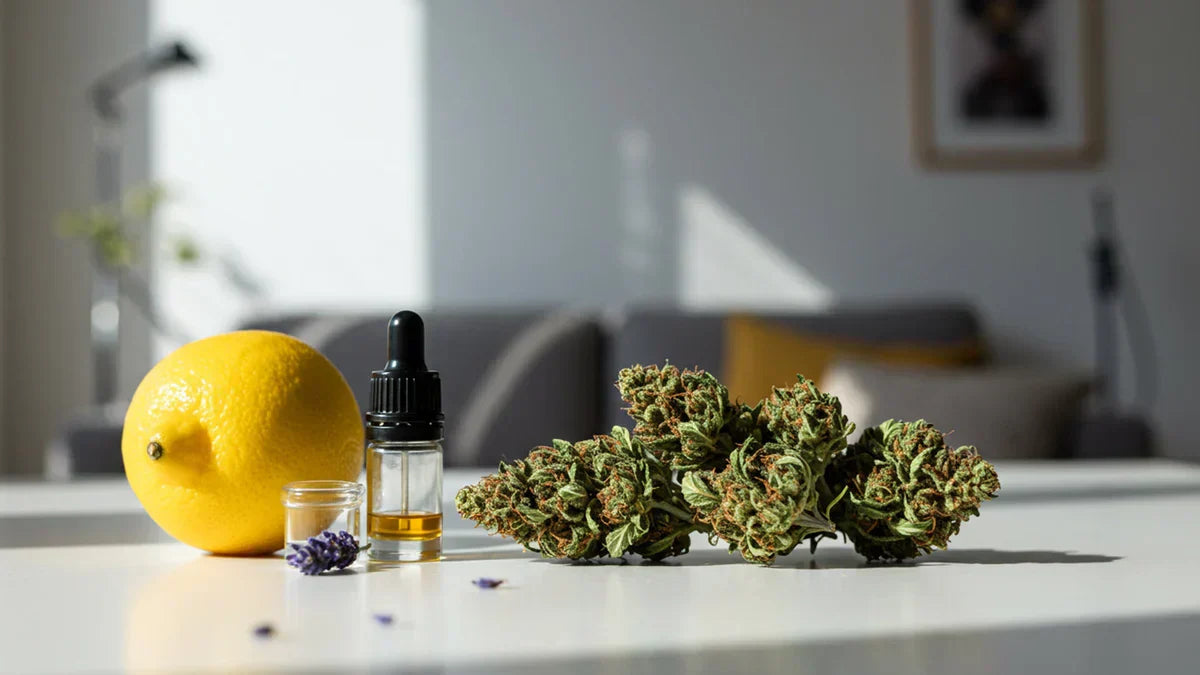
Table of Content:
- What Do Terpenes Do?
- Terpenes and the Entourage Effect
- Aroma Profiles Explained
- Effects: Relaxing vs Energizing
- Why EU consumers care about terpene science
European market grows more interested in plant-based wellness and aromatic products; one class of compounds is gaining significant attention: terpenes. These naturally occurring molecules are responsible for the distinctive scents and flavors found in herbs, fruits, flowers, and legally compliant cannabis or hemp varieties. For many consumers, understanding the science behind terpenes helps explain why different products offer unique sensory profiles and experiences.
This guide breaks down the basics of terpene effects, what modern terpene science EU research shows, and how terpenes contribute to the natural cannabis aroma familiar to many consumers across Europe.
What Are Terpenes? A Quick Introduction
Terpenes are aromatic compounds produced by plants to attract pollinators, defend against pests, and communicate with their environment. In consumer products—such as aromatherapy blends, botanical extracts, and cannabis-inspired formulations—terpenes help shape:
- Aroma
- Flavor
- Sensory experience
- Perceived mood or ambiance
Their influence is especially clear in products designed to capture a natural cannabis aroma, even when no controlled substances are present.
Terpenes and Aroma: Why Scents Differ Between Products
When you smell citrus, pine, lavender, or earthy hemp, you’re experiencing the work of terpenes. Different terpene combinations create recognisable aroma categories such as:
- Citrus – limonene
- Woody/Earthy – caryophyllene
- Floral – linalool
- Herbal – terpinolene
Each terpene has a distinct aromatic fingerprint. That’s why two plants—or two cannabis-inspired products can smell dramatically different even when they look similar.
Modern terpene science EU research focuses heavily on understanding how aroma molecules interact with our senses and influence consumer preference.
Flavor: How Terpenes Shape Taste Profiles
Terpenes do more than produce scent—they also influence taste. When combined with other botanical components, they help create complex flavor experiences, including:
- Sweet
- Spicy
- Herbal
- Fruity
- Earthy
This is essential for industries such as beverages, aromatherapy, botanical extracts, and legally compliant cannabis-flavored products that aim to deliver natural, authentic sensory experiences.
Understanding Terpene Effects
While terpenes are not psychoactive, many consumers associate them with different mood-related or sensory effects in everyday products. These effects are subtle, sensory-driven, and rooted in aroma perception rather than intoxication.
Examples include:
- Limonene: Often described as bright or uplifting due to its citrus scent
- Linalool: Frequently linked to calming, floral aromatics
- Pinene: Known for fresh, pine-like notes that can feel mentally crisp
- Myrcene: Earthy and musky, commonly associated with grounding aromas
These descriptors reflect how scents influence sensory perception—not medical or therapeutic outcomes.
The Entourage Effect in Europe: What Consumers Should Know
In botanical science, the entourage effect describes how multiple aromatic compounds may interact to shape the overall sensory profile and user experience of a plant extract. In Europe, the term is widely used to discuss how terpenes work together to:
- Enhance aroma depth
- Improve flavor complexity
- Create more balanced, enjoyable sensory profiles
For consumers, the entourage effect in Europe is primarily about appreciating the full, layered character of natural plant-based products rather than focusing on pharmacological claims.
Why Natural Cannabis Aroma Is So Complex
The distinctive natural cannabis aroma is produced by a diverse group of terpenes and related compounds working together. This aroma can range from citrusy to earthy, sweet to herbal, depending on the terpene profile.
Many European brands now craft terpene blends inspired by these natural aromatic structures to meet growing consumer interest while remaining fully compliant with EU regulations.
What European Consumers Can Expect in the Future
Interest in terpene education is rapidly expanding across Europe. As scientific understanding grows, consumers can expect:
- More refined botanical products
- Greater transparency from manufacturers
- Clearer labeling of terpene profiles
- Enhanced natural flavor and aroma options
Thanks to advances in terpene science EU, the continent is leading the way in developing safe, high-quality, plant-inspired formulations for wellness, lifestyle, and sensory applications.

What Do Terpenes Do?
Terpenes are some of the most fascinating compounds in the plant world, influencing aroma, flavor, and sensory experiences across a wide range of botanical products. For European consumers, understanding what terpenes do helps explain why certain products smell, taste, and feel unique. From the bright citrus notes of limonene to the calming floral aroma of linalool, terpenes are essential in shaping the experience of natural plant-based formulations, including legally compliant cannabis-inspired products.
This article explores terpene effects, insights from terpene science EU, the entourage effect Europe, and how these compounds contribute to natural cannabis aroma.
What Are Terpenes?
Terpenes are naturally occurring aromatic molecules produced by plants. They serve several purposes in nature, including:
- Attracting pollinators
- Protecting against pests
- Signaling environmental changes
For consumers, terpenes primarily influence:
- Aroma – The scent you perceive when smelling flowers, herbs, or cannabis-inspired products.
- Flavor – The taste sensations that complement aroma.
- Sensory effects – Subtle mood or perception influences from scent and flavor.
Terpene Effects: How Scents Influence Perception
While terpenes are not psychoactive, many people notice the psychological and sensory impact of their aroma. Common terpene effects include:
- Limonene – Bright, uplifting, and citrusy
- Linalool – Floral, calming, and soothing
- Pinene – Fresh, piney, and mentally invigorating
- Myrcene – Earthy, musky, and grounding
These effects are largely due to olfactory stimulation and the brain’s response to complex aroma compounds.
Terpene Science in Europe: What Research Shows
Modern terpene science EU focuses on understanding how terpenes interact with other plant compounds, how they influence aroma and flavor, and how to safely integrate them into consumer products. Key findings include:
- Terpene profiles vary by plant strain and extraction method
- High-purity terpenes maintain more consistent aroma and flavor
- Terpenes interact synergistically with other botanical compounds
These studies are shaping European manufacturing standards and enhancing consumer awareness.
The Entourage Effect Europe: Synergy in Aromatics
The entourage effect Europe concept refers to how multiple plant compounds—especially terpenes work together to create a more complex and enjoyable sensory profile. In practical terms, this means:
- Layered aromas that are richer than individual compounds alone
- Balanced flavor profiles that replicate natural plant complexity
- Enhanced perception of product quality
European brands increasingly use terpene blends to replicate these effects safely, delivering authentic natural cannabis aroma without regulated cannabinoids.
Natural Cannabis Aroma: What Terpenes Bring to the Table
The characteristic natural cannabis aroma comes from the combined action of dozens of terpenes. Depending on the terpene profile, aromas can range from:
- Citrus and fruity
- Herbal and floral
- Woody, earthy, or spicy
By studying terpene science in Europe, manufacturers can craft compliant botanical products that deliver this aroma safely and consistently, appealing to consumers seeking natural, authentic experiences.
Key Takeaways: What Terpenes Do
- Shape Aroma & Flavor – Terpenes are the primary drivers of scent and taste in botanical products.
- Influence Sensory Experience – Subtle effects on perception and mood enhance consumer enjoyment.
- Work Synergistically – The entourage effect Europe highlights how terpenes interact to create richer, more complex profiles.
- Support Natural Aroma Replication – Terpene blends can mimic the distinctive scents of plants, including natural cannabis aroma, while remaining fully compliant.
Understanding what terpenes do allows European consumers and manufacturers alike to appreciate the science behind aroma, flavor, and the overall sensory experience.

Terpenes and the Entourage Effect
Terpenes are among the most fascinating compounds in the plant world. These aromatic molecules do more than provide scent—they influence flavor, perception, and the subtle terpene effects that contribute to the overall sensory experience of botanical products. In Europe, growing consumer interest and research into terpene science EU has highlighted the importance of the entourage effect Europe, helping explain why natural plant aromas, including natural cannabis aroma, are so rich and complex.
This article explores how terpenes work together to create layered flavors, authentic aromas, and enhanced sensory experiences for European consumers.
What Are Terpenes?
Terpenes are naturally occurring compounds produced by plants. They serve essential functions in nature, such as:
- Attracting pollinators
- Protecting against pests
- Communicating with other plants
For consumers, terpenes contribute to:
- Distinctive aroma
- Flavor complexity
- Sensory perception and subtle effects
For example, natural cannabis aroma is largely defined by its unique terpene composition.
Understanding Terpene Effects
Terpenes are associated with a variety of sensory and perceptual effects. While non-psychoactive, these compounds can influence mood and experience through aroma and flavor. Common terpene effects include:
- Limonene – Bright, citrusy, uplifting
- Linalool – Floral, calming, soothing
- Pinene – Fresh, pine-like, mentally invigorating
- Myrcene – Earthy, musky, grounding
These effects are subtle but contribute significantly to consumer enjoyment and product differentiation.
The Science Behind Terpenes in Europe
Terpene science EU research focuses on understanding how terpenes behave individually and in combination, and how they contribute to aroma and flavor profiles. Key insights include:
- Terpene composition varies by plant type and extraction method
- High-purity terpenes provide more consistent sensory experiences
- Terpenes can interact synergistically to enhance overall aroma and taste
These findings are helping European manufacturers create compliant, high-quality botanical products with authentic flavors and scents.
The Entourage Effect Europe Explained
The entourage effect Europe refers to the synergy that occurs when multiple terpenes and related compounds interact within a plant matrix. In practical terms, this means:
- Aromas are more complex and layered than individual terpenes alone
- Flavors feel more balanced and nuanced
- Sensory perception is enhanced, creating a richer user experience
For products inspired by cannabis or hemp, this effect allows manufacturers to replicate natural cannabis aroma safely and legally, without relying on controlled substances.
How Terpenes Enhance Aroma and Flavor
Terpenes influence the perception of botanical products in two key ways:
- Aroma – Terpenes are responsible for the recognizable scent of plants, from citrus and floral to earthy and herbal notes.
- Flavor – When combined with other plant compounds, terpenes create nuanced taste profiles that appeal to consumers looking for natural and authentic experiences.
Layered terpene profiles, inspired by the entourage effect, provide richer sensory experiences than isolated compounds alone.
Practical Implications for European Consumers
Understanding the role of terpenes and the entourage effect allows European consumers to make informed choices:
- Choose products with high-quality, natural terpene profiles
- Appreciate the complexity of flavors and aromas in botanical formulations
- Recognize how subtle terpene effects enhance sensory enjoyment
Manufacturers who leverage terpene science EU and entourage-inspired formulations can deliver more authentic, satisfying experiences that resonate with European audiences.
Aroma Profiles Explained
Aroma is one of the most immediate and recognizable aspects of plant-based products, from herbs and flowers to cannabis-inspired formulations. At the heart of these scents are terpenes aromatic compounds that influence both flavor and subtle terpene effects. In Europe, research into terpene science EU and the entourage effect Europe has helped consumers and manufacturers better understand how different aroma profiles are created and how they contribute to the overall sensory experience.
This article breaks down aroma profiles, their underlying terpenes, and how natural cannabis aroma is achieved in compliant European products.
What Are Aroma Profiles?
An aroma profile is the characteristic scent of a plant or product, shaped by the combination of terpenes and other volatile compounds. Each profile has unique notes that can be:
- Citrus and Fruity – Bright, sweet, and uplifting
- Earthy and Woody – Warm, grounding, and complex
- Herbal and Spicy – Fresh, invigorating, and aromatic
- Floral – Soft, calming, and fragrant
These profiles help consumers distinguish one product from another and influence how they perceive flavor and overall experience.
Terpene Effects and Aroma Perception
Terpenes not only define aroma—they subtly impact how we experience products. Known as terpene effects, these influences are mostly sensory, shaping perception, mood, and enjoyment.
Some commonly recognized terpene effects include:
- Limonene – Uplifting, citrusy, bright
- Linalool – Floral, calming, soothing
- Pinene – Fresh, pine-like, energizing
- Myrcene – Earthy, musky, grounding
These effects highlight how aroma can impact consumer experience beyond just scent, creating a richer and more engaging interaction with the product.
Terpene Science EU: How Aroma is Studied
Modern terpene science EU focuses on identifying, analyzing, and classifying terpenes to understand how they influence aroma, flavor, and sensory experience. Key insights include:
- Terpene composition varies by plant type, extraction method, and processing
- High-purity terpenes produce more consistent aroma profiles
- Terpene interactions can amplify or balance certain scent notes
These findings are helping European brands develop products with predictable, high-quality aroma profiles that appeal to discerning consumers.
The Entourage Effect Europe: Synergy in Aroma
The entourage effect Europe refers to the synergistic interaction between multiple terpenes and other plant compounds. This synergy enhances aroma complexity, creating richer and more layered scent profiles than individual terpenes alone.
Benefits of considering the entourage effect include:
- More authentic natural cannabis aroma
- Balanced and nuanced flavors
- Stronger consumer recognition and appeal
By leveraging this effect, European manufacturers can craft products that deliver a full-spectrum aromatic experience without relying on controlled substances.
Natural Cannabis Aroma: What Makes It Unique
The distinctive natural cannabis aroma is a result of a diverse combination of terpenes such as myrcene, pinene, limonene, and caryophyllene. These compounds work together to create:
- Citrus, earthy, woody, or herbal notes
- Layered, multidimensional aroma
- Signature scent recognizable across compliant botanical products
Through careful terpene selection and formulation, European brands can replicate these aromas safely and legally, providing consumers with a familiar and enjoyable sensory experience.
Practical Tips for Understanding Aroma Profiles
For consumers and enthusiasts in Europe:
- Recognize scent categories – Fruity, earthy, floral, herbal
- Note subtle effects – Different terpenes influence perception and mood
- Look for quality and transparency – High-purity terpenes ensure consistent aroma
- Consider terpene synergy – The entourage effect enhances complexity and authenticity
Understanding aroma profiles allows consumers to select products with scents that match their preferences and expectations.

Effects: Relaxing vs Energizing
Terpenes are naturally occurring aromatic compounds found in plants, including legally compliant cannabis and hemp varieties. They are responsible for the distinctive natural cannabis aroma, influence flavor, and contribute to subtle terpene effects that affect how we perceive scent and mood. Across Europe, research in terpene science EU and the concept of the entourage effect Europe is helping consumers and manufacturers understand how different terpenes can create relaxing or energizing experiences.
This guide explains the differences between relaxing and energizing terpenes and how these effects influence aroma, flavor, and perception in European botanical products.
Understanding Terpene Effects
Terpenes are not psychoactive, but their aromatic and flavor profiles can influence perception and mood. Terpene effects are typically categorized into two broad types:
- Relaxing Terpenes – Promote calm, soothing, and grounding sensory experiences
- Energizing Terpenes – Provide uplifting, refreshing, and stimulating effects
These effects are mostly sensory-driven, influenced by aroma and flavor, rather than pharmacological action.
Relaxing Terpenes: Calm and Soothing Profiles
Relaxing terpenes are often associated with floral, herbal, and earthy aromas. Common examples include:
- Linalool – Floral, lavender-like, calming
- Myrcene – Earthy and musky, known for grounding effects
- Humulene – Woody and herbal, provides subtle sensory calm
Aroma & Flavor Notes: Soft floral, herbal, and earthy tones contribute to a more mellow experience.
European Consumer Insight: Products featuring these terpenes are often marketed as soothing or relaxing, aligning with wellness and aromatherapy trends.
Energizing Terpenes: Bright and Invigorating Profiles
Energizing terpenes are typically bright, citrusy, or piney. Key examples include:
- Limonene – Citrus, uplifting, promotes alertness
- Pinene – Fresh pine aroma, mentally invigorating
- Terpinolene – Sweet, herbal, and slightly spicy, providing a lively sensory effect
Aroma & Flavor Notes: Citrus, fresh herbal, and slightly sweet aromas create a lively and stimulating sensory profile.
European Consumer Insight: These terpenes are ideal for daytime use, or for consumers seeking a more vibrant, refreshing experience.
The Role of the Entourage Effect Europe
The entourage effect Europe describes how multiple terpenes work together to create a more complex, balanced aroma and flavor. Rather than a single terpene determining the effect, it is the combination of terpenes that shapes the overall experience:
- Relaxing blends combine linalool, myrcene, and humulene for a soothing, floral-earthy profile
- Energizing blends combine limonene, pinene, and terpinolene for a bright, citrus-herbal effect
This synergy is key to recreating authentic natural cannabis aroma while delivering predictable sensory outcomes.
Terpene Science EU: Research-Backed Insights
Research in terpene science EU highlights:
- Terpene composition varies by plant strain, extraction method, and processing
- High-purity terpenes maintain consistent aroma and predictable effects
- Blended terpene profiles can enhance either relaxing or energizing experiences
European brands increasingly leverage these insights to craft compliant, high-quality products that appeal to diverse consumer preferences.
Choosing Between Relaxing and Energizing Terpenes
Consumers can select products based on desired sensory outcomes:
- Relaxing: Ideal for evening or calming experiences; favors floral, herbal, and earthy notes
- Energizing: Ideal for daytime or uplifting experiences; favors citrus, pine, and sweet herbal notes
By understanding terpene effects and aroma profiles, consumers can make more informed choices when exploring botanical and cannabis-inspired products in Europe.
Why EU consumers care about terpene science
In recent years, European consumers have become increasingly curious about the compounds that shape the aroma, flavor, and sensory experience of plant-based products. Among these compounds, terpenes stand out as one of the most influential. Responsible for the natural cannabis aroma and a wide range of sensory outcomes, terpenes are now at the forefront of botanical product education and innovation. Understanding terpene science EU helps consumers make informed decisions, appreciate subtle terpene effects, and recognize the value of the entourage effect Europe in modern formulations.
What Are Terpenes and Why They Matter
Terpenes are aromatic molecules produced by plants. They serve several natural functions, including:
- Protecting plants from pests
- Attracting pollinators
- Signaling environmental changes
For consumers, terpenes are most notable for their impact on:
- Aroma: From citrusy and floral to earthy and herbal
- Flavor: Complementing taste profiles in botanical products
- Sensory perception: Influencing mood and perceived effects
These characteristics make terpenes essential for creating authentic natural cannabis aroma and enjoyable plant-based experiences.
Terpene Effects: What Consumers Experience
Terpene effects are subtle, non-psychoactive sensory responses triggered by aroma and flavor. Common examples include:
- Limonene: Bright, uplifting, citrus-forward
- Linalool: Floral, calming, soothing
- Pinene: Fresh, pine-like, mentally invigorating
- Myrcene: Earthy, musky, grounding
European consumers increasingly recognize that these effects contribute to the overall enjoyment and wellness-oriented appeal of botanical products.
The Entourage Effect Europe: Synergy Matters
The entourage effect Europe describes how multiple terpenes and other plant compounds interact synergistically to enhance aroma, flavor, and overall sensory experience. This concept is important for EU consumers because:
- It explains why products with complex terpene profiles feel more balanced and authentic
- It ensures natural cannabis aroma can be safely recreated in compliant botanical products
- It highlights the value of high-quality, blended formulations over single-compound extracts
By understanding the entourage effect, consumers can select products that deliver richer, more enjoyable sensory experiences.
Terpene Science EU: Ensuring Quality and Transparency
European research into terpene science EU focuses on safety, consistency, and authenticity. Key findings include:
- Terpene composition varies by plant strain and extraction method
- High-purity terpenes provide consistent aroma and flavor
- Blended terpene profiles can be designed to deliver targeted terpene effects
EU consumers benefit from this research by gaining access to products that are safer, more predictable, and transparently labeled.
Why Consumers Care About Terpene Science
European consumers increasingly prioritize terpene science because it impacts:
- Authenticity: High-quality terpenes replicate genuine natural cannabis aroma
- Experience: Blended terpenes and the entourage effect enhance sensory enjoyment
- Transparency: Scientific research ensures purity, safety, and consistency
- Choice: Knowledge of terpene effects allows consumers to select relaxing, energizing, or balanced profiles
Understanding the science behind terpenes empowers consumers to make informed decisions and appreciate the nuances of modern botanical products.


