

Table of Contents:
1. Introduction to Botanical Terpene Blends
2. Why D-Limonene Is a Key Blend Component
3. Aroma Enhancement and Performance Benefits
4. Applications in Aromatic and Consumer Products
5. Formulation Strategies for Terpene Blends
6. Quality, Consistency and Sourcing Considerations
7. Future Trends in Botanical Terpene Formulation
In recent years, botanical terpene blends have gained significant attention across industries such as aromatherapy, wellness, cannabis, vaping, cosmetics, and food flavoring. These natural aromatic compounds are extracted from plants and carefully combined to create unique scent and flavor profiles that mimic nature’s most recognizable aromas.
Terpenes are organic compounds found in a wide variety of plants, fruits, herbs, flowers, and trees. They are responsible for the distinctive scents of lavender, citrus fruits, pine forests, and countless other botanicals. When multiple terpenes are combined in specific ratios, they form botanical terpene blends, delivering enhanced aromatic experiences and functional benefits.
1) Introduction to Botanical Terpene Blends

Terpenes are naturally occurring hydrocarbons produced by plants as part of their defense and survival mechanisms. These compounds attract pollinators, repel predators, and protect plants from environmental stress.
Some of the most common terpenes include:
- D-Limonene – Found in citrus fruits, known for its uplifting aroma.
- Myrcene – Common in mangoes and hops, recognized for its earthy scent.
- Pinene – Present in pine trees, offering a fresh forest-like aroma.
- Linalool – Found in lavender, valued for its floral fragrance.
- Caryophyllene – Found in black pepper and cloves, known for its spicy notes.
By combining these compounds, manufacturers create customized botanical terpene blends that replicate specific plant profiles or generate entirely new aromatic experiences.
Benefits of Botanical Terpene Blends
1. Natural Aroma Enhancement
One of the primary advantages of botanical terpene blends is their ability to provide authentic, plant-derived aromas. Unlike synthetic fragrances, botanical terpenes offer a more natural and complex scent profile.
2. Versatile Applications
Botanical terpene blends are widely used in:
- Aromatherapy products
- Vape formulations
- Cannabis terpene enhancement
- Food and beverage flavoring
- Cosmetic and skincare products
- Natural fragrances
Their versatility makes them a valuable ingredient across multiple industries.
3. Consistent Flavor and Scent Profiles
High-quality terpene blends allow manufacturers to achieve consistent flavor and aroma profiles in their products. This consistency is especially important for brands seeking reliable product performance and customer satisfaction.
4. Custom Formulation Opportunities
Companies can develop customized botanical terpene profiles tailored to specific consumer preferences. Whether aiming for a fruity, floral, earthy, or citrus-forward experience, terpene combinations offer virtually unlimited possibilities.
Popular Types of Botanical Terpene Blends
Citrus Terpene Blends
Featuring high concentrations of limonene, these blends deliver bright, refreshing, and energetic aromas often associated with oranges, lemons, and grapefruits.
Pine and Forest Blends
Rich in alpha-pinene and beta-pinene, these blends create crisp, woody, and outdoor-inspired fragrance profiles.
Floral Terpene Blends
Containing compounds such as linalool and geraniol, floral blends provide soft, calming, and elegant aromatic experiences.
Tropical Fruit Blends
These terpene formulations combine fruity compounds to replicate the aromas of mango, pineapple, passion fruit, and other tropical fruits.
How Botanical Terpenes Are Extracted
Most botanical terpenes are extracted using advanced methods such as:
- Steam Distillation
- Cold Press Extraction
- Fractional Distillation
- Supercritical CO₂ Extraction
These techniques help preserve the integrity, purity, and potency of the terpene compounds while maintaining their natural characteristics.
Choosing High-Quality Botanical Terpene Blends
When selecting botanical terpene blends, consider the following factors:
- Source transparency
- Third-party laboratory testing
- Purity standards
- Natural plant-derived ingredients
- Consistent terpene profiles
- Regulatory compliance
Working with reputable suppliers ensures product safety, quality, and performance.
The Growing Market for Botanical Terpenes
As consumer demand for natural ingredients continues to rise, the global market for botanical terpenes and terpene blends is experiencing substantial growth. Industries focused on wellness, natural flavoring, and premium aromatic products increasingly rely on these plant-derived compounds to create distinctive and appealing products.
2) Why D-Limonene Is a Key Blend Component

Among the many naturally occurring terpenes found in plants, D-Limonene stands out as one of the most valuable and widely used compounds in modern botanical terpene blends. Known for its vibrant citrus aroma and versatile functionality, D-Limonene plays a crucial role in industries ranging from aromatherapy and natural fragrances to food flavoring, wellness products, and terpene formulations.
As consumer demand for natural ingredients continues to grow, manufacturers increasingly rely on D-Limonene to enhance the quality, aroma, and performance of their products. But what makes this terpene such an essential component? Let's explore why D-Limonene remains a cornerstone of premium botanical terpene blends.
What Is D-Limonene?
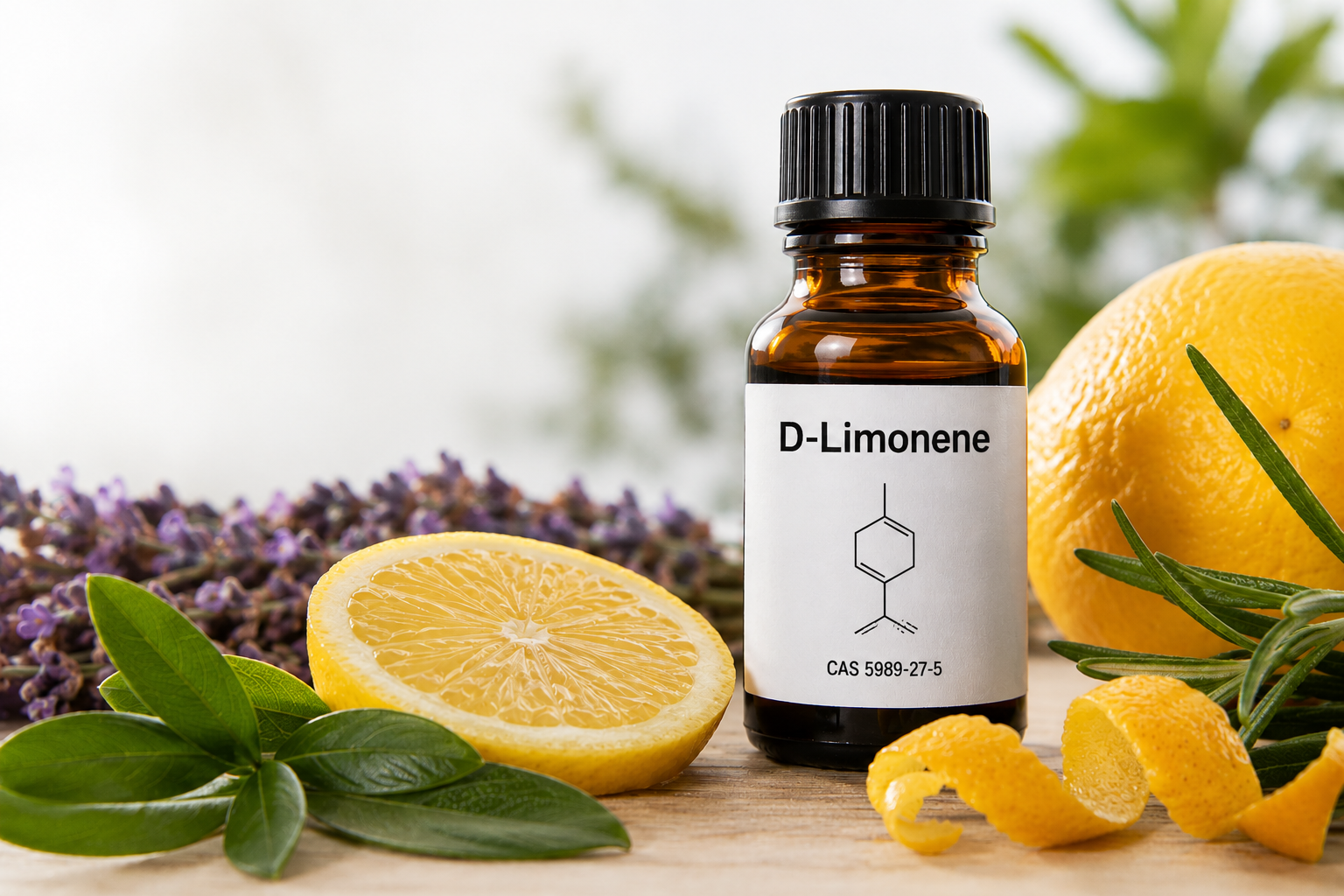
D-Limonene is a naturally occurring monoterpene found primarily in the peels of citrus fruits such as oranges, lemons, limes, and grapefruits. It is responsible for the fresh, sweet, and uplifting scent commonly associated with citrus fruits.
As one of the most abundant plant-derived terpenes, D-Limonene is extracted from natural botanical sources and incorporated into a wide range of terpene blends to create bright and refreshing aroma profiles.
Why D-Limonene Is Essential in Botanical Terpene Blends
1. Provides a Fresh Citrus Aroma
One of the primary reasons D-Limonene is included in botanical terpene blends is its unmistakable citrus fragrance. The compound delivers:
- Bright lemon notes
- Sweet orange undertones
- Clean and refreshing aromas
- Enhanced sensory appeal
These characteristics make D-Limonene terpene blends highly desirable for products that aim to create an energizing and refreshing experience.
2. Enhances Flavor Profiles
Beyond its aromatic properties, D-Limonene significantly improves flavor formulations. It is commonly used in:
- Food flavoring applications
- Beverage formulations
- Natural flavor enhancers
- Botanical extracts
- Terpene-infused products
Its citrus-forward taste helps create balanced and appealing flavor experiences that consumers recognize and enjoy.
3. Supports the Entourage Effect
In advanced terpene formulations, D-Limonene works synergistically with other botanical terpenes such as:
- Myrcene
- Linalool
- Pinene
- Caryophyllene
Together, these compounds contribute to the overall aromatic profile and enhance the effectiveness of customized botanical terpene blends.
4. Highly Versatile Across Industries
The versatility of D-Limonene makes it one of the most widely used natural terpenes in commercial applications.
Common industries utilizing D-Limonene include:
- Aromatherapy
- Cannabis terpene enhancement
- Vape formulations
- Cosmetics and skincare
- Natural cleaning products
- Food and beverage manufacturing
- Fragrance development
Its broad applicability makes it an indispensable ingredient for product developers.
Benefits of Using D-Limonene Terpene Blends
Natural and Plant-Derived
Consumers increasingly seek products made with natural ingredients. Since D-Limonene is extracted from citrus peels and other botanical sources, it aligns perfectly with clean-label and plant-based product trends.
Pleasant Consumer Appeal
The fresh citrus scent of D-Limonene is universally recognized and appreciated. Products containing citrus terpene blends often enjoy higher consumer acceptance due to their familiar and uplifting aroma.
Excellent Blending Compatibility
D-Limonene pairs exceptionally well with floral, fruity, earthy, herbal, and woody terpenes, making it a highly adaptable ingredient in custom botanical terpene formulations.
Common Applications of D-Limonene
Aromatherapy Products
Many aromatherapy blends utilize D-Limonene to create refreshing and mood-enhancing aromatic experiences.
Natural Fragrances
Because of its bright citrus scent, D-Limonene is a popular ingredient in natural fragrance formulations, perfumes, candles, and home scent products.
Cannabis Terpene Profiles
In the cannabis industry, D-Limonene terpene profiles are often associated with citrus-forward strains and are frequently used to recreate authentic botanical aromas.
Food and Beverage Flavoring
Manufacturers use D-Limonene to enhance citrus flavors in beverages, candies, baked goods, and nutritional products.
How to Choose High-Quality D-Limonene
When sourcing D-Limonene for botanical terpene blends, look for:
- 100% plant-derived terpenes
- Third-party lab testing
- High purity standards
- Consistent terpene composition
- Sustainable sourcing practices
- Regulatory compliance certifications
High-quality sourcing ensures optimal aroma, flavor, and performance.
The Future of D-Limonene in Botanical Terpene Innovation
As the demand for natural terpenes, clean-label ingredients, and botanical extracts continues to expand, D-Limonene is expected to remain a key ingredient in next-generation terpene blends. Its unique combination of aroma, versatility, and natural origin makes it one of the most important compounds in modern botanical formulations.
3) Aroma Enhancement and Performance Benefits

In today’s competitive product market, aroma enhancement plays a major role in how consumers experience and remember a product. Whether used in botanical terpene blends, natural fragrances, vape formulations, aromatherapy products, cosmetics, or flavor applications, the right aromatic profile can improve product appeal, consistency, and overall performance.
Botanical terpenes are natural aromatic compounds found in plants, fruits, herbs, flowers, and trees. When carefully formulated, these compounds create powerful terpene blends that enhance scent, improve flavor balance, and support a more refined sensory experience.
What Is Aroma Enhancement?
Aroma enhancement refers to the process of improving, strengthening, or balancing the scent profile of a product. In terpene formulations, this often means using specific plant-derived terpenes to create a more attractive, recognizable, and high-performing aroma.
For example, D-Limonene adds bright citrus notes, Linalool contributes soft floral tones, Pinene delivers a fresh pine-like scent, and Myrcene provides earthy depth. Together, these natural terpenes help create complex and memorable aromatic profiles.
Why Botanical Terpene Blends Improve Aroma Performance
1. Stronger and More Defined Scent Profiles
One of the biggest benefits of botanical terpene blends is their ability to create clear, recognizable aromas. Instead of relying on a single scent note, a blend combines multiple terpenes to produce a richer and more balanced fragrance.
This makes aroma enhancement especially valuable for brands that want their products to stand out in crowded markets.
2. Better Flavor and Sensory Appeal
Many terpene blends are used not only for scent but also for flavor development. In food flavoring, beverage formulations, and vape products, terpenes help build smoother, more natural, and more enjoyable flavor experiences.
The right botanical terpene profile can add sweetness, freshness, herbal depth, citrus brightness, or earthy complexity.
3. Improved Product Consistency
Consistency is critical in commercial production. High-quality terpene formulations help brands maintain the same aroma and flavor profile across every batch.
This is especially important for:
- Natural fragrance products
- Aromatherapy blends
- Cannabis terpene profiles
- Vape formulations
- Cosmetic products
- Flavor enhancement applications
Reliable botanical terpenes allow manufacturers to deliver a consistent consumer experience.
4. Enhanced Consumer Experience
Consumers often connect scent with emotion, memory, and product satisfaction. A well-designed aroma profile can make a product feel fresher, more premium, more relaxing, or more energizing.
This is why aroma enhancement is a key factor in product development for wellness, fragrance, beauty, and flavor industries.
Performance Benefits of Terpene Blends
Higher Formulation Flexibility
Botanical terpene blends give formulators more control over the final aroma and flavor. By adjusting the ratio of compounds like D-Limonene, Linalool, Myrcene, Pinene, and Caryophyllene, brands can create customized sensory profiles.
Natural Ingredient Appeal
Modern consumers increasingly prefer natural ingredients, plant-derived terpenes, and clean-label formulations. Using botanical terpenes helps brands align with this growing demand.
Better Product Differentiation
A signature terpene blend can help a product stand out from competitors. Unique aroma profiles can become part of a brand’s identity and improve customer recognition.
Support for Premium Product Positioning
Products formulated with high-quality natural terpenes often feel more refined and premium. This can increase perceived value and improve customer satisfaction.
Common Terpenes Used for Aroma Enhancement
D-Limonene
Known for its bright citrus aroma, D-Limonene is commonly used in citrus terpene blends, natural fragrances, cleaning products, and flavor applications.
Linalool
Linalool provides a soft floral scent often associated with lavender. It is popular in aromatherapy products, skincare, and calming fragrance profiles.
Pinene
Pinene delivers a crisp pine aroma and is frequently used in fresh, herbal, and forest-inspired botanical terpene blends.
Myrcene
Myrcene offers earthy, musky, and herbal notes that add depth and balance to terpene formulations.
Caryophyllene
Caryophyllene contributes warm, spicy notes and is useful in complex fragrance and flavor profiles.
Industries That Benefit from Aroma Enhancement
Aroma enhancement and terpene blends are used across many industries, including:
- Aromatherapy
- Natural fragrance manufacturing
- Vape formulation
- Cannabis terpene enhancement
- Cosmetics and skincare
- Food and beverage flavoring
- Wellness products
- Home fragrance products
Each industry uses botanical terpenes to improve product appeal, sensory quality, and market performance.
Choosing High-Quality Botanical Terpenes
To achieve the best performance benefits, brands should choose botanical terpene blends that are:
- Plant-derived
- High purity
- Consistently formulated
- Third-party tested
- Free from unwanted contaminants
- Suitable for the intended application
- Compliant with relevant industry standards
Quality sourcing is essential for safe, effective, and reliable aroma enhancement.
4) Applications in Aromatic and Consumer Products

The demand for natural ingredients, authentic aromas, and premium sensory experiences has transformed the consumer products industry. At the center of this innovation are botanical terpene blends, which are increasingly used to improve the scent, flavor, and overall performance of a wide range of aromatic products and consumer goods.
Derived from plants, fruits, herbs, and flowers, botanical terpenes provide naturally occurring aromatic compounds that help manufacturers create distinctive and memorable products. From natural fragrances and aromatherapy products to vape formulations, cosmetics, and food flavoring, the applications of terpene blends continue to expand across global markets.
Applications of Botanical Terpene Blends in Consumer Products
1. Aromatherapy Products
One of the most common uses of botanical terpenes is in aromatherapy.
Different terpene blends are formulated to create specific aromatic experiences:
- Citrus-focused blends featuring D-Limonene
- Floral blends containing Linalool
- Forest-inspired profiles rich in Pinene
- Herbal and earthy blends utilizing Myrcene
These formulations help create distinctive aromatic environments that consumers enjoy.
2. Natural Fragrances and Perfumes
The fragrance industry increasingly utilizes botanical terpene blends as alternatives to synthetic fragrance ingredients.
Benefits include:
- Authentic scent profiles
- Plant-derived ingredients
- Greater fragrance complexity
- Enhanced product differentiation
Many premium natural fragrances rely on carefully balanced terpene formulations to achieve unique aromatic signatures.
3. Cosmetics and Personal Care Products
Botanical terpenes are widely used in:
- Skincare products
- Hair care products
- Body lotions
- Bath products
- Facial mists
- Beauty formulations
These ingredients help improve product aroma while supporting a clean-label and natural ingredient positioning.
4. Vape Formulations
In the vaping industry, terpene blends play a major role in flavor and aroma development.
Manufacturers use botanical terpene profiles to:
- Enhance flavor experiences
- Recreate botanical aromas
- Improve product consistency
- Differentiate product lines
High-quality plant-derived terpenes have become essential ingredients in premium vape formulations.
5. Cannabis Terpene Enhancement
The cannabis industry frequently uses botanical terpene blends to enhance or recreate specific aromatic profiles.
Popular cannabis terpene profiles often feature:
- D-Limonene for citrus notes
- Myrcene for earthy aromas
- Pinene for fresh pine characteristics
- Caryophyllene for spicy undertones
These compounds contribute significantly to aroma and flavor customization.
6. Food and Beverage Flavoring
Many manufacturers incorporate food-grade terpenes into products to improve flavor complexity and consumer appeal.
Applications include:
- Beverages
- Functional drinks
- Candies
- Baked goods
- Nutritional products
- Flavor concentrates
Botanical terpene blends help create authentic fruit, citrus, herbal, and botanical flavor profiles.
7. Home Fragrance Products
The home fragrance market extensively utilizes terpene formulations in products such as:
- Candles
- Reed diffusers
- Room sprays
- Air fresheners
- Wax melts
- Scented oils
The natural aromatic qualities of botanical terpenes help create premium sensory experiences within homes and commercial spaces.
Performance Benefits of Botanical Terpenes
Enhanced Aroma Profiles
Botanical terpene blends create more complex, balanced, and appealing aromas compared to single-note formulations.
Product Consistency
Standardized terpene formulations help manufacturers maintain consistent aroma and flavor profiles across production batches.
Natural Ingredient Appeal
Consumers increasingly seek products made with natural ingredients, plant-derived terpenes, and clean-label formulations.
Brand Differentiation
Custom terpene blends help brands create signature aromas that strengthen product identity and consumer recognition.
Greater Consumer Satisfaction
Products with enhanced aroma and flavor profiles often achieve higher customer satisfaction and repeat purchases.
Why Manufacturers Choose Botanical Terpene Blends
Businesses across multiple industries prefer botanical terpene blends because they offer:
- Natural aroma enhancement
- Flavor optimization
- Consistent performance
- Flexible formulation options
- Premium sensory experiences
- Clean-label positioning
- Broad application versatility
These advantages make terpenes one of the most valuable ingredients in modern consumer product development.
The Future of Botanical Terpenes in Consumer Products
As global demand for natural fragrances, aromatherapy products, clean-label ingredients, and plant-based formulations continues to grow, the use of botanical terpene blends is expected to expand significantly.
Manufacturers are increasingly investing in advanced terpene formulations to create innovative products that deliver superior aroma, flavor, and sensory performance while meeting consumer preferences for natural ingredients.
5) Formulation Strategies for Terpene Blends

The growing demand for botanical terpene blends, natural fragrances, plant-derived ingredients, and premium sensory products has made terpene formulation a critical area of product development. Whether creating products for aromatherapy, vape formulations, cannabis terpene enhancement, food flavoring, or consumer goods, successful terpene blend formulation requires a strategic approach.
High-quality terpene blends are more than simple mixtures of aromatic compounds. They are carefully engineered combinations of botanical terpenes designed to achieve specific aroma profiles, flavor characteristics, performance goals, and consumer experiences.
Why Terpene Blend Formulation Matters
Effective terpene formulation strategies help manufacturers achieve:
- Consistent aroma profiles
- Enhanced flavor experiences
- Improved product performance
- Better consumer acceptance
- Product differentiation
- Regulatory compliance
- Scalable production processes
A well-designed terpene blend can significantly increase product appeal and market competitiveness.
Key Strategies for Creating Effective Terpene Blends
1. Define the Desired Aroma Profile
The first step in any terpene blend formulation is identifying the target aroma profile.
Questions to consider include:
- Should the blend be citrus-forward?
- Is a floral profile desired?
- Should the aroma be earthy and herbal?
- Is a tropical fruit profile the goal?
- Does the application require a woody or pine-inspired scent?
Defining clear objectives helps guide terpene selection and formulation decisions.
2. Select Complementary Botanical Terpenes
Successful botanical terpene blends rely on carefully chosen terpene combinations.
For example:
Citrus Profiles
Often feature:
- D-Limonene
- Terpinolene
- Ocimene
Floral Profiles
Commonly include:
- Linalool
- Geraniol
- Nerolidol
Earthy Profiles
Frequently utilize:
- Myrcene
- Humulene
- Caryophyllene
Selecting complementary terpenes helps create balanced and natural aroma experiences.
3. Balance Top, Middle, and Base Notes
Like fragrance development, advanced terpene formulation often follows a note structure.
Top Notes
Provide the initial aroma impression:
- D-Limonene
- Pinene
- Ocimene
Middle Notes
Create the heart of the blend:
- Linalool
- Terpinolene
- Geraniol
Base Notes
Add depth and longevity:
- Caryophyllene
- Humulene
- Myrcene
Balancing these elements improves the overall complexity and stability of the terpene blend.
4. Optimize Flavor and Aroma Synergy
Many applications require both aroma and flavor performance.
In food flavoring, vape formulations, and consumer products, formulators often seek synergistic relationships between individual terpenes.
For example:
- D-Limonene enhances citrus brightness.
- Linalool softens harsh notes.
- Myrcene adds depth and complexity.
- Pinene contributes freshness.
This synergy creates a more refined sensory experience.
5. Consider the End Application
Different industries require different terpene formulation strategies.
Aromatherapy Products
Focus on natural aroma quality and sensory appeal.
Natural Fragrances
Prioritize scent complexity and longevity.
Vape Formulations
Require stability, flavor consistency, and smooth aromatic performance.
Cannabis Terpene Profiles
Often aim to replicate or enhance specific botanical characteristics.
Food and Beverage Applications
Require food-grade ingredients and flavor optimization.
The intended use should guide every formulation decision.
Maintaining Consistency in Terpene Formulations
Consistency is one of the most important aspects of professional terpene blend development.
Manufacturers achieve consistency through:
- Standardized ingredient sourcing
- Laboratory testing
- Controlled blending procedures
- Batch verification
- Quality assurance programs
Reliable botanical terpene blends help ensure repeatable performance across production cycles.
Performance Benefits of Strategic Terpene Blend Formulation
Enhanced Aroma Performance
Well-balanced terpene blends create stronger, cleaner, and more appealing aroma profiles.
Improved Product Stability
Strategic formulation helps maintain aroma and flavor integrity throughout product shelf life.
Greater Consumer Appeal
Consumers increasingly prefer products featuring natural terpenes and plant-derived ingredients.
Brand Differentiation
Custom terpene formulations help companies develop signature scent and flavor profiles that distinguish their products from competitors.
Flexible Product Development
A carefully designed terpene blend can be adapted across multiple product categories and applications.
Common Mistakes in Terpene Formulation
When developing botanical terpene blends, avoid:
- Overloading dominant terpenes
- Ignoring aroma balance
- Using inconsistent raw materials
- Neglecting application-specific requirements
- Failing to conduct stability testing
- Overlooking consumer preferences
Avoiding these mistakes leads to more effective and commercially successful formulations.
The Future of Botanical Terpene Blend Development
As demand for natural fragrances, clean-label ingredients, aromatherapy products, and plant-based consumer goods continues to grow, innovation in terpene blend formulation is expected to accelerate.
Advanced formulation techniques, improved extraction methods, and greater customization capabilities will continue to drive the evolution of botanical terpene blends across numerous industries.
6) Quality, Consistency and Sourcing Considerations

As demand for botanical terpene blends, natural terpenes, and plant-derived ingredients continues to grow, product quality has become more important than ever. Whether used in aromatherapy products, natural fragrances, vape formulations, cosmetics, food flavoring, or consumer products, high-quality terpene blends depend on careful sourcing, consistent formulation, and strict quality control.
For manufacturers and brands, choosing the right botanical terpenes is not only about aroma. It is also about purity, safety, performance, regulatory compliance, and long-term product reliability.
The Importance of Consistency in Terpene Formulations
Consistency is essential for brands that want to deliver the same product experience across every production batch. Even small variations in terpene profiles can affect aroma, flavor, and overall consumer perception.
Consistent terpene formulations require:
- Standardized raw materials
- Controlled blending procedures
- Accurate measurement systems
- Batch-to-batch testing
- Detailed formulation records
- Reliable supplier partnerships
By maintaining consistency in terpene blends, manufacturers can protect product identity and improve customer loyalty.
Key Sourcing Considerations for Botanical Terpenes
1. Choose Plant-Derived Terpenes
The source of the ingredient matters. Plant-derived terpenes are extracted from botanical materials such as fruits, herbs, flowers, spices, and trees. These sources provide authentic aromatic characteristics that support natural product positioning.
Brands seeking clean-label appeal should prioritize botanical terpenes over synthetic alternatives whenever possible.
2. Verify Supplier Transparency
A reputable terpene supplier should provide clear information about sourcing, extraction methods, purity, and testing. Transparency helps brands understand exactly what they are adding to their products.
Important supplier documents may include:
- Certificate of Analysis
- Safety Data Sheet
- Allergen statement
- Ingredient origin details
- Regulatory documentation
- Batch testing reports
3. Prioritize Third-Party Testing
Third-party lab testing is one of the most important indicators of terpene quality. Independent testing can help confirm purity, composition, and the absence of unwanted contaminants.
For premium botanical terpene blends, testing may evaluate:
- Terpene composition
- Purity percentage
- Residual solvents
- Heavy metals
- Microbial contaminants
- Pesticide residues
4. Review Extraction Methods
The extraction method can influence the final quality of botanical terpenes. Common extraction and refinement methods include:
- Steam distillation
- Cold press extraction
- Fractional distillation
- CO₂ extraction
High-quality extraction helps preserve the natural aromatic character of plant-derived terpenes.
Quality Control in Terpene Blend Manufacturing
Professional terpene blend manufacturing requires a structured quality control process. Every batch should be evaluated for aroma, clarity, composition, and compliance with product specifications.
Important quality control steps include:
- Raw material inspection
- Batch formulation verification
- Sensory evaluation
- Laboratory analysis
- Stability testing
- Packaging compatibility checks
- Final product documentation
These steps help ensure that each botanical terpene blend meets performance and safety expectations.
How Sourcing Impacts Product Performance
The quality of sourced botanical terpenes directly affects the final product. High-quality sourcing can improve:
- Aroma strength
- Flavor clarity
- Blend stability
- Shelf life
- Consumer satisfaction
- Brand reputation
Poor sourcing, on the other hand, may result in off-notes, inconsistent batches, weak performance, or compliance issues.
Common Mistakes to Avoid When Sourcing Terpene Blends
Brands should avoid:
- Choosing suppliers based only on price
- Ignoring batch documentation
- Using untested raw materials
- Overlooking regulatory requirements
- Failing to confirm ingredient origin
- Accepting inconsistent aroma profiles
- Skipping stability testing
Avoiding these mistakes helps protect product quality and consumer trust.
Regulatory and Safety Considerations
Different applications may require different regulatory standards. Terpene blends intended for food flavoring, cosmetics, vape formulations, or aromatherapy products may have different safety and compliance requirements.
Manufacturers should confirm that their botanical terpene blends are appropriate for the intended use and comply with relevant industry regulations.
Building Reliable Supplier Partnerships
A dependable terpene supplier should offer more than raw ingredients. The best suppliers provide technical support, documentation, consistent quality, and formulation guidance.
Strong supplier relationships help brands improve efficiency, reduce risk, and maintain reliable access to high-quality botanical terpenes.
7) Future Trends in Botanical Terpene Formulation

The market for botanical terpene blends is evolving rapidly as consumers increasingly seek natural ingredients, clean-label products, and premium sensory experiences. From natural fragrances and aromatherapy products to vape formulations, food flavoring, and consumer goods, the demand for advanced terpene formulations continues to grow worldwide.
As technology advances and product developers gain deeper insights into the science of botanical terpenes, new opportunities are emerging for innovation, customization, and performance optimization. The future of botanical terpene formulation will be driven by sustainability, precision blending, enhanced functionality, and consumer demand for authentic plant-derived solutions.
The Growing Demand for Botanical Terpenes
Consumers today are more informed than ever. They actively seek products containing:
- Natural terpenes
- Plant-derived ingredients
- Clean-label formulations
- Botanical extracts
- Natural fragrances
- Sustainable ingredients
This shift in consumer preferences is encouraging manufacturers to invest in advanced botanical terpene blend development and innovative formulation strategies.
Trend #1: Increased Demand for Plant-Derived Terpenes
One of the most significant trends shaping the future of terpene formulations is the growing preference for plant-derived terpenes.
Consumers increasingly favor ingredients sourced directly from:
- Citrus fruits
- Herbs
- Flowers
- Spices
- Trees
- Botanical extracts
As a result, manufacturers are focusing on sourcing high-quality botanical terpenes that deliver authentic aroma and flavor profiles while supporting sustainability initiatives.
Trend #2: Advanced Custom Terpene Blends
The future of botanical terpene blends lies in customization.
Brands are moving beyond generic formulations and investing in custom terpene blends that create unique sensory experiences.
Benefits of custom terpene formulations include:
- Product differentiation
- Signature aroma profiles
- Improved brand identity
- Enhanced consumer engagement
- Targeted flavor development
Customized terpene profiles will become increasingly important across multiple industries.
Trend #3: Greater Focus on Aroma Enhancement
As competition grows, brands are prioritizing aroma enhancement as a key product differentiator.
Future terpene blend formulations will focus on:
- Improved scent longevity
- Enhanced aroma complexity
- Better aroma balance
- More realistic botanical profiles
- Superior sensory performance
Advanced blending techniques will allow manufacturers to create increasingly sophisticated aromatic experiences.
Trend #4: AI-Driven Terpene Formulation
Technology is beginning to transform botanical terpene formulation.
Artificial intelligence and data-driven development tools may help formulators:
- Analyze terpene interactions
- Predict aroma outcomes
- Optimize blend performance
- Improve formulation efficiency
- Accelerate product development
AI-assisted formulation could significantly reduce development time while improving consistency and performance.
Trend #5: Sustainability in Terpene Sourcing
Sustainability is becoming a major priority throughout the ingredient supply chain.
Future botanical terpene suppliers are expected to focus on:
- Responsible sourcing practices
- Renewable botanical resources
- Reduced environmental impact
- Ethical supply chains
- Waste reduction initiatives
Sustainable plant-derived terpene production will likely become a major purchasing factor for both brands and consumers.
Trend #6: Enhanced Applications in Consumer Products
The use of botanical terpene blends is expanding well beyond traditional applications.
Future growth is expected in:
Natural Fragrances
Consumers continue to seek sophisticated fragrance products made with natural terpenes and botanical ingredients.
Aromatherapy Products
The wellness sector is driving increased demand for innovative aromatherapy formulations featuring customized terpene profiles.
Cosmetics and Personal Care
Botanical terpene blends are becoming increasingly popular in skincare, haircare, and beauty products due to their natural aroma and clean-label appeal.
Food and Beverage Flavoring
Manufacturers are exploring new ways to use food-grade terpenes to create unique flavor experiences and natural flavor enhancement.
Vape Formulations
The vaping industry continues to rely on advanced terpene formulations for flavor differentiation and product innovation.
Trend #7: Improved Quality Control and Consistency
Future success in botanical terpene formulation will depend heavily on quality and consistency.
Manufacturers are expected to invest in:
- Advanced analytical testing
- Third-party laboratory verification
- Standardized production methods
- Enhanced batch tracking
- Real-time quality monitoring
These improvements will help ensure consistent terpene profiles across all product batches.
Trend #8: Functional Terpene Blends
Beyond aroma and flavor, future product development may increasingly focus on the functional characteristics of botanical terpenes.
Manufacturers are exploring ways to develop terpene blends that support:
- Enhanced sensory experiences
- Product performance optimization
- Targeted aromatic characteristics
- Specialized consumer preferences
This trend is expected to drive further innovation across wellness, fragrance, and consumer product markets.
Trend #9: Expansion of Premium Terpene Formulations
Premiumization continues to influence consumer purchasing behavior.
High-end brands are investing in:
- Specialty botanical terpene blends
- Rare terpene profiles
- Luxury fragrance formulations
- High-purity ingredients
- Exclusive aroma compositions
The premium segment of the terpene market is expected to experience significant growth over the coming years.
Trend #10: Global Growth of the Botanical Terpene Industry
The worldwide market for botanical terpenes continues to expand as industries recognize the value of natural aromatic compounds.
Growth drivers include:
- Consumer preference for natural products
- Increased demand for clean-label ingredients
- Expansion of wellness industries
- Innovation in fragrance development
- Growth in flavor enhancement applications
- Rising interest in sustainable sourcing
These factors position botanical terpene blends as a key ingredient category for future product innovation.
Challenges and Opportunities Ahead
While the future is promising, manufacturers must also address challenges such as:
- Supply chain stability
- Regulatory compliance
- Ingredient traceability
- Quality assurance
- Sustainability requirements
Companies that successfully manage these challenges will be well-positioned to capitalize on future opportunities in the botanical terpene market.


