

Table of Contents:
1. Understanding D-Limonene Safety Characteristics
2. Safe Handling Procedures
3. Storage Requirements and Best Practices
4. Transportation and Packaging Considerations
5. Regulatory Framework in Europe and International Markets
6. Workplace Safety and Risk Management
7. Compliance Documentation and Safety Data Sheets
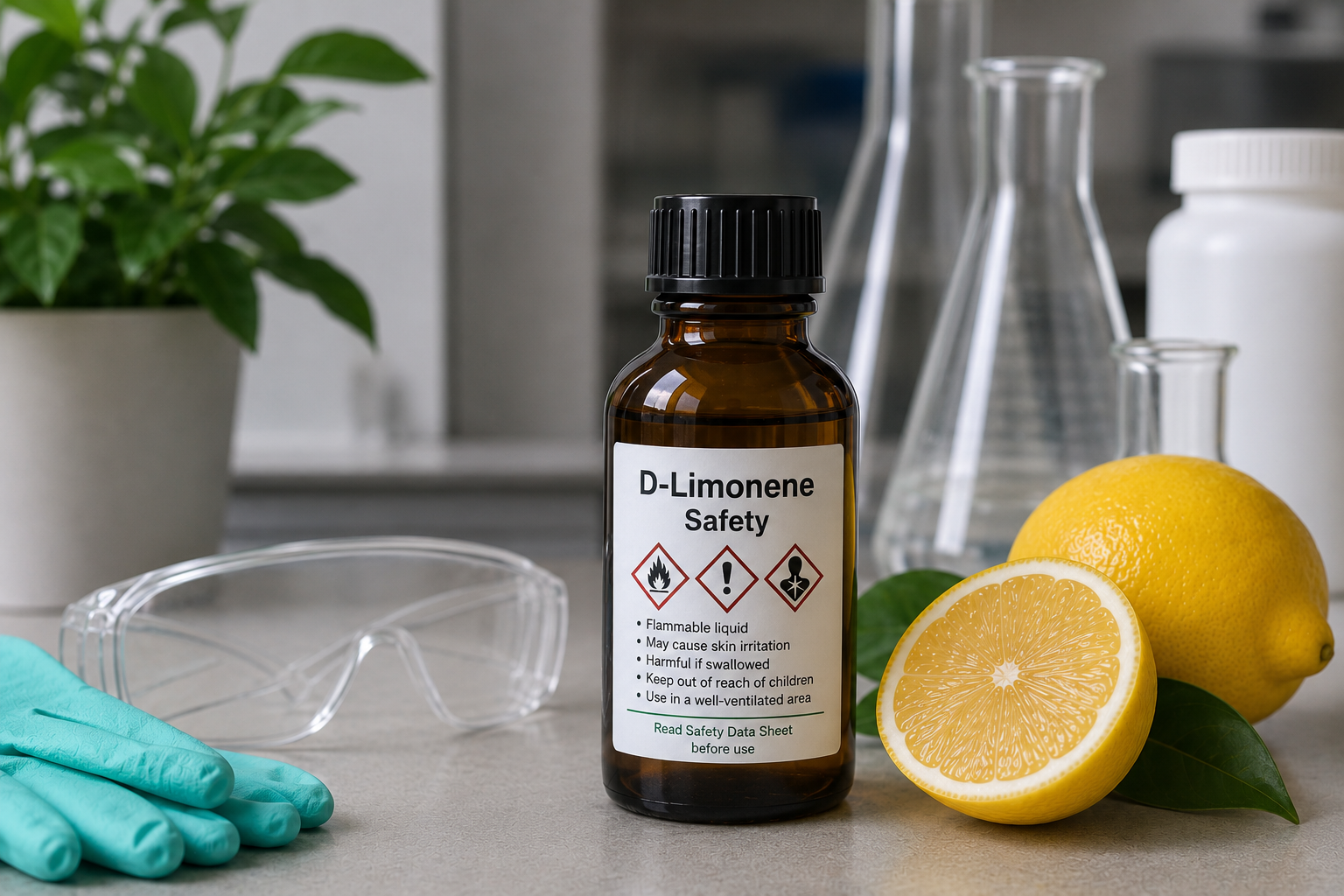
D-Limonene is a naturally occurring compound found in the peels of citrus fruits such as oranges, lemons, and limes. Recognized for its refreshing citrus aroma, D-Limonene has become a widely used ingredient in numerous industries, including food and beverages, cosmetics, pharmaceuticals, household cleaners, and industrial solvents. As demand for natural ingredients continues to grow, understanding D-Limonene safety characteristics is essential for manufacturers, consumers, and regulatory authorities.
1) Understanding D-Limonene Safety Characteristics

D-Limonene is a naturally occurring terpene hydrocarbon with the chemical formula C₁₀H₁₆. It is extracted primarily from citrus fruit peels during the juice production process. Due to its pleasant fragrance and effective solvent properties, D-Limonene has gained popularity as a sustainable alternative to petroleum-based chemicals.
Why Is D-Limonene Important?
The growing preference for natural solvents, green chemistry solutions, and eco-friendly ingredients has increased the demand for D-Limonene. Industries are replacing synthetic chemicals with naturally sourced alternatives that offer both performance and sustainability.
D-Limonene Safety Profile
Low Acute Toxicity
One of the most notable D-Limonene safety characteristics is its relatively low acute toxicity. Research indicates that D-Limonene exhibits low toxicity when used according to recommended guidelines.
Studies have shown that:
- Oral toxicity is considered low.
- Short-term exposure generally presents minimal health risks.
- It is widely recognized as safe for specific food-related applications.
This favorable safety profile contributes to its acceptance in various consumer products.
Skin Contact Considerations
While D-Limonene is generally safe, prolonged or repeated skin exposure may cause irritation in sensitive individuals.
Potential effects include:
- Mild redness
- Skin dryness
- Temporary irritation
- Allergic reactions in rare cases
Workers handling concentrated D-Limonene should wear appropriate personal protective equipment (PPE), including gloves and protective clothing.
Eye Irritation Potential
Direct contact with concentrated D-Limonene may cause eye irritation.
Possible symptoms include:
- Redness
- Watering eyes
- Temporary discomfort
Proper eye protection is recommended when handling industrial concentrations of D-Limonene.
Inhalation Safety
Under normal conditions, inhalation exposure to D-Limonene presents relatively low risk. However, high airborne concentrations in poorly ventilated environments may cause:
- Mild respiratory irritation
- Headaches
- Dizziness
- Temporary discomfort
Adequate ventilation significantly reduces inhalation risks associated with D-Limonene exposure.
Regulatory Status of D-Limonene
Food Safety Recognition
D-Limonene is commonly used as a flavoring ingredient in foods and beverages. Regulatory agencies worldwide recognize its safe use within established concentration limits.
Key regulatory considerations include:
- Approved food flavoring substance
- Accepted ingredient in consumer products
- Subject to quality and purity standards
Cosmetic Industry Approval
The cosmetic industry frequently incorporates D-Limonene into:
- Perfumes
- Lotions
- Shampoos
- Soaps
- Skincare products
Regulatory bodies require manufacturers to evaluate formulation safety and disclose ingredients appropriately.
Chemical Safety Classification
Although naturally derived, D-Limonene is still classified as a chemical substance and may require safety labeling depending on concentration and application.
Manufacturers should follow:
- Occupational safety guidelines
- Hazard communication standards
- Transportation regulations
- Environmental compliance requirements
Environmental Safety Characteristics of D-Limonene
Biodegradability
One of the strongest advantages of D-Limonene is its excellent biodegradability.
Benefits include:
- Reduced environmental persistence
- Lower ecological impact
- Enhanced sustainability profile
- Support for green chemistry initiatives
Compared to many conventional solvents, D-Limonene offers a significantly more environmentally responsible alternative.
Renewable Resource
Since D-Limonene is sourced from citrus peels, it is considered a renewable material.
Environmental benefits include:
- Reduced reliance on fossil fuels
- Utilization of agricultural byproducts
- Lower carbon footprint
- Circular economy support
Aquatic Toxicity Considerations
Although biodegradable, concentrated releases of D-Limonene into aquatic environments should be avoided.
Large quantities may affect:
- Fish populations
- Aquatic organisms
- Water quality
Proper disposal practices help minimize environmental risks.
Occupational Safety and Handling Guidelines
Organizations using D-Limonene should establish safe handling procedures.
Recommended Safety Measures
Personal Protective Equipment (PPE)
Workers should use:
- Chemical-resistant gloves
- Safety goggles
- Protective clothing
- Appropriate footwear
Ventilation Requirements
Proper ventilation reduces airborne concentrations and helps maintain workplace safety.
Recommended practices include:
- Local exhaust systems
- General room ventilation
- Air monitoring when necessary
Storage Recommendations
For optimal safety, D-Limonene should be stored:
- In tightly sealed containers
- Away from ignition sources
- In cool, dry environments
- Away from strong oxidizing agents
Potential Health Effects of D-Limonene
Short-Term Exposure
Short-term exposure to D-Limonene may result in:
- Mild skin irritation
- Temporary eye discomfort
- Minor respiratory irritation
Most effects are reversible and resolve quickly after exposure ends.
Long-Term Exposure
Available research suggests that D-Limonene presents relatively low long-term health concerns when handled appropriately.
Nevertheless, occupational settings should continue to follow established exposure control measures.
Sensitization Risk
Oxidized forms of D-Limonene may increase the likelihood of skin sensitization in susceptible individuals.
To minimize this risk:
- Use fresh materials
- Prevent prolonged air exposure
- Follow recommended storage conditions
Benefits of Choosing D-Limonene
The popularity of D-Limonene continues to rise due to several advantages:
Natural Origin
Consumers increasingly prefer products containing natural ingredients and plant-derived solvents.
Effective Cleaning Performance
D-Limonene demonstrates excellent performance as:
- Degreaser
- Solvent
- Adhesive remover
- Surface cleaner
Sustainability Benefits
Organizations seeking environmentally responsible alternatives often choose D-Limonene because it supports sustainability initiatives and green manufacturing goals.
Pleasant Fragrance
Unlike many industrial solvents, D-Limonene provides a fresh citrus scent that enhances product appeal.
Best Practices for Safe D-Limonene Use
To maximize the benefits of D-Limonene safety characteristics, organizations should:
- Follow Safety Data Sheet (SDS) recommendations.
- Train employees on safe handling procedures.
- Use appropriate personal protective equipment.
- Maintain proper ventilation systems.
- Store materials correctly.
- Monitor workplace exposure when necessary.
- Dispose of waste responsibly.
These practices help ensure both worker safety and environmental protection.
2) Safe Handling Procedures

Implementing effective Safe Handling Procedures is essential for maintaining a secure work environment, protecting employees, reducing workplace incidents, and ensuring regulatory compliance. Whether handling chemicals, machinery, hazardous materials, or industrial equipment, following proper safe handling procedures minimizes risks and promotes operational efficiency.
Organizations across manufacturing, chemical processing, logistics, pharmaceuticals, laboratories, and industrial sectors rely on comprehensive workplace safety procedures to prevent accidents and maintain employee well-being. Understanding and applying safe handling guidelines is a critical component of any successful safety management system.
Key Components of Safe Handling Procedures
Hazard Identification
The first step in developing effective Safe Handling Procedures is identifying potential hazards.
Common workplace hazards include:
- Chemical hazards
- Physical hazards
- Biological hazards
- Mechanical hazards
- Fire and explosion risks
- Environmental hazards
Conducting regular risk assessments helps organizations identify and control potential dangers.
Risk Assessment
A comprehensive risk assessment evaluates:
- Likelihood of exposure
- Severity of potential harm
- Existing control measures
- Required corrective actions
Risk assessments form the foundation of effective workplace safety management.
Safety Documentation
Organizations should maintain:
- Safety Data Sheets (SDS)
- Standard Operating Procedures (SOPs)
- Emergency response plans
- Training records
- Inspection reports
Proper documentation supports compliance and enhances workplace safety.
Personal Protective Equipment (PPE)
One of the most important aspects of Safe Handling Procedures is the use of appropriate Personal Protective Equipment (PPE).
Common PPE Includes:
Safety Gloves
Protect hands from:
- Chemicals
- Sharp objects
- Heat exposure
- Contaminants
Safety Goggles
Protect eyes from:
- Splashes
- Flying particles
- Dust
- Chemical exposure
Protective Clothing
Protective garments help minimize direct contact with hazardous substances.
Respiratory Protection
Respirators may be required when airborne contaminants exceed safe exposure levels.
Safety Footwear
Protective shoes help prevent injuries caused by falling objects, slips, and punctures.
Using the correct PPE for safe handling significantly reduces workplace risks.
Safe Storage Procedures
Proper storage is a critical component of Safe Handling Procedures.
Best Practices for Safe Storage
- Store materials in approved containers.
- Keep containers tightly sealed.
- Label all materials clearly.
- Separate incompatible substances.
- Maintain appropriate storage temperatures.
- Ensure adequate ventilation.
- Protect materials from moisture and contamination.
Following safe storage procedures helps prevent accidents, spills, and product degradation.
Safe Material Handling Techniques
Manual Handling Safety
Improper lifting and carrying techniques are major causes of workplace injuries.
Best practices include:
- Lift with your legs, not your back.
- Avoid twisting while lifting.
- Keep loads close to the body.
- Use mechanical aids when necessary.
- Request assistance for heavy loads.
These safe lifting procedures help prevent strains and musculoskeletal injuries.
Equipment Handling Safety
Employees should:
- Operate equipment only after proper training.
- Follow manufacturer instructions.
- Inspect equipment before use.
- Report defects immediately.
- Use appropriate safeguards.
Proper equipment handling procedures reduce operational risks and improve workplace safety.
Chemical Safe Handling Procedures
Chemical safety requires additional precautions due to potential health and environmental risks.
Chemical Handling Best Practices
- Read Safety Data Sheets (SDS) before use.
- Wear appropriate PPE.
- Avoid direct skin contact.
- Prevent inhalation of vapors or dust.
- Use chemicals in well-ventilated areas.
- Follow recommended dilution and usage instructions.
- Wash hands thoroughly after handling.
Effective chemical handling procedures help minimize exposure and maintain a safe workplace.
Spill Response and Emergency Procedures
Even with strict controls, incidents can occur. Organizations should establish comprehensive emergency response procedures.
Spill Response Steps
- Assess the situation.
- Identify the substance involved.
- Use appropriate PPE.
- Contain the spill safely.
- Clean up according to established procedures.
- Dispose of waste properly.
- Report the incident.
Preparedness is a critical element of Safe Handling Procedures.
Emergency Equipment
Workplaces should maintain:
- First aid kits
- Eye wash stations
- Emergency showers
- Spill containment kits
- Fire extinguishers
- Emergency communication systems
Employee Training and Awareness
Training is one of the most effective ways to improve workplace safety.
Safety Training Should Cover
- Hazard recognition
- Safe handling techniques
- PPE requirements
- Emergency response procedures
- Incident reporting
- Equipment operation
- Storage and disposal practices
Regular safety training programs ensure employees remain informed and prepared.
Environmental Considerations
Organizations should also focus on environmentally responsible handling practices.
Environmental Protection Measures
- Prevent accidental releases.
- Minimize waste generation.
- Follow disposal regulations.
- Use environmentally friendly products when possible.
- Maintain spill prevention systems.
Effective environmental safety procedures protect ecosystems and support sustainability goals.
Benefits of Implementing Safe Handling Procedures
Organizations that prioritize Safe Handling Procedures experience numerous benefits:
Enhanced Workplace Safety
Proper procedures reduce injuries and occupational illnesses.
Regulatory Compliance
Compliance with safety standards minimizes legal and financial risks.
Improved Employee Confidence
Workers feel more secure when clear safety procedures are in place.
Increased Productivity
Safe workplaces experience fewer disruptions and operational delays.
Reduced Costs
Fewer accidents result in lower medical expenses, compensation claims, and equipment damage costs.
Best Practices for Maintaining Safe Handling Procedures
To ensure long-term effectiveness, organizations should:
- Conduct routine safety audits.
- Review procedures regularly.
- Update risk assessments.
- Maintain training programs.
- Monitor workplace conditions.
- Encourage employee participation in safety initiatives.
- Investigate incidents and implement corrective actions.
Continuous improvement strengthens overall safety management systems and workplace performance.
3) Storage Requirements and Best Practices

Proper Storage Requirements and Best Practices are essential for maintaining product quality, protecting workplace safety, preventing contamination, and ensuring regulatory compliance. Whether storing chemicals, raw materials, finished goods, industrial products, food ingredients, or sensitive equipment, following the right storage requirements helps reduce risks and extend product shelf life.
Businesses across manufacturing, logistics, warehousing, laboratories, food processing, pharmaceuticals, cosmetics, and industrial sectors must implement effective storage best practices to protect employees, customers, and the environment.
Why Storage Best Practices Matter
Protecting Product Quality
One of the main goals of storage best practices is to preserve product quality. Poor storage conditions can lead to chemical breakdown, spoilage, contamination, odor changes, performance loss, or reduced shelf life.
Improving Workplace Safety
Effective safe storage procedures help prevent spills, leaks, fires, exposure incidents, and workplace injuries. A well-organized storage area supports safer handling and easier emergency response.
Supporting Regulatory Compliance
Many industries must follow strict storage compliance requirements related to occupational safety, hazardous materials, environmental protection, and product traceability.
Reducing Operational Costs
Proper warehouse storage practices reduce product loss, inventory waste, damaged materials, cleanup costs, and downtime caused by preventable incidents.
Key Storage Requirements
Temperature Control
Maintaining the correct temperature is one of the most important storage requirements for many products. Excessive heat, freezing temperatures, or frequent temperature fluctuations may affect stability and performance.
Best practices include:
- Store products within the recommended temperature range.
- Avoid direct sunlight and heat sources.
- Use temperature monitoring systems when needed.
- Keep temperature-sensitive materials in controlled environments.
- Record temperature data for compliance-sensitive products.
Proper temperature-controlled storage helps preserve material stability and product quality.
Ventilation
Good ventilation helps prevent vapor buildup, odor concentration, and unsafe airborne exposure.
Important ventilation best practices include:
- Store volatile materials in well-ventilated areas.
- Use local exhaust systems where required.
- Avoid storing strong-smelling products in confined spaces.
- Ensure airflow is not blocked by stacked materials.
- Follow Safety Data Sheet recommendations.
Effective ventilated storage supports workplace safety and air quality.
Container Integrity
Materials should always be stored in suitable, secure, and compatible containers.
Best practices include:
- Keep containers tightly closed when not in use.
- Inspect containers regularly for leaks or damage.
- Use approved containers for hazardous materials.
- Never transfer materials into unlabeled containers.
- Replace damaged packaging immediately.
Strong container storage practices help prevent spills, contamination, evaporation, and exposure.
Labeling and Identification
Clear labeling is critical for safe and efficient storage.
Every stored product should include:
- Product name
- Batch or lot number
- Hazard information
- Expiration or retest date
- Storage instructions
- Manufacturer or supplier details
Proper product labeling improves traceability and reduces the risk of misuse.
Segregation of Incompatible Materials
One of the most important storage best practices is separating incompatible materials. Some substances may react dangerously when stored together.
Common segregation practices include:
- Keep acids away from bases.
- Store oxidizers away from flammable materials.
- Separate food-grade materials from industrial chemicals.
- Keep reactive substances in dedicated storage areas.
- Use secondary containment for liquids.
Effective chemical segregation reduces the risk of fire, toxic fumes, contamination, and hazardous reactions.
Moisture and Contamination Control
Moisture can damage many materials and compromise product quality.
Best practices include:
- Store materials in dry areas.
- Keep containers sealed.
- Use moisture-resistant packaging.
- Avoid placing products directly on the floor.
- Inspect storage areas for leaks or condensation.
- Maintain clean storage environments.
Proper moisture control prevents clumping, corrosion, microbial growth, and product deterioration.
Fire Safety and Flammable Material Storage
For flammable or combustible products, fire prevention is a critical part of storage requirements.
Recommended practices include:
- Store flammable materials away from ignition sources.
- Use approved flammable storage cabinets.
- Keep storage areas free from sparks, flames, and heat.
- Ground and bond containers when transferring flammable liquids.
- Maintain suitable fire extinguishers nearby.
- Follow local fire safety regulations.
Strong flammable material storage practices protect workers, facilities, and surrounding environments.
Secondary Containment and Spill Prevention
Secondary containment helps control leaks and spills before they spread.
Best practices include:
- Use spill trays, bunds, or containment pallets.
- Store liquids below eye level when possible.
- Keep spill kits nearby.
- Train employees in spill response procedures.
- Inspect containment areas regularly.
Effective spill prevention storage reduces environmental risk and cleanup costs.
Inventory Management Best Practices
Good inventory control supports safety, compliance, and cost efficiency.
First-In, First-Out System
A First-In, First-Out (FIFO) system ensures older stock is used before newer stock, reducing expired or degraded inventory.
Regular Inspections
Storage areas should be checked routinely for:
- Damaged containers
- Leaks
- Expired products
- Poor labeling
- Blocked aisles
- Pest activity
- Temperature issues
Accurate Records
Maintain updated records for:
- Inventory quantities
- Batch numbers
- Expiry dates
- Safety Data Sheets
- Incoming and outgoing materials
Reliable inventory management improves traceability and operational control.
Warehouse Storage Best Practices
A safe and efficient warehouse depends on organized storage systems.
Important warehouse storage best practices include:
- Keep aisles clear.
- Stack materials securely.
- Use racks suitable for load weight.
- Store heavy items on lower shelves.
- Keep emergency exits accessible.
- Maintain clean floors.
- Use clear signage.
- Train employees on material handling procedures.
Well-planned warehouse safety storage reduces accidents and improves productivity.
Storage Requirements for Hazardous Materials
Hazardous materials require special attention due to potential health, safety, and environmental risks.
Best practices include:
- Review Safety Data Sheets before storage.
- Use hazard-specific storage cabinets.
- Separate incompatible chemicals.
- Restrict access to authorized personnel.
- Maintain emergency equipment nearby.
- Follow legal storage quantity limits.
- Use correct hazard labels.
Proper hazardous material storage is essential for compliance and workplace safety.
Employee Training for Storage Safety
Employees should understand how to store, handle, inspect, and report issues related to materials.
Training should cover:
- Storage requirements
- Hazard identification
- Label reading
- PPE use
- Spill response
- Fire safety
- Inventory rotation
- Emergency procedures
Effective storage safety training helps prevent mistakes and strengthens workplace safety culture.
Emergency Preparedness
Storage areas should be prepared for unexpected incidents such as spills, leaks, fires, or exposure events.
Emergency preparedness includes:
- Spill response kits
- Fire extinguishers
- Emergency showers
- Eye wash stations
- Clear evacuation routes
- Emergency contact information
- Incident reporting procedures
A strong emergency storage plan helps reduce damage and protect employees.
Common Storage Mistakes to Avoid
Avoid these frequent storage errors:
- Storing products without labels
- Mixing incompatible materials
- Ignoring temperature requirements
- Blocking exits or fire equipment
- Keeping damaged containers in use
- Failing to rotate inventory
- Storing materials directly on the floor
- Overloading shelves or racks
- Not reviewing Safety Data Sheets
Preventing these mistakes improves storage safety, product quality, and compliance.
Benefits of Proper Storage Requirements and Best Practices
Implementing effective Storage Requirements and Best Practices offers many benefits:
- Improved product stability
- Better workplace safety
- Reduced spill and fire risks
- Stronger regulatory compliance
- Lower waste and product loss
- Longer shelf life
- Improved inventory control
- Enhanced environmental protection
- More efficient warehouse operations
4) Transportation and Packaging Considerations

Effective Transportation and Packaging Considerations play a critical role in modern supply chains, ensuring products reach their destination safely, efficiently, and in compliance with regulatory requirements. Whether transporting chemicals, industrial materials, consumer goods, pharmaceuticals, food products, or hazardous substances, proper transportation and packaging practices help minimize risks, prevent product damage, reduce costs, and improve customer satisfaction.
Organizations that prioritize safe transportation, protective packaging, and logistics compliance can enhance operational efficiency while maintaining product integrity throughout the distribution process.
Why Transportation and Packaging Matter
Product Protection
One of the primary goals of transportation and packaging considerations is protecting products from:
- Physical damage
- Moisture exposure
- Temperature fluctuations
- Contamination
- Vibration
- Compression
- Impact during transit
Strong protective packaging solutions help maintain product quality and reduce losses.
Regulatory Compliance
Many industries must comply with strict transportation regulations and packaging requirements for domestic and international shipments.
Compliance helps organizations:
- Avoid penalties
- Ensure safe transport
- Meet customer requirements
- Protect public safety
Cost Reduction
Effective packaging optimization and transportation planning can lower shipping costs, reduce product returns, and improve operational efficiency.
Customer Satisfaction
Reliable product transportation and secure packaging help ensure products arrive in excellent condition, improving customer trust and satisfaction.
Key Transportation Considerations
Route Planning and Logistics
Efficient transportation planning helps reduce delays and minimize risks.
Best practices include:
- Selecting optimal shipping routes
- Monitoring weather conditions
- Avoiding high-risk transport areas
- Using reliable carriers
- Planning for emergency situations
Strong logistics management improves delivery performance and reduces transportation-related challenges.
Vehicle Selection
Choosing the appropriate transportation method is essential.
Options may include:
- Trucks
- Rail transport
- Air freight
- Ocean freight
- Intermodal transportation
The right choice depends on:
- Product type
- Shipping distance
- Regulatory requirements
- Delivery timelines
- Environmental conditions
Proper freight transportation planning helps maintain product safety and cost efficiency.
Temperature-Controlled Transportation
Some products require temperature-controlled transportation to maintain stability and quality.
Examples include:
- Pharmaceuticals
- Food products
- Chemicals
- Cosmetics
- Biological materials
Best practices include:
- Continuous temperature monitoring
- Insulated containers
- Refrigerated vehicles
- Temperature recording systems
Effective cold chain transportation helps prevent product degradation.
Packaging Considerations for Safe Transportation
Choosing the Right Packaging Materials
The selection of packaging materials directly impacts product protection.
Common packaging options include:
- Corrugated boxes
- Plastic containers
- Drums
- Intermediate Bulk Containers (IBCs)
- Metal containers
- Flexible packaging
- Protective foam inserts
Proper packaging material selection minimizes damage during handling and transit.
Packaging Durability
Products should be packaged to withstand:
- Vibration
- Shock
- Compression
- Stacking pressure
- Environmental exposure
Strong durable packaging solutions help prevent product loss and transportation damage.
Moisture Protection
Moisture can negatively impact many products.
Best practices include:
- Using moisture-resistant packaging
- Applying protective liners
- Using desiccants when necessary
- Maintaining sealed packaging systems
Proper moisture-resistant packaging helps preserve product quality during transportation.
Labeling and Documentation Requirements
Accurate labeling is a critical component of Transportation and Packaging Considerations.
Packaging Labels Should Include:
- Product identification
- Batch or lot number
- Handling instructions
- Hazard warnings
- Storage recommendations
- Shipping information
- Regulatory markings
Clear transportation labeling requirements improve safety and facilitate compliance.
Shipping Documentation
Important documentation may include:
- Bills of lading
- Shipping manifests
- Certificates of analysis
- Safety Data Sheets (SDS)
- Customs documentation
- Hazardous material declarations
Proper shipping documentation management helps prevent delays and compliance issues.
Hazardous Material Transportation
Organizations transporting hazardous materials must follow strict hazardous material transportation regulations.
Key Requirements Include:
- Approved packaging
- Hazard labels
- Proper shipping names
- Emergency response information
- Employee training
- Regulatory compliance documentation
Safe hazardous goods transportation protects workers, communities, and the environment.
Hazard Communication
Proper hazard communication ensures everyone involved in transportation understands potential risks and safety precautions.
5) Regulatory Framework in Europe and International Markets

Understanding the Regulatory Framework in Europe and International Markets is essential for businesses involved in manufacturing, importing, exporting, distribution, chemicals, pharmaceuticals, food ingredients, cosmetics, industrial products, and consumer goods. Regulatory compliance has become increasingly important as companies expand into global markets and face evolving legal requirements.
A strong understanding of the European regulatory framework, international regulations, and global compliance standards helps organizations ensure market access, protect consumers, maintain product quality, and avoid costly penalties.
Importance of Regulatory Compliance in Global Markets
Market Access
One of the primary reasons for understanding the Regulatory Framework in Europe and International Markets is gaining access to target markets.
Products that fail to meet regulatory requirements may face:
- Import restrictions
- Product recalls
- Customs delays
- Market bans
- Financial penalties
Strong regulatory compliance management helps organizations enter and operate successfully in global markets.
Consumer Safety
Regulatory systems are designed to ensure products are safe for intended use. Compliance supports consumer confidence and brand reputation.
Risk Reduction
Following applicable international regulations helps organizations minimize legal, operational, and financial risks.
Competitive Advantage
Companies with robust global compliance programs often gain a competitive advantage by demonstrating commitment to quality, safety, and sustainability.
Regulatory Framework in Europe
European Union Regulatory System
The European Union (EU) has one of the world's most comprehensive regulatory environments. Businesses selling products in Europe must comply with numerous EU regulations and directives.
Key objectives include:
- Consumer protection
- Environmental sustainability
- Product safety
- Worker protection
- Fair market competition
The European regulatory framework is designed to harmonize standards across EU member states, making cross-border trade more efficient.
REACH Regulation
One of Europe's most important regulations is REACH (Registration, Evaluation, Authorization and Restriction of Chemicals).
Purpose of REACH
REACH Regulation aims to:
- Improve protection of human health
- Enhance environmental protection
- Promote safe chemical use
- Increase transparency in supply chains
Under REACH compliance, companies may be required to:
- Register substances
- Provide safety data
- Conduct risk assessments
- Communicate hazard information
For many industries, REACH Regulation is a critical component of regulatory compliance.
CLP Regulation
Another key European regulation is CLP (Classification, Labelling and Packaging Regulation).
Objectives of CLP
The CLP Regulation ensures:
- Consistent hazard classification
- Standardized labeling
- Effective hazard communication
- Improved workplace and consumer safety
Organizations must properly classify and label products according to applicable CLP requirements before placing them on the European market.
CE Marking Requirements
Many products sold in Europe require CE Marking.
What CE Marking Indicates
The CE Mark demonstrates that a product complies with relevant European requirements regarding:
- Safety
- Health protection
- Environmental protection
- Performance standards
Products subject to CE compliance may include:
- Machinery
- Electrical equipment
- Medical devices
- Construction products
- Consumer goods
Obtaining CE Marking certification is often mandatory for market access within the European Economic Area.
European Environmental Regulations
Environmental sustainability is a major focus of the European regulatory framework.
Important environmental regulations include:
RoHS Directive
The Restriction of Hazardous Substances (RoHS) Directive limits certain hazardous materials in electrical and electronic equipment.
Waste Framework Directive
This regulation promotes:
- Waste reduction
- Recycling
- Resource efficiency
- Circular economy initiatives
Packaging and Packaging Waste Regulations
These rules support:
- Sustainable packaging
- Waste minimization
- Producer responsibility programs
Compliance with European environmental regulations helps organizations achieve sustainability objectives while meeting legal obligations.
International Regulatory Frameworks
Businesses operating globally must comply with various international market regulations beyond Europe.
United States Regulations
Products entering the U.S. market may be subject to oversight from agencies such as:
- FDA (Food and Drug Administration)
- EPA (Environmental Protection Agency)
- OSHA (Occupational Safety and Health Administration)
- CPSC (Consumer Product Safety Commission)
Compliance with U.S. regulatory requirements is essential for market access.
United Kingdom Regulations
Following Brexit, the UK maintains its own regulatory framework, including:
- UK REACH
- UKCA Marking
- Product Safety Regulations
Organizations exporting to the UK must understand applicable UK compliance requirements.
Asia-Pacific Markets
Countries such as:
- China
- Japan
- South Korea
- Australia
- India
Maintain unique international compliance regulations for product safety, environmental protection, and market authorization.
Global Product Safety Regulations
Product safety remains a central focus of the Regulatory Framework in Europe and International Markets.
Product Safety Requirements
Companies must often demonstrate:
- Product testing
- Risk assessment
- Quality control
- Safety documentation
- Regulatory conformity
Compliance with global product safety standards helps protect consumers and facilitate international trade.
Documentation and Regulatory Compliance
Accurate documentation is essential for meeting international regulatory requirements.
Important documentation may include:
- Safety Data Sheets (SDS)
- Technical files
- Product specifications
- Certificates of analysis
- Risk assessments
- Test reports
- Compliance declarations
Strong regulatory documentation management supports inspections and audits.
Regulatory Challenges in International Markets
Organizations often face several compliance challenges.
Regulatory Complexity
Different countries maintain unique regulations, standards, and approval processes.
Frequent Regulatory Changes
Businesses must monitor updates to:
- Product safety regulations
- Environmental laws
- Trade requirements
- Labeling standards
Supply Chain Compliance
Global supply chains require careful management to ensure compliance throughout sourcing, manufacturing, transportation, and distribution.
Market-Specific Requirements
Each market may require unique:
- Registrations
- Certifications
- Product testing
- Labeling formats
Effective global regulatory management helps organizations navigate these challenges successfully.
6) Workplace Safety and Risk Management

Workplace Safety and Risk Management are essential for protecting employees, preventing accidents, reducing business losses, and maintaining regulatory compliance. Every organization, whether in manufacturing, logistics, chemicals, construction, warehousing, laboratories, or office environments, must create a strong workplace safety culture to reduce hazards and improve operational performance.
Effective risk management helps businesses identify potential dangers before they cause injuries, equipment damage, environmental incidents, or production delays. By combining workplace safety procedures, hazard identification, employee training, and continuous improvement, companies can create safer and more productive work environments.
Why Workplace Safety Matters
Protecting Employees
The most important goal of workplace safety is protecting employees from injury, illness, and exposure to hazards. Safe working conditions improve morale, reduce stress, and support long-term employee well-being.
Reducing Business Risk
Poor safety practices can lead to accidents, compensation claims, equipment damage, legal penalties, and reputational harm. Effective risk management strategies reduce these risks and protect business continuity.
Supporting Compliance
Many industries must follow strict occupational safety regulations, health and safety standards, and internal safety requirements. A proactive workplace safety program helps organizations meet these obligations.
Improving Productivity
Safe workplaces experience fewer disruptions, lower absenteeism, better workflow, and higher employee performance.
Key Elements of Workplace Risk Management
Hazard Identification
Hazard identification is the first step in any effective risk management process. Common workplace hazards include:
- Chemical hazards
- Fire and explosion risks
- Slips, trips, and falls
- Machinery hazards
- Electrical hazards
- Manual handling risks
- Noise exposure
- Poor ventilation
- Ergonomic hazards
Regular inspections help detect hazards before they become serious incidents.
Risk Assessment
A risk assessment evaluates how likely a hazard is to cause harm and how severe the consequences may be. This process helps prioritize safety actions and allocate resources effectively.
A good workplace risk assessment should consider:
- Who may be harmed
- How exposure may occur
- Existing control measures
- Severity of potential harm
- Corrective actions required
Risk Control Measures
After risks are identified, organizations must apply suitable risk control measures.
Common controls include:
- Eliminating hazards where possible
- Substituting safer materials or processes
- Using engineering controls
- Applying administrative controls
- Providing Personal Protective Equipment (PPE)
The goal is to reduce risk to the lowest practical level.
Personal Protective Equipment in Workplace Safety
Personal Protective Equipment (PPE) is an important part of workplace safety and risk management. PPE protects employees when hazards cannot be fully eliminated.
Common PPE includes:
- Safety gloves
- Safety goggles
- Protective clothing
- Respirators
- Hard hats
- Safety footwear
- Hearing protection
Employees must be trained on correct PPE selection, use, maintenance, and disposal.
Workplace Safety Training
Effective workplace safety training ensures employees understand hazards, procedures, emergency actions, and reporting responsibilities.
Training should cover:
- Safe work procedures
- Hazard recognition
- Chemical handling safety
- Equipment operation
- Fire safety
- Spill response
- Emergency evacuation
- Incident reporting
- PPE requirements
Regular refresher training keeps safety knowledge current and reinforces safe behavior.
Emergency Preparedness and Response
A strong emergency response plan is essential for reducing harm during unexpected incidents.
Emergency planning should include:
- Evacuation routes
- Fire response procedures
- Spill response plans
- First aid arrangements
- Emergency contact numbers
- Alarm systems
- Eye wash stations and safety showers
- Incident communication procedures
Prepared employees can respond quickly and effectively during emergencies.
Incident Reporting and Investigation
Every workplace should have a clear incident reporting system. Reporting near misses, unsafe conditions, injuries, spills, and equipment failures helps prevent future incidents.
An effective incident investigation identifies:
- Root causes
- Contributing factors
- Failed controls
- Corrective actions
- Preventive measures
Learning from incidents strengthens the overall safety management system.
Chemical Safety and Risk Management
For organizations handling chemicals, chemical safety management is especially important.
Best practices include:
- Reviewing Safety Data Sheets
- Proper labeling
- Safe storage procedures
- Ventilation controls
- Spill containment
- Exposure monitoring
- Correct PPE use
- Employee training
Strong chemical risk management reduces exposure risks and protects workers, facilities, and the environment.
Workplace Safety Audits and Inspections
Regular safety audits and workplace inspections help verify that safety procedures are being followed.
Inspections should check:
- Housekeeping
- Storage areas
- Emergency equipment
- PPE availability
- Machine guards
- Electrical systems
- Fire protection equipment
- Hazard labels
- Walkways and exits
Routine audits support continuous improvement and compliance.
Building a Strong Safety Culture
A strong workplace safety culture means safety is part of everyday decision-making. Employees at all levels should feel responsible for identifying hazards and following safe practices.
To build a strong safety culture:
- Encourage open reporting
- Involve employees in safety decisions
- Recognize safe behavior
- Provide regular training
- Communicate safety updates
- Lead by example
- Review procedures frequently
When leadership and employees work together, workplace safety performance improves significantly.
Benefits of Workplace Safety and Risk Management
Implementing effective Workplace Safety and Risk Management provides major benefits:
- Fewer workplace accidents
- Reduced injury rates
- Lower operational costs
- Improved employee morale
- Stronger compliance
- Better productivity
- Reduced equipment damage
- Improved emergency readiness
- Enhanced company reputation
Common Workplace Safety Mistakes to Avoid
Organizations should avoid these common mistakes:
- Ignoring near misses
- Failing to update risk assessments
- Poor employee training
- Inadequate PPE use
- Lack of emergency planning
- Unsafe chemical storage
- Poor housekeeping
- Weak incident reporting
- Infrequent safety inspections
Avoiding these errors helps maintain a safer and more reliable workplace.
7) Compliance Documentation and Safety Data Sheets

Effective Compliance Documentation and Safety Data Sheets are fundamental components of modern regulatory compliance, workplace safety, product stewardship, and risk management programs. Organizations involved in manufacturing, chemical processing, distribution, transportation, warehousing, pharmaceuticals, cosmetics, food ingredients, and industrial operations rely on accurate compliance documentation and comprehensive Safety Data Sheets (SDS) to ensure legal compliance and protect workers, customers, and the environment.
Properly maintained regulatory documentation helps businesses meet national and international requirements while improving operational transparency and safety performance. Understanding the importance of Compliance Documentation and Safety Data Sheets is essential for organizations seeking to reduce risk, improve compliance, and maintain market access.
Why Compliance Documentation Is Important
Regulatory Compliance
One of the primary functions of compliance documentation is demonstrating conformity with applicable regulations and standards.
Proper documentation supports compliance with:
- REACH Regulation
- CLP Regulation
- OSHA requirements
- GHS standards
- Environmental regulations
- Transportation regulations
- Product safety requirements
Strong regulatory compliance management helps businesses avoid fines, penalties, and legal complications.
Workplace Safety
Accurate safety documentation provides employees with the information needed to work safely with products, equipment, and materials.
Risk Management
Well-maintained compliance records help organizations identify hazards, manage risks, and respond effectively to audits or inspections.
Market Access
Many global markets require specific compliance documentation before products can be imported, distributed, or sold.
What Are Safety Data Sheets (SDS)?
A Safety Data Sheet (SDS) is a standardized document that provides detailed information about a substance, mixture, or product. It communicates important safety, health, environmental, handling, storage, transportation, and emergency response information.
Safety Data Sheets are essential tools for:
- Hazard communication
- Worker protection
- Regulatory compliance
- Emergency preparedness
- Safe product handling
Every workplace that handles hazardous materials should maintain accessible and up-to-date Safety Data Sheets.
Purpose of Safety Data Sheets
The primary purpose of an SDS is to ensure users understand the potential hazards associated with a product and know how to manage those risks safely.
A properly prepared Safety Data Sheet helps users:
- Identify hazards
- Understand safe handling procedures
- Select appropriate PPE
- Respond to emergencies
- Store products correctly
- Dispose of materials safely
Effective hazard communication depends heavily on accurate SDS documentation.
Key Sections of a Safety Data Sheet
Most modern Safety Data Sheets follow the Globally Harmonized System (GHS) format.
Product Identification
This section includes:
- Product name
- Supplier information
- Emergency contact details
- Recommended uses
Hazard Identification
The hazard identification section provides:
- Hazard classifications
- Signal words
- Hazard statements
- Precautionary statements
- Hazard pictograms
Composition Information
This section identifies:
- Chemical ingredients
- Concentration ranges
- Hazardous components
First Aid Measures
The first aid section outlines emergency treatment procedures following:
- Inhalation exposure
- Skin contact
- Eye contact
- Ingestion
Firefighting Measures
Important information includes:
- Suitable extinguishing media
- Fire hazards
- Protective equipment for firefighters
Accidental Release Measures
This section provides guidance for:
- Spill response
- Containment methods
- Cleanup procedures
Handling and Storage
The handling and storage section includes recommendations for:
- Safe handling practices
- Storage requirements
- Ventilation controls
- Exposure prevention
Exposure Controls and PPE
This section explains:
- Occupational exposure limits
- Engineering controls
- Personal Protective Equipment (PPE)
- Respiratory protection
Physical and Chemical Properties
Information may include:
- Appearance
- Odor
- Boiling point
- Flash point
- Solubility
- Density
Stability and Reactivity
The stability section identifies:
- Chemical stability
- Incompatible materials
- Hazardous reactions
Toxicological Information
This section provides information on:
- Health effects
- Exposure routes
- Acute toxicity
- Chronic health concerns
Regulatory Requirements for Safety Data Sheets
Globally Harmonized System (GHS)
The Globally Harmonized System (GHS) standardizes hazard communication worldwide.
Benefits of GHS-compliant Safety Data Sheets include:
- Consistent classification
- Improved workplace safety
- Better international communication
- Easier regulatory compliance
REACH and CLP Compliance
In Europe, Safety Data Sheets must comply with:
- REACH Regulation
- CLP Regulation
Organizations selling products in the European market must ensure their SDS documents meet current legal requirements.
OSHA Hazard Communication Standard
In the United States, OSHA requires employers to maintain accessible Safety Data Sheets for hazardous chemicals in the workplace.
Compliance with Hazard Communication Standards improves worker protection and regulatory compliance.
Benefits of Maintaining Accurate Compliance Documentation
Improved Regulatory Compliance
Current and accurate compliance documentation demonstrates adherence to legal requirements and industry standards.
Enhanced Workplace Safety
Employees rely on Safety Data Sheets and related documents to understand workplace hazards and protective measures.
Better Audit Preparedness
Organizations with organized compliance records are better prepared for regulatory inspections and customer audits.
Reduced Liability
Proper documentation helps demonstrate due diligence and responsible risk management.
Stronger Customer Confidence
Customers often require access to compliance documentation before purchasing or approving products.
Document Control Best Practices
Effective document control systems help ensure regulatory records remain accurate and accessible.
Best Practices Include:
- Regular document reviews
- Version control procedures
- Centralized document storage
- Employee access management
- Scheduled updates
- Regulatory monitoring
- Backup and recovery systems
Strong compliance document management improves efficiency and reduces compliance risks.
Employee Training and Compliance Documentation
Employees should understand how to access and use Safety Data Sheets and related documentation.
Training programs should cover:
- SDS interpretation
- Hazard communication
- PPE requirements
- Emergency procedures
- Spill response
- Safe handling practices
- Regulatory responsibilities
Effective compliance training programs strengthen workplace safety and regulatory awareness.


