

Table of Contents:
- What Is Linalool? Understanding This Popular Natural Compound
- Where Is Linalool Found Naturally?
- What Does Linalool Smell Like? Aroma Profile Explained
- Common Uses of Linalool in Everyday Products
- Potential Benefits of Linalool for Wellness and Relaxation
- Is Linalool Safe? Side Effects and Precautions
- Final Thoughts: Why Linalool Matters in Aromatherapy and Beyond
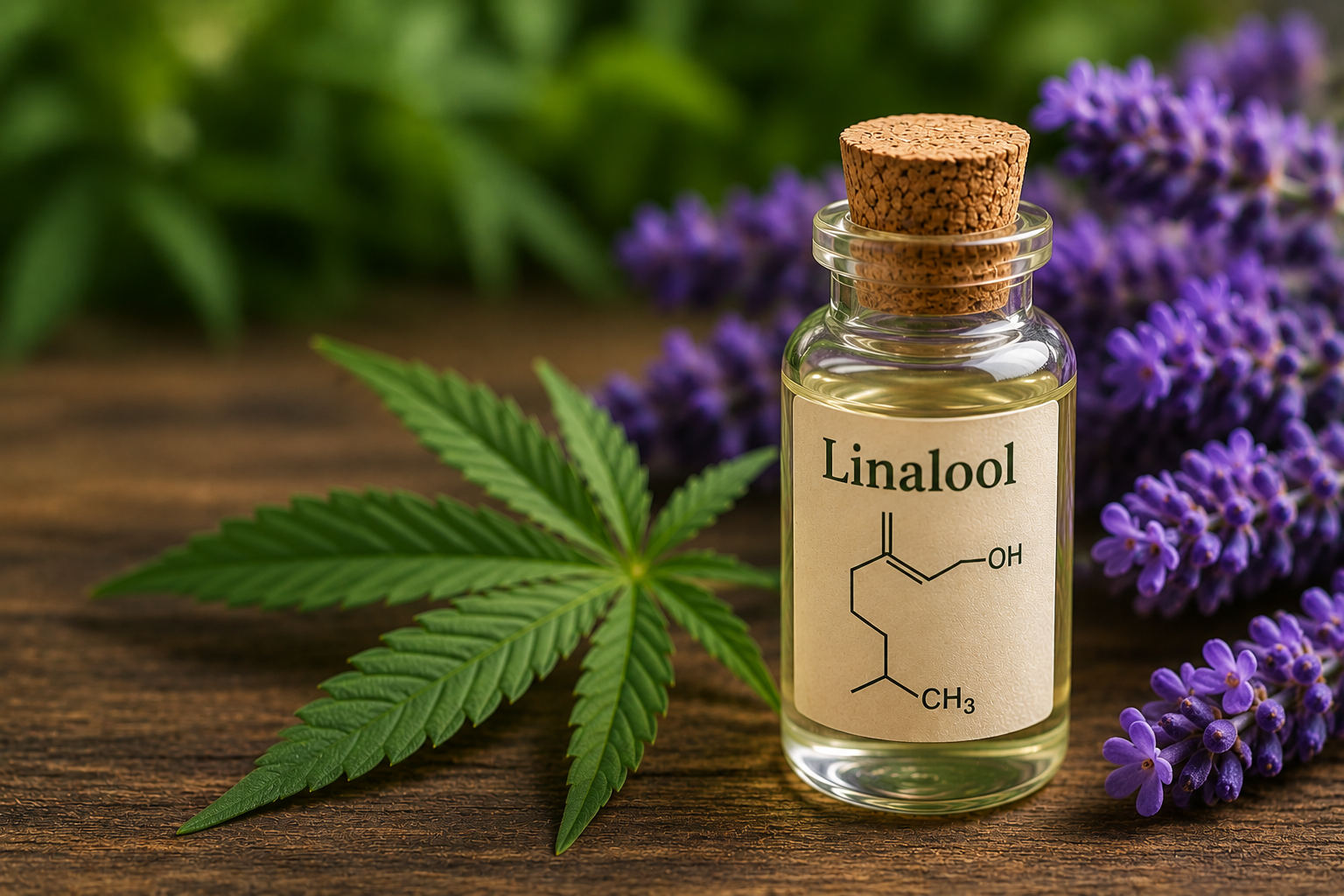
Linalool is a naturally occurring terpene alcohol found in hundreds of plants, flowers, and spices. Known for its soft floral scent with subtle spicy notes, linalool is widely used in perfumes, cosmetics, essential oils, aromatherapy, and wellness products. It is one of the most important fragrance compounds in the world and plays a major role in the calming aroma of lavender.
1) What Is Linalool? Understanding This Popular Natural Compound
Linalool is a naturally occurring terpene alcohol found in over 200 plants, flowers, and herbs. It is one of the most common fragrance compounds used in nature and is especially abundant in essential oils.
This aromatic compound is responsible for the soft floral scent found in many plants such as:
- Lavender
- Basil
- Coriander
- Mint
- Bergamot
- Rosewood
Because of its fresh and soothing fragrance, linalool is commonly used in perfumes, cosmetics, candles, and aromatherapy products.
What Does Linalool Smell Like?
The scent of linalool is one of the main reasons it is so valuable in the fragrance industry.
Linalool Aroma Profile
Linalool has a:
- Floral aroma
- Sweet lavender-like scent
- Light citrus notes
- Mild woody undertones
- Soft spicy finish
Its relaxing fragrance makes it popular in products designed for stress relief and relaxation.
Natural Sources of Linalool
Many plants naturally contain high levels of linalool. Some of the most common sources include:
|
Plant Source |
Linalool Presence |
|
Lavender |
Very High |
|
Coriander |
High |
|
Basil |
Moderate |
|
Rosewood |
High |
|
Bergamot |
Moderate |
|
Jasmine |
Moderate |
Lavender essential oil remains one of the richest natural sources of linalool.
Uses of Linalool
Because of its fragrance and versatility, linalool is used in several industries.
1. Aromatherapy
One of the most common uses of linalool is in aromatherapy. Its calming scent may help create a relaxing environment.
Products often containing linalool include:
- Essential oil blends
- Diffuser oils
- Sleep sprays
- Massage oils
2. Perfumes and Cosmetics
The soft floral aroma of linalool makes it a popular ingredient in:
- Perfumes
- Lotions
- Body sprays
- Soaps
- Shampoo
- Candles
It helps create fresh, elegant, and long-lasting fragrances.
3. Skincare Products
Many skincare brands use linalool to improve product fragrance and user experience.
It is commonly found in:
- Moisturizers
- Creams
- Face cleansers
- Serums
- Beauty products
4. Household Cleaning Products
Because of its refreshing scent, linalool is frequently added to:
- Air fresheners
- Laundry detergents
- Cleaning sprays
- Fabric softeners
5. Food and Beverage Flavoring
In small approved amounts, linalool is also used as a flavoring ingredient in:
- Herbal teas
- Candies
- Drinks
- Spices
Benefits of Linalool
Research suggests that linalool may offer several potential wellness benefits.
Stress and Anxiety Relief
One of the most well-known benefits of linalool is its calming effect. Aromas rich in linalool may help reduce stress and promote relaxation.
This is why lavender oil is commonly associated with peace and calmness.
Sleep Support
Products containing linalool are often used to improve bedtime routines because the relaxing scent may support better sleep quality.
Anti-Inflammatory Properties
Some studies indicate that linalool may possess anti-inflammatory properties that could help soothe skin irritation.
Antimicrobial Effects
Research also suggests that linalool may have antimicrobial properties, making it useful in personal care and cleaning products.
Is Linalool Safe?
In general, linalool is considered safe for use in cosmetics, fragrances, and food products when used in approved amounts.
However, some people with fragrance sensitivities may experience irritation from oxidized linalool.
Safety Tips
- Always dilute essential oils before use
- Perform a patch test on the skin
- Store oils away from heat and sunlight
- Avoid expired products
Why Is Linalool So Popular?
The growing popularity of linalool comes from its:
- Pleasant floral scent
- Natural origin
- Versatility in products
- Potential relaxing effects
It blends well with many essential oils, including:
- Chamomile
- Sandalwood
- Bergamot
- Frankincense
- Ylang-ylang
2) Where Is Linalool Found Naturally?

Linalool occurs naturally in many aromatic plants and flowers. It is especially abundant in essential oil-producing plants.
Here are some of the most common natural sources of linalool.
1. Lavender
One of the richest and most famous sources of linalool is lavender.
Lavender essential oil contains high concentrations of linalool, which contributes to its:
- Calming aroma
- Floral fragrance
- Relaxing effects
This is why lavender is commonly used in:
- Sleep sprays
- Aromatherapy oils
- Candles
- Bath products
2. Coriander
Coriander seeds are another major natural source of linalool.
In fact, coriander essential oil can contain very high levels of this aromatic compound. The fresh, slightly citrusy scent of coriander is partly due to its linalool content.
3. Basil
Certain varieties of basil naturally contain significant amounts of linalool.
Sweet basil essential oil is widely used in aromatherapy and natural wellness products because of its fresh herbal aroma.
4. Rosewood
Rosewood oil is well known for its rich concentration of linalool.
Its sweet woody and floral scent make it a popular ingredient in luxury perfumes and skincare products.
5. Bergamot
Bergamot, a citrus fruit commonly used in Earl Grey tea, naturally contains linalool.
Its refreshing citrus-floral aroma makes bergamot oil popular in:
- Diffusers
- Perfumes
- Mood-enhancing blends
6. Mint Plants
Many mint varieties, including:
- Peppermint
- Spearmint
contain small to moderate amounts of linalool that contribute to their fresh scent profile.
7. Jasmine
The delicate floral fragrance of jasmine also contains naturally occurring linalool.
Jasmine oil is often used in luxury fragrances and beauty products.
8. Cinnamon Leaf
While cinnamon is known for its spicy scent, cinnamon leaf oil also contains natural linalool, adding subtle floral notes to its aroma.
Plants Rich in Linalool
Here’s a quick overview of plants naturally high in linalool:
|
Plant |
Linalool Content |
|
Lavender |
Very High |
|
Coriander |
High |
|
Rosewood |
High |
|
Basil |
Moderate |
|
Bergamot |
Moderate |
|
Jasmine |
Moderate |
|
Mint |
Low to Moderate |
Why Do Plants Produce Linalool?
Plants naturally produce linalool as part of their defense and attraction systems.
Functions of Linalool in Plants
- Attracting pollinators
- Repelling pests
- Protecting against environmental stress
- Contributing to plant fragrance
Its pleasant aroma helps flowers attract bees and other pollinating insects.
Uses of Naturally Derived Linalool
Because it is found in so many aromatic plants, linalool is commonly extracted for commercial use.
Aromatherapy
Naturally derived linalool is often used in essential oil blends designed for relaxation and stress relief.
Perfume Industry
The floral scent of linalool makes it a key ingredient in many perfumes and body care products.
Skincare Products
Many natural skincare products contain plant-derived linalool for fragrance and sensory appeal.
Cleaning Products
Its fresh scent also makes linalool popular in eco-friendly cleaners and air fresheners.
Is Natural Linalool Safe?
Naturally occurring linalool is generally considered safe when used properly in cosmetics, fragrances, and food products.
However, oxidized linalool may cause skin sensitivity in some individuals.
Safety Tips
- Use diluted essential oils
- Perform patch testing
- Store products correctly
- Avoid expired oils
3) What Does Linalool Smell Like? Aroma Profile Explained

The scent of linalool is often described as:
- Floral
- Sweet
- Fresh
- Softly spicy
- Slightly woody
- Lightly citrusy
Many people compare the smell of linalool to lavender because lavender essential oil naturally contains high levels of this aromatic compound.
Linalool Aroma Profile Explained
The linalool aroma profile is complex yet gentle, making it highly versatile in fragrance creation.
1. Floral Notes
The dominant characteristic of linalool is its soft floral aroma. This gives fragrances a fresh and elegant scent.
These floral notes are commonly associated with:
- Lavender
- Jasmine
- Rosewood
2. Sweet Undertones
Linalool also carries a subtle natural sweetness that adds warmth and softness to perfumes and essential oils.
This sweetness helps create calming and comforting fragrances
3. Citrus Hints
Some forms of linalool have faint citrus-like notes that provide freshness and brightness.
This is especially noticeable in oils like:
- Bergamot
- Coriander
- Basil
4. Light Woody and Spicy Notes
In addition to floral tones, linalool can also have mild woody and spicy undertones, adding depth to fragrance blends.
Why Does Linalool Smell So Relaxing?
One reason the aroma of linalool is so popular is because many people associate it with relaxation and calmness.
The soothing scent is commonly used in:
- Sleep sprays
- Diffuser blends
- Massage oils
- Candles
- Bath products
Lavender oil, which is rich in linalool, is especially famous for promoting a peaceful atmosphere.
Natural Sources of Linalool
Many plants naturally produce linalool as part of their essential oils.
Plants Rich in Linalool
|
Plant |
Aroma Characteristics |
|
Lavender |
Floral and calming |
|
Coriander |
Fresh and citrusy |
|
Basil |
Herbal and sweet |
|
Rosewood |
Woody and floral |
|
Bergamot |
Bright and citrus-floral |
|
Jasmine |
Sweet floral |
These plants are commonly used to extract natural linalool for fragrance and wellness products.
Uses of Linalool in Fragrance Products
Because of its balanced aroma, linalool is widely used in many scented products.
Perfumes
The floral sweetness of linalool makes it a key ingredient in both luxury and natural perfumes.
Aromatherapy
Essential oils rich in linalool are frequently used in aromatherapy to create calming environments.
Candles and Air Fresheners
Its clean and relaxing scent makes linalool ideal for home fragrance products.
Skincare and Cosmetics
Many skincare products use linalool to add a fresh floral scent to creams, lotions, and cleansers.
Is Linalool Safe in Fragrances?
In general, linalool is considered safe for use in cosmetics, perfumes, and household products when used in approved amounts.
However, oxidized linalool may cause sensitivity in some individuals with fragrance allergies.
Safety Tips
- Store products away from heat and sunlight
- Avoid using expired essential oils
- Perform a patch test when using skincare products
4) Common Uses of Linalool in Everyday Products

Linalool is one of the most widely used natural compounds found in essential oils, fragrances, and personal care items. As one of the most popular terpenes, linalool is valued for its pleasant floral scent, calming properties, and versatility in a wide range of everyday products.
From perfumes and skincare to cleaning supplies and aromatherapy, linalool plays a major role in modern consumer products. But what exactly are the common uses of linalool in everyday products?
Common Uses of Linalool in Everyday Products
1. Perfumes and Fragrances
One of the most common uses of linalool is in perfumes and scented products.
Because of its soft floral aroma, linalool is used in:
- Luxury perfumes
- Body sprays
- Deodorants
- Scented lotions
- Colognes
As one of the most important fragrance terpenes, it helps create fresh and long-lasting scent profiles.
2. Aromatherapy Products
Linalool is widely used in aromatherapy because of its calming and soothing aroma.
Products commonly containing linalool include:
- Essential oil blends
- Diffuser oils
- Sleep sprays
- Massage oils
- Relaxation candles
Lavender oil, one of the richest sources of linalool, is especially popular for stress relief.
3. Skincare and Beauty Products
Many beauty brands use linalool in skincare formulations because of its pleasant scent and compatibility with natural ingredients.
You can commonly find linalool in:
- Moisturizers
- Face cleansers
- Creams
- Serums
- Face masks
- Shampoo
- Conditioner
Among natural terpenes, linalool is especially popular in clean beauty and wellness-focused skincare products.
4. Household Cleaning Products
The fresh floral scent of linalool makes it a common ingredient in household products.
It is frequently added to:
- Air fresheners
- Laundry detergents
- Fabric softeners
- Cleaning sprays
- Dishwashing liquids
Its refreshing aroma helps create a clean and pleasant environment.
5. Candles and Home Fragrance
As one of the most aromatic terpenes, linalool is widely used in home fragrance products.
Popular items include:
- Scented candles
- Reed diffusers
- Wax melts
- Room sprays
Its relaxing scent helps create calming spaces in homes and spas.
6. Food and Beverage Flavoring
In approved amounts, linalool is also used as a flavoring ingredient in food and beverages.
It contributes subtle floral and citrus notes to:
- Herbal teas
- Candies
- Drinks
- Desserts
- Spice blends
7. Wellness and Spa Products
Many spa and wellness products contain linalool-rich terpenes because of their soothing fragrance.
Examples include:
- Bath salts
- Body oils
- Herbal balms
- Meditation sprays
- Relaxation kits
Benefits of Linalool in Everyday Products
The widespread use of linalool comes from both its fragrance and potential wellness benefits.
Relaxation and Stress Relief
The calming scent of linalool may help reduce stress and promote relaxation.
This is one reason why terpenes like linalool are common in sleep and wellness products.
Fresh Floral Aroma
Its naturally pleasant fragrance makes linalool ideal for perfumes, candles, and beauty products.
Versatility
Among all natural terpenes, linalool blends well with:
- Floral oils
- Citrus oils
- Woody fragrances
- Herbal scents
This versatility makes it useful in thousands of products worldwide.
Natural Sources of Linalool
Several plants naturally produce linalool and other aromatic terpenes.
Plants Rich in Linalool
|
Plant |
Aroma Type |
|
Lavender |
Floral |
|
Basil |
Herbal |
|
Coriander |
Fresh citrus |
|
Rosewood |
Woody floral |
|
Bergamot |
Citrus floral |
These plants are commonly used to extract natural linalool for commercial applications.
5) Potential Benefits of Linalool for Wellness and Relaxation

In the growing world of natural wellness, linalool has become one of the most talked-about aromatic compounds. Found naturally in lavender, basil, coriander, and many essential oils, linalool is one of the most important plant-based terpenes used in aromatherapy, skincare, and relaxation products.
Known for its calming floral scent, this natural compound is widely associated with stress relief, emotional balance, and relaxation. But what are the actual potential benefits of linalool for wellness and relaxation?
Why Are Terpenes Important for Wellness?
Terpenes are natural compounds responsible for the aroma, flavor, and therapeutic properties of many plants. They play a significant role in aromatherapy and natural wellness practices.
Among all natural terpenes, linalool is especially valued because of its relaxing scent and potential calming effects.
Potential Benefits of Linalool for Wellness and Relaxation
1. May Help Reduce Stress
One of the most well-known benefits of linalool is its potential ability to promote relaxation and reduce feelings of stress.
The calming aroma of linalool-rich terpenes is commonly used in:
- Aromatherapy diffusers
- Meditation spaces
- Relaxation sprays
- Spa products
Lavender essential oil, which contains high levels of linalool, is especially popular for creating peaceful environments.
2. May Support Better Sleep
Many sleep-focused wellness products contain linalool because its soothing fragrance may help support restful sleep.
Products commonly used for bedtime relaxation include:
- Pillow sprays
- Essential oil blends
- Relaxation candles
- Sleep balms
Among natural terpenes, linalool is one of the most associated with nighttime calmness and comfort.
3. Promotes a Calming Atmosphere
The floral aroma of linalool may help create a soothing environment at home, in spas, or during self-care routines.
This is why linalool-rich terpenes are frequently used in:
- Candles
- Bath products
- Massage oils
- Yoga studios
- Wellness centers
4. Potential Mood Support
Some research suggests that the scent of linalool may positively influence mood and emotional well-being.
Its fresh floral aroma can help create feelings of:
- Calmness
- Comfort
- Relaxation
- Emotional balance
5. May Have Anti-Inflammatory Properties
Studies indicate that linalool may possess anti-inflammatory properties, making it useful in skincare and wellness products.
Because of this, some products containing terpenes like linalool are designed for soothing and calming skin.
6. Potential Antimicrobial Benefits
Research also suggests that linalool may have antimicrobial properties that can support natural cleaning and hygiene products.
This is one reason why it is commonly found in:
- Natural cleaning sprays
- Herbal skincare
- Wellness products
- Essential oil blends
Natural Sources of Linalool
Many plants naturally produce linalool and other aromatic terpenes.
Plants Rich in Linalool
|
Plant |
Aroma Profile |
|
Lavender |
Floral and calming |
|
Coriander |
Fresh and citrusy |
|
Basil |
Herbal and sweet |
|
Bergamot |
Bright citrus floral |
|
Rosewood |
Woody floral |
These plants are widely used in aromatherapy and wellness products because of their natural terpenes.
How Linalool Is Used in Wellness Products
Because of its relaxing scent, linalool is commonly included in many wellness-focused products.
Popular Products Containing Linalool
- Essential oils
- Massage oils
- Bath salts
- Relaxation sprays
- Sleep candles
- Herbal skincare
- Aromatherapy diffusers
These products often combine linalool with other soothing terpenes to enhance the overall sensory experience.
Why Linalool Is Popular in Aromatherapy
Among all natural terpenes, linalool is one of the most widely used in aromatherapy because it blends beautifully with other essential oils such as:
- Chamomile
- Sandalwood
- Frankincense
- Ylang-ylang
- Bergamot
Its balanced floral aroma helps create calming and comforting scent combinations.
6) Is Linalool Safe? Side Effects and Precautions
In general, linalool is considered safe when used properly in approved concentrations. Regulatory agencies allow its use in:
- Cosmetics
- Fragrances
- Food flavorings
- Household products
- Aromatherapy products
Naturally occurring terpenes like linalool are commonly used worldwide and are generally well tolerated by most people.
Potential Side Effects of Linalool
Although linalool is usually safe, some individuals may experience side effects, especially if exposed to oxidized or highly concentrated forms.
1. Skin Irritation
One of the most common side effects associated with linalool is mild skin irritation.
Symptoms may include:
- Redness
- Itching
- Dryness
- Burning sensation
This is more likely to occur when essential oils containing terpenes like linalool are applied directly to the skin without dilution.
2. Allergic Reactions
Some individuals may be sensitive to oxidized linalool, which can develop when products are exposed to air, heat, or sunlight for long periods.
Possible allergic reactions include:
- Rash
- Skin sensitivity
- Irritation
- Contact dermatitis
This is why proper storage of products containing terpenes is important.
3. Respiratory Sensitivity
Strong fragrances containing linalool may occasionally trigger sensitivity in people with asthma or fragrance-related respiratory issues.
Using products in well-ventilated spaces can help reduce discomfort.
4. Sensitivity to Essential Oils
Highly concentrated essential oils rich in linalool may cause irritation if overused.
Essential oils should always be:
- Properly diluted
- Used in moderation
- Kept away from sensitive areas
Why Oxidized Linalool Can Be a Concern
Fresh linalool is generally considered safe, but oxidation may change its chemical structure over time.
When exposed to:
- Air
- Heat
- Sunlight
Linalool can oxidize and become more likely to cause skin sensitivity.
This is a common issue with natural terpenes found in essential oils and fragrances.
How to Use Linalool Safely
To safely enjoy products containing linalool and other terpenes, follow these precautions.
1. Perform a Patch Test
Before using a new skincare or essential oil product, apply a small amount to your skin to check for irritation.
2. Dilute Essential Oils Properly
Never apply highly concentrated essential oils directly to the skin without dilution.
Carrier oils such as:
- Coconut oil
- Jojoba oil
- Almond oil
can help reduce irritation.
3. Store Products Correctly
To prevent oxidation of linalool-rich terpenes, store products:
- In cool places
- Away from sunlight
- In tightly sealed containers
4. Avoid Expired Products
Old essential oils and fragrances may contain oxidized linalool, increasing the chance of irritation.
5. Use in Moderation
Even natural terpenes should be used responsibly. Excessive exposure to strong fragrances may cause discomfort in sensitive individuals.
Products Commonly Containing Linalool
Because of its pleasant floral scent, linalool appears in many everyday products.
Common Products Include:
- Perfumes
- Essential oils
- Candles
- Lotions
- Shampoos
- Air fresheners
- Cleaning products
- Aromatherapy blends
Lavender oil remains one of the richest natural sources of linalool-rich terpenes.
Benefits of Linalool Despite Safety Concerns
Although precautions are important, linalool remains highly valued for its potential wellness benefits.
Research suggests linalool may help support:
- Relaxation
- Stress relief
- Sleep quality
- Mood balance
- Aromatherapy experiences
These benefits are one reason why terpenes like linalool continue to grow in popularity.
Who Should Be Extra Careful?
People who may need extra caution with linalool include:
- Individuals with fragrance allergies
- People with sensitive skin
- Those with asthma or respiratory sensitivity
- Users of highly concentrated essential oils
Consulting a healthcare professional is recommended if severe reactions occur.
7) Final Thoughts: Why Linalool Matters in Aromatherapy and Beyond
Among all aromatic terpenes, linalool is especially important in aromatherapy because of its relaxing scent profile.
1. Creates a Calming Environment
The floral aroma of linalool is commonly associated with peace, relaxation, and emotional comfort.
This is why linalool-rich terpenes are frequently used in:
- Diffusers
- Meditation spaces
- Spa treatments
- Sleep sprays
- Massage oils
Its gentle scent helps create calming atmospheres that support relaxation routines.
2. Supports Wellness Routines
Many people include products containing linalool in their self-care and wellness habits.
Popular wellness products include:
- Essential oils
- Bath salts
- Aromatherapy candles
- Herbal body oils
- Relaxation blends
Among plant-based terpenes, linalool remains one of the most popular for wellness-focused experiences.
3. Enhances Aromatherapy Blends
One reason linalool matters so much in aromatherapy is its ability to blend beautifully with other aromatic terpenes and essential oils.
It pairs well with:
- Chamomile
- Frankincense
- Sandalwood
- Bergamot
- Ylang-ylang
This versatility makes it a foundation ingredient in countless aromatherapy formulations.
Beyond Aromatherapy: Everyday Uses of Linalool
The influence of linalool extends far beyond wellness products.
Perfumes and Fragrances
The soft floral scent of linalool makes it a key ingredient in:
- Luxury perfumes
- Body sprays
- Soaps
- Candles
- Personal care products
As one of the most widely used fragrance terpenes, it helps create balanced and elegant scent profiles.
Skincare and Beauty Products
Many beauty brands use linalool to improve the sensory experience of skincare products.
It is commonly found in:
- Moisturizers
- Cleansers
- Creams
- Serums
- Shampoo
- Conditioner
Its pleasant aroma makes products feel more refreshing and luxurious.
Home and Cleaning Products
Because of its fresh and clean scent, linalool is frequently added to:
- Air fresheners
- Laundry detergents
- Cleaning sprays
- Fabric softeners
This demonstrates how versatile natural terpenes can be in daily life.
Potential Wellness Benefits of Linalool
Research continues to explore the potential benefits of linalool-rich terpenes.
Some commonly discussed benefits include:
- Promoting relaxation
- Supporting better sleep
- Helping reduce stress
- Encouraging emotional balance
- Providing soothing aromatherapy experiences
Although more studies are ongoing, these potential effects have helped increase interest in natural terpenes and essential oils.
Natural Sources of Linalool
Several plants naturally produce high amounts of linalool.
Common Sources Include:
|
Plant |
Aroma Profile |
|
Lavender |
Floral and calming |
|
Basil |
Herbal and sweet |
|
Coriander |
Fresh citrus |
|
Bergamot |
Citrus floral |
|
Rosewood |
Woody floral |
These plants are commonly used to extract natural linalool for wellness and fragrance products.
Why Consumers Are Choosing Natural Terpenes
As more people seek plant-based and wellness-focused products, natural terpenes like linalool are becoming increasingly important.
Consumers often prefer products with:
- Natural fragrances
- Essential oils
- Botanical ingredients
- Clean beauty formulations
- Aromatherapy benefits
This trend continues to drive the popularity of linalool across multiple industries.


