

Table of Contents:
- Linalool Terpene Explained: What Makes This Floral Compound So Popular?
- Natural Sources of Linalool: Plants, Herbs, and Essential Oils
- What Does Linalool Smell Like? Exploring Its Floral Lavender Aroma
- How Linalool Terpene Is Used in Aromatherapy and Wellness Products
- Benefits of Linalool: Relaxation, Stress Relief, and Mood Support
- Safety and Side Effects of Linalool: What You Should Know
- Why Linalool Matters: The Growing Popularity of Floral Terpenes in Everyday Products
When you think of the calming scent of lavender, one natural compound is largely responsible for its soothing floral fragrance Linalool Terpene. Found in hundreds of plants, this naturally occurring terpene is prized for its aromatic, therapeutic, and wellness-supporting properties. From essential oils to cannabis strains and skincare products, linalool terpene has become one of the most researched and recognized terpenes in the world.
What Is Linalool Terpene?
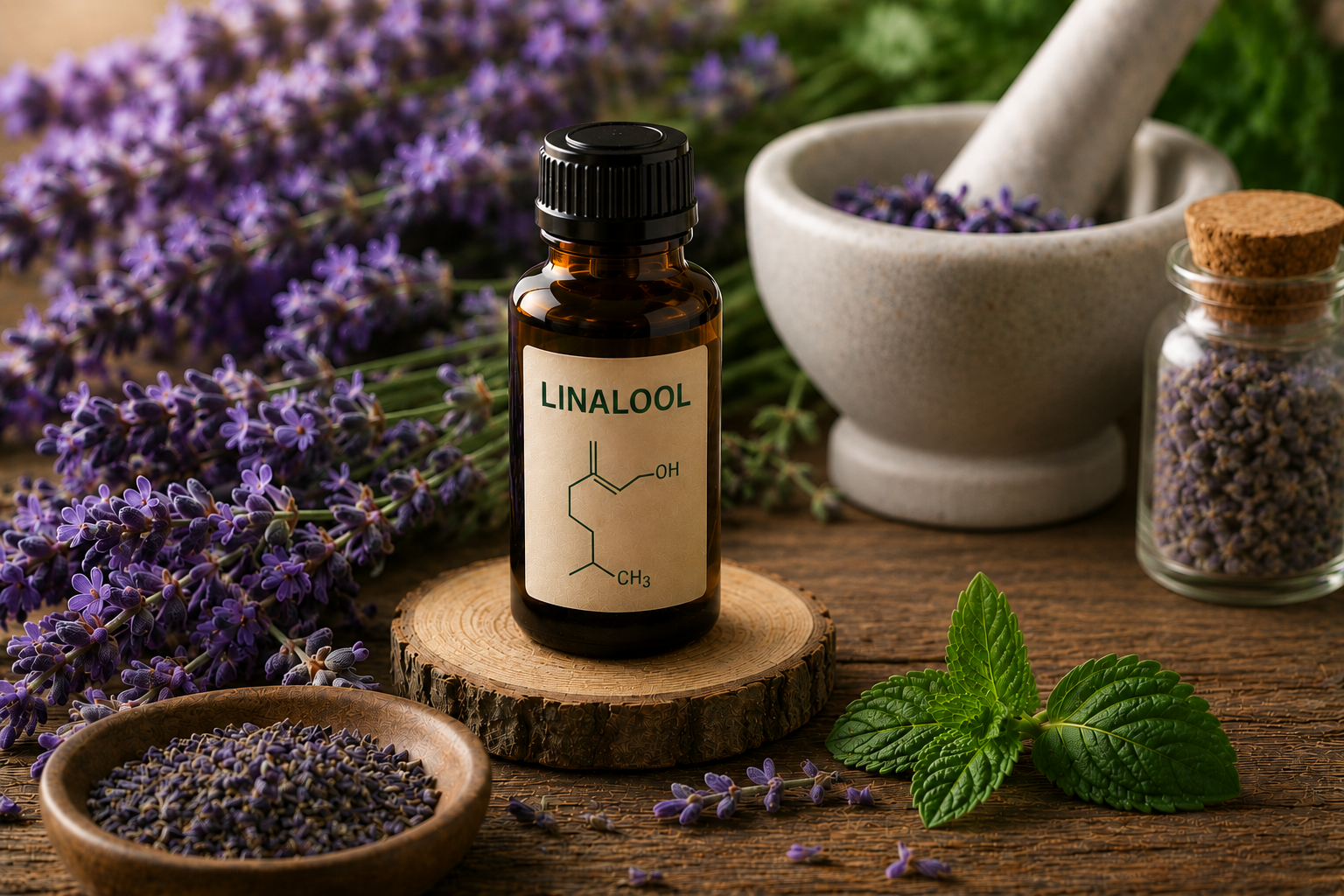
Linalool terpene is a naturally occurring aromatic compound classified as a terpene alcohol. It is most commonly associated with the sweet, floral scent of lavender, but it can also be found in over 200 plant species including mint, basil, coriander, rosewood, and citrus fruits.
This terpene is widely used in:
- Essential oils
- Aromatherapy products
- Cosmetics and perfumes
- Herbal remedies
- Cannabis strains
Its pleasant fragrance and calming effects make linalool terpene one of the most valuable compounds in the wellness and fragrance industries.
1) Linalool Terpene Explained: What Makes This Floral Compound So Popular?

The world of terpenes is filled with fascinating natural compounds, but few are as widely recognized and appreciated as Linalool Terpene. Known for its soft floral aroma and calming effects, Linalool Terpene is a key ingredient in lavender, essential oils, perfumes, and even cannabis strains. Its growing popularity in wellness and aromatherapy industries has made it one of the most talked-about terpenes today.
Why Is Linalool Terpene So Popular?
The popularity of Linalool Terpene comes from its unique combination of aroma and potential wellness benefits. Consumers are increasingly searching for natural solutions for stress relief, relaxation, and better sleep and this floral terpene fits perfectly into that trend.
Pleasant Floral Aroma
One major reason for the popularity of Linalool Terpene is its gentle lavender-like scent. It creates a soothing atmosphere that many people associate with calmness and relaxation.
Natural Stress Relief
Many aromatherapy enthusiasts use products rich in Linalool Terpene to reduce stress and anxiety. Lavender essential oil, which contains high levels of this terpene, is often used during meditation, massage therapy, and bedtime routines.
Growing Cannabis Industry Interest
In cannabis products, Linalool Terpene has gained attention for its relaxing effects and contribution to the entourage effect, where terpenes and cannabinoids work together to influence the overall experience.
Versatility in Consumer Products
From skincare to candles and herbal remedies, Linalool Terpene is widely used because of its natural fragrance and calming properties.
Benefits of Linalool Terpene
Research on Linalool Terpene continues to grow, with several studies suggesting potential therapeutic properties.
Relaxation and Calmness
One of the most recognized benefits of Linalool Terpene is its ability to promote relaxation. Many wellness products include this terpene specifically for calming effects.
Better Sleep Support
Products containing Linalool Terpene are commonly marketed for sleep support because of their soothing aroma.
Anti-Inflammatory Potential
Some scientific studies suggest that Linalool Terpene may possess anti-inflammatory properties that support overall wellness.
Mood Enhancement
The pleasant floral scent of Linalool Terpene may positively influence mood and emotional balance.
Potential Pain Relief
Emerging research indicates that Linalool Terpene may help support comfort and relaxation in the body.
Linalool Terpene in Aromatherapy
Aromatherapy is one of the biggest reasons behind the widespread popularity of Linalool Terpene. Essential oils containing this terpene are frequently used in:
- Diffusers
- Massage oils
- Bath products
- Sleep sprays
- Meditation sessions
Lavender oil remains one of the most popular sources of Linalool Terpene due to its calming and balancing effects.
Cannabis Strains Rich in Linalool Terpene
In the cannabis market, strains high in Linalool Terpene are often chosen for evening use and stress relief.
Popular strains include:
- Lavender Kush
- LA Confidential
- Do-Si-Dos
- Amnesia Haze
These strains are known for their floral aroma and relaxing properties associated with Linalool Terpene.
Common Products Containing Linalool Terpene
Today, Linalool Terpene can be found in many everyday products, including:
- Essential oils
- Perfumes
- Skincare products
- Soaps and shampoos
- Candles
- Herbal supplements
- Cannabis extracts
Its widespread use highlights the growing demand for naturally derived aromatic compounds.
2) Natural Sources of Linalool: Plants, Herbs, and Essential Oils

Among the many aromatic compounds found in nature, Linalool stands out for its pleasant floral scent and calming properties. Commonly associated with lavender, Linalool is a naturally occurring terpene found in numerous plants, herbs, spices, and essential oils. Its soothing aroma and therapeutic potential have made it a popular ingredient in aromatherapy, skincare, wellness products, and perfumes.
Top Natural Sources of Linalool
1. Lavender
Lavender is the most famous natural source of Linalool. The calming scent of lavender essential oil comes largely from its high concentration of this terpene.
Benefits of Lavender Rich in Linalool
- Promotes relaxation
- Supports better sleep
- Helps reduce stress
- Commonly used in aromatherapy
Lavender essential oil remains one of the most popular products containing Linalool worldwide.
2. Basil
Sweet basil contains significant levels of Linalool, contributing to its fresh, floral, and slightly spicy aroma.
Why Basil Is Important
- Used in herbal medicine
- Popular in cooking and teas
- Contains antioxidant compounds
- Frequently used in essential oils
The presence of Linalool gives basil its distinctive fragrance and calming qualities.
3. Coriander
Coriander seeds are another rich source of Linalool. In fact, coriander essential oil often contains a very high percentage of this terpene.
Uses of Coriander Rich in Linalool
- Digestive support
- Herbal remedies
- Aromatherapy applications
- Flavoring in foods and beverages
The sweet and spicy scent of coriander is strongly influenced by Linalool.
4. Mint Plants
Certain mint varieties naturally contain Linalool, adding floral undertones to their refreshing aroma.
Common Mint Sources
- Peppermint
- Spearmint
- Wild mint
These herbs are commonly used in teas, essential oils, and wellness products that benefit from the presence of Linalool.
5. Rosewood
Rosewood essential oil is highly valued for its soft floral scent and rich Linalool content.
Benefits of Rosewood Oil
- Relaxation support
- Skin care applications
- Aromatherapy uses
- Perfume ingredient
Because of its high concentration of Linalool, rosewood oil is often used in luxury fragrances.
6. Citrus Fruits
Several citrus plants naturally produce Linalool, especially in their peels and blossoms.
Citrus Sources of Linalool
- Orange blossoms
- Lemon peel
- Bergamot
- Lime flowers
These citrus aromas combine freshness with subtle floral notes created by Linalool.
7. Cannabis Plants
Certain cannabis strains are rich in Linalool, making them popular among users seeking relaxation and calming effects.
Cannabis Strains High in Linalool
- Lavender Kush
- Do-Si-Dos
- LA Confidential
- Amnesia Haze
The floral aroma of these strains is largely influenced by Linalool.
Essential Oils Rich in Linalool
Many essential oils contain high levels of Linalool, making them popular in natural wellness and beauty products.
Popular Essential Oils Containing Linalool
- Lavender oil
- Coriander oil
- Basil oil
- Rosewood oil
- Bergamot oil
- Neroli oil
These oils are commonly used in:
- Diffusers
- Massage oils
- Candles
- Sleep sprays
- Skincare products
Benefits of Linalool in Natural Wellness
The growing popularity of Linalool comes from its potential wellness benefits and pleasant aroma.
Stress Relief
One of the main reasons people use Linalool-rich essential oils is to promote calmness and reduce everyday stress.
Better Sleep Support
Lavender and other Linalool-containing oils are commonly included in sleep products and bedtime routines.
Aromatherapy Applications
The soothing scent of Linalool makes it a staple ingredient in aromatherapy sessions designed for relaxation and mindfulness.
Skin and Beauty Products
Many skincare products use Linalool for both fragrance and its potential soothing properties.
3) What Does Linalool Smell Like? Exploring Its Floral Lavender Aroma

Among the many fascinating Terpenes found in nature, Linalool stands out for its soft floral fragrance and calming sensory experience. Commonly associated with lavender, Linalool is one of the most recognizable Terpenes used in aromatherapy, perfumes, essential oils, and cannabis products. Its soothing scent has made it a favorite ingredient in wellness and beauty industries worldwide.
The aroma of Linalool is commonly described as:
- Floral
- Lavender-like
- Sweet
- Fresh
- Slightly spicy
- Soft and calming
Unlike stronger earthy or citrus-heavy Terpenes, Linalool has a gentle and delicate fragrance that creates a relaxing atmosphere.
The Signature Lavender Aroma
The scent most associated with Linalool is lavender. This floral terpene gives lavender plants their iconic calming fragrance that people instantly recognize in essential oils, candles, and spa products.
The lavender-like aroma of Linalool is:
- Smooth and soothing
- Lightly herbal
- Fresh and clean
- Comforting and peaceful
This is one reason why Linalool-rich Terpenes are widely used in relaxation and sleep-support products.
Why Are Floral Terpenes Like Linalool So Popular?
The growing interest in Terpenes has increased awareness of aromatic compounds like Linalool. Floral Terpenes are especially popular because they provide both fragrance and potential wellness benefits.
Relaxation and Calmness
Many people associate Linalool with stress relief and emotional relaxation. Products rich in floral Terpenes are commonly used during meditation, massage therapy, and bedtime routines.
Aromatherapy Benefits
Aromatherapy heavily relies on Terpenes such as Linalool because of their soothing sensory effects. Lavender essential oil is one of the most common aromatherapy products containing high concentrations of this terpene.
Popular in Beauty and Wellness Products
The pleasant scent of Linalool makes it a common ingredient in:
- Perfumes
- Soaps
- Candles
- Skincare products
- Bath products
- Essential oil blends
Its soft floral aroma blends beautifully with many other Terpenes and botanical fragrances.
Natural Sources of Linalool Terpenes
Several plants naturally produce high amounts of Linalool, making them valuable sources of floral Terpenes.
Lavender
Lavender remains the most famous source of Linalool Terpenes, widely used in essential oils and wellness products.
Basil
Sweet basil contains floral and slightly spicy Terpenes, including Linalool, which enhance its aroma.
Coriander
Coriander seeds are rich in Linalool, giving them their sweet herbal fragrance.
Citrus Blossoms
Orange blossoms and bergamot contain floral Terpenes that contribute fresh and uplifting notes.
Cannabis Strains
Certain cannabis strains are rich in Linalool Terpenes, producing floral aromas associated with relaxation.
Linalool in Cannabis and Terpenes
In cannabis products, Terpenes play a major role in aroma, flavor, and user experience. Linalool is considered one of the most relaxing cannabis Terpenes.
Popular Cannabis Strains High in Linalool
- Lavender Kush
- Do-Si-Dos
- LA Confidential
- Amnesia Haze
These strains often feature calming floral aromas because of their high concentration of Linalool Terpenes.
4) How Linalool Terpene Is Used in Aromatherapy and Wellness Products
Aromatherapy relies heavily on natural Terpenes because scent can influence mood, emotions, and relaxation. The gentle floral fragrance of Linalool Terpene makes it one of the most widely used aromatic compounds in wellness practices.
Relaxing Lavender Aroma
The scent of Linalool Terpene is commonly described as:
- Floral
- Lavender-like
- Sweet
- Soft and fresh
- Lightly herbal
This calming fragrance is ideal for creating peaceful and relaxing environments.
Emotional Wellness Support
Many people use products containing Linalool Terpene during meditation, yoga, or bedtime routines because floral Terpenes are often associated with calmness and relaxation.
Popular in Essential Oils
Lavender essential oil is one of the most popular aromatherapy products because it contains high concentrations of Linalool Terpene.
Common Aromatherapy Uses of Linalool Terpene
Essential Oil Diffusers
One of the most common uses of Linalool Terpene is in essential oil diffusers. When dispersed into the air, floral Terpenes create a calming atmosphere often used for:
- Relaxation
- Stress reduction
- Sleep support
- Meditation spaces
Lavender oil remains the leading diffuser oil rich in Linalool Terpene.
Massage Oils
Massage therapy products frequently include Linalool Terpene because of its soothing scent and relaxing sensory profile.
Massage oils containing floral Terpenes may help create:
- A spa-like experience
- A calming environment
- Enhanced relaxation during massage sessions
Sleep and Relaxation Products
Because of its association with calmness, Linalool Terpene is commonly used in:
- Pillow sprays
- Bedtime mists
- Relaxation candles
- Bath products
- Sleep-support essential oil blends
These wellness products use floral Terpenes to encourage a peaceful nighttime routine.
Linalool Terpene in Wellness Products
Beyond aromatherapy, Linalool Terpene is widely used in beauty, skincare, and natural wellness industries.
Skincare Products
Many skincare brands incorporate Linalool Terpene into lotions, creams, and serums for its pleasant fragrance and botanical appeal.
Products containing floral Terpenes are often marketed as:
- Relaxing
- Spa-inspired
- Naturally scented
- Botanical-based
Candles and Home Fragrance
The floral aroma of Linalool Terpene is highly popular in:
- Scented candles
- Wax melts
- Air fresheners
- Home fragrance sprays
These products use calming Terpenes to create a relaxing atmosphere at home.
Herbal and Wellness Formulas
Many herbal wellness products contain Terpenes such as Linalool because consumers increasingly prefer plant-based ingredients.
These include:
- Herbal oils
- Aromatic balms
- Natural roll-ons
- Botanical wellness blends
Natural Sources of Linalool Terpene
Several plants naturally produce high levels of floral Terpenes like Linalool.
Lavender
The most famous source of Linalool Terpene, lavender is widely used in aromatherapy and sleep products.
Basil
Sweet basil contains floral and herbal Terpenes that contribute to its unique aroma.
Coriander
Coriander seeds are naturally rich in Linalool Terpene, giving them a sweet spicy scent.
Citrus Blossoms
Orange blossom and bergamot contain floral Terpenes with fresh uplifting aromas.
5) Benefits of Linalool: Relaxation, Stress Relief, and Mood Support

Among the many naturally occurring Terpenes found in plants, Linalool has gained widespread attention for its calming aroma and wellness-related benefits. Commonly associated with lavender, this floral terpene is widely used in aromatherapy, essential oils, skincare, and wellness products designed to promote relaxation and emotional balance.
As interest in plant-based wellness grows, more people are discovering how Terpenes like Linalool may help support relaxation, reduce stress, and create a calming sensory experience.
The Most Popular Benefits of Linalool
1. Relaxation Support
One of the biggest reasons people seek out Linalool Terpenes is for relaxation. The floral aroma of this terpene is commonly associated with calmness and tranquility.
How Linalool Promotes Relaxation
- Creates a soothing atmosphere
- Enhances aromatherapy experiences
- Commonly used during meditation and yoga
- Supports calming bedtime routines
Products rich in floral Terpenes are frequently used in wellness spaces designed for comfort and peace.
2. Stress Relief Benefits
Stress management is one of the most common wellness goals today, and Linalool has become a popular terpene in products aimed at promoting emotional relaxation.
Why Linalool Terpenes Are Used for Stress Relief
The calming scent of Linalool may help users feel more relaxed and emotionally balanced.
Common stress-relief products containing Linalool Terpenes include:
- Lavender essential oils
- Aromatherapy diffusers
- Massage oils
- Relaxation candles
- Herbal wellness sprays
Because scent strongly influences mood, floral Terpenes like Linalool are widely used in calming self-care routines.
3. Mood Support
Another major benefit associated with Linalool Terpenes is mood support. Aromatic compounds found in nature can create positive sensory experiences that influence emotional well-being.
Mood-Boosting Aromatherapy
Many wellness products use Linalool because its soft floral aroma is:
- Comforting
- Uplifting
- Peaceful
- Emotionally soothing
The scent of lavender-rich Terpenes is commonly used to create relaxing environments at home, spas, and wellness centers.
Why Terpenes Matter in Wellness Products
The growing interest in Terpenes comes from their role in plant aromas, flavors, and wellness experiences. While cannabinoids often receive attention in cannabis discussions, Terpenes are equally important because they shape the sensory and aromatic effects of many natural products.
Popular Uses of Terpenes
- Aromatherapy
- Essential oils
- Herbal wellness
- Skincare products
- Fragrance products
- Cannabis strains
Among all floral Terpenes, Linalool remains one of the most valued for relaxation-focused products.
Linalool in Aromatherapy
Aromatherapy is one of the most common applications of Linalool Terpenes.
Essential Oil Diffusers
Lavender oil rich in Linalool is commonly used in diffusers to create calming indoor environments.
Benefits of Aromatherapy With Linalool
- Promotes relaxation
- Supports emotional calmness
- Enhances self-care routines
- Encourages a peaceful atmosphere
6) Safety and Side Effects of Linalool: What You Should Know
As interest in natural wellness continues to grow, more people are learning about Terpenes and their role in aromatherapy, skincare, essential oils, and cannabis products. One of the most popular floral Terpenes is Linalool, a naturally occurring aromatic compound known for its calming lavender-like scent.
While Linalool is widely used in wellness and beauty products, many consumers want to better understand the safety and possible side effects of this terpene.
Are Linalool Terpenes Safe?
In general, Linalool is considered safe when used appropriately in cosmetics, aromatherapy, and consumer wellness products. Regulatory agencies around the world allow the use of Linalool Terpenes in fragrances and personal care items.
However, like many natural ingredients and Terpenes, improper use or overexposure may lead to unwanted reactions in some individuals.
Common Uses of Linalool Terpenes
Understanding how Linalool is commonly used can help explain why safety awareness is important.
Aromatherapy
Lavender essential oil rich in Linalool Terpenes is widely used for:
- Relaxation
- Stress relief
- Meditation
- Sleep support
Skincare and Cosmetics
Many beauty products contain floral Terpenes like Linalool because of their pleasant fragrance.
Cannabis Products
In cannabis, Terpenes such as Linalool contribute to aroma and sensory experience.
Home Fragrance Products
Candles, diffusers, and sprays often contain Linalool for its calming floral scent.
Potential Side Effects of Linalool
Although Linalool Terpenes are generally safe for most people, some individuals may experience mild side effects depending on sensitivity and exposure levels.
1. Skin Irritation
One of the most common concerns with Linalool is skin sensitivity.
Possible Symptoms
- Redness
- Itching
- Mild irritation
- Rash
This usually happens when concentrated essential oils containing Linalool Terpenes are applied directly to the skin without proper dilution.
Safety Tip
Always dilute essential oils before topical use.
2. Allergic Reactions
Some people may develop allergic reactions to oxidized Linalool. Oxidation can occur when essential oils are exposed to air and light for long periods.
Signs of Allergy
- Skin irritation
- Burning sensation
- Contact dermatitis
Using fresh, properly stored products containing Terpenes can help reduce this risk.
3. Sensitivity to Fragrances
People with fragrance sensitivities may react to products rich in floral Terpenes like Linalool.
Possible Reactions
- Headaches
- Sneezing
- Mild respiratory discomfort
Choosing fragrance-free or low-scent products may help individuals with sensitivities.
4. Overexposure to Essential Oils
Using excessive amounts of concentrated essential oils rich in Linalool may cause discomfort in some individuals.
Best Practice
Moderation is important when using products containing strong aromatic Terpenes.
How to Safely Use Products with Linalool Terpenes
To safely enjoy the benefits of Linalool, it’s important to follow proper usage guidelines.
Dilute Essential Oils
Always dilute concentrated oils before applying them to the skin.
Perform a Patch Test
Before using a new skincare or aromatherapy product, perform a small patch test to check for sensitivity.
Store Products Properly
Store products containing Terpenes in cool, dark places to reduce oxidation and maintain freshness.
Purchase High-Quality Products
Choose reputable brands that use properly formulated terpene products.
Why Terpenes Matter in Wellness Products
The popularity of Terpenes has grown significantly because they contribute to:
- Aroma
- Flavor
- Sensory experience
- Botanical wellness products
Floral Terpenes like Linalool are especially valued for their relaxing fragrance and versatility in self-care products.
7) Why Linalool Matters: The Growing Popularity of Floral Terpenes in Everyday Products
In recent years, consumer interest in natural wellness, botanical ingredients, and aromatic compounds has grown dramatically. At the center of this trend are Terpenes, the naturally occurring compounds responsible for the distinctive scents and flavors of plants. Among the many types of Terpenes, one floral compound stands out for its soothing aroma and wide-ranging applications Linalool.
Known for its soft lavender-like scent, Linalool has become one of the most popular floral Terpenes used in aromatherapy, skincare, essential oils, cannabis products, and home fragrances. From wellness routines to beauty products, the influence of Linalool Terpenes can now be found in countless everyday items.
Why Floral Terpenes Are Becoming So Popular
The demand for natural ingredients has significantly increased interest in floral Terpenes like Linalool.
Consumers Prefer Natural Aromas
Modern consumers are increasingly seeking plant-based products with naturally derived fragrances instead of synthetic scents. Floral Terpenes provide:
- Fresh botanical aromas
- Relaxing sensory experiences
- Nature-inspired wellness solutions
As a result, Linalool Terpenes are now widely used in products marketed for calmness and self-care.
The Rise of Wellness Culture
The wellness industry has embraced Terpenes because aroma is strongly connected to emotional and sensory experiences.
Products containing Linalool are often associated with:
- Relaxation
- Stress relief
- Sleep support
- Mindfulness routines
- Spa-inspired experiences
This connection has made floral Terpenes highly desirable in everyday wellness products.
Everyday Products That Use Linalool Terpenes
One reason Linalool matters so much is its growing presence across multiple industries.
Aromatherapy Products
Aromatherapy remains one of the largest markets for floral Terpenes.
Popular Aromatherapy Products
- Lavender essential oils
- Diffuser blends
- Relaxation sprays
- Massage oils
- Meditation candles
The calming scent of Linalool makes these products especially popular for relaxation routines.
Skincare and Beauty Products
Many skincare brands use Linalool Terpenes to create botanical-inspired products with pleasant floral aromas.
Common Beauty Products Containing Linalool
- Lotions
- Creams
- Serums
- Soaps
- Bath products
- Perfumes
Consumers often associate floral Terpenes with luxury and spa-quality experiences.
Home Fragrance Products
The home fragrance industry increasingly relies on natural Terpenes to create calming indoor environments.
Popular Home Products
- Scented candles
- Room sprays
- Wax melts
- Diffusers
- Air fresheners
The soft lavender aroma of Linalool is particularly popular in relaxation-focused home products.
Linalool Terpenes in Cannabis Products
The cannabis industry has also contributed to the growing popularity of Terpenes. Consumers now pay close attention to terpene profiles when choosing cannabis strains and products.
Why Cannabis Users Value Linalool
- Floral aroma
- Relaxing sensory profile
- Calming experience
- Pleasant fragrance
Popular Cannabis Strains Rich in Linalool
- Lavender Kush
- Do-Si-Dos
- LA Confidential
- Amnesia Haze
These strains are often chosen by users who enjoy floral Terpenes and soothing aromatic experiences.
Why the Future of Terpenes Looks Bright
The global demand for plant-based wellness products continues to grow, and Terpenes are becoming an important part of that movement.
Consumers today are actively searching for:
- Natural fragrances
- Botanical ingredients
- Aromatherapy solutions
- Plant-based self-care products
- Clean beauty alternatives
As awareness increases, floral Terpenes like Linalool are expected to become even more important across wellness, beauty, and lifestyle industries.


