

Table of Contents:
1. Introduction to D-Limonene in Consumer Products
2. Aroma and Sensory Benefits in Formulations
3. Applications in Flavor Manufacturing
4. Role in Fragrance Development
5. Use in Cosmetic and Personal Care Products
6. Formulation Considerations and Stability Factors
7. Regulatory Compliance and Market Trends
1) Introduction to D-Limonene in Consumer Products

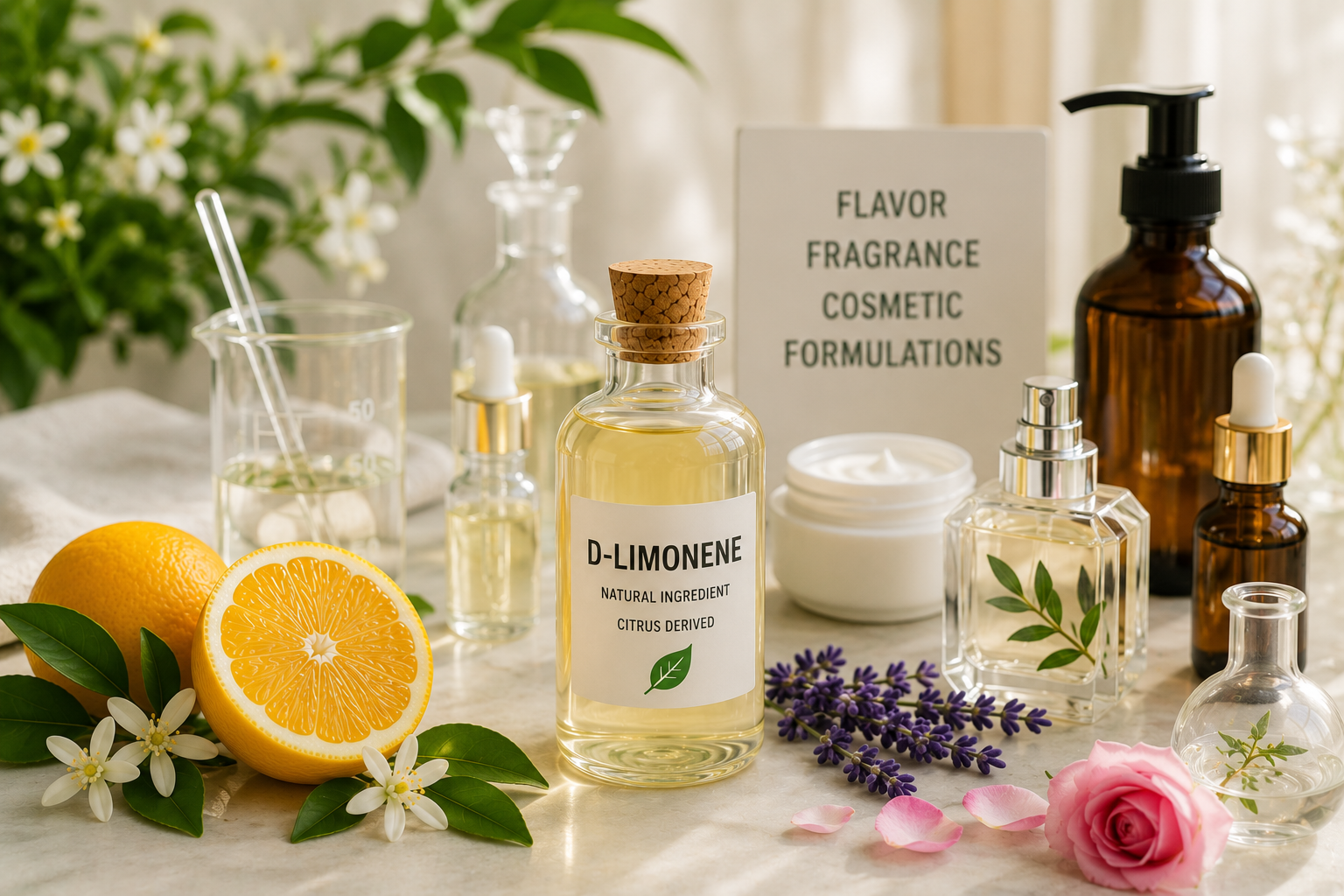
D-Limonene is a naturally occurring compound found in the peels of citrus fruits such as oranges, lemons, limes, and grapefruits. Classified as a terpene hydrocarbon, this colorless liquid is responsible for the refreshing citrus aroma that many consumers associate with cleanliness and freshness. Due to its pleasant scent, effective solvent properties, and eco-friendly profile, D-Limonene has become a highly valued ingredient in a wide range of consumer products.
In recent years, manufacturers have increasingly incorporated D-Limonene into household cleaners, personal care items, food products, and industrial formulations. Its natural origin and multifunctional benefits make it an attractive alternative to synthetic chemicals, especially as consumers seek more sustainable and environmentally responsible products.
The Growing Popularity of D-Limonene
The demand for natural ingredients and green cleaning solutions has fueled the growth of D-Limonene in the global market. Consumers are becoming more conscious of the ingredients used in everyday products and are actively choosing options that are safer for both human health and the environment.
As a result, D-Limonene-based products are gaining popularity in sectors such as:
- Household cleaning products
- Personal care and cosmetics
- Food and beverage flavorings
- Air fresheners
- Industrial degreasers
- Agricultural formulations
The increasing focus on sustainability and renewable resources continues to drive innovation involving D-Limonene applications.
Natural Source of D-Limonene
One of the key advantages of D-Limonene is its renewable origin. It is extracted primarily from citrus fruit peels, which are often byproducts of the juice industry. This means that manufacturers can utilize waste materials efficiently while creating valuable ingredients for commercial applications.
The extraction process typically involves:
- Collection of citrus peels.
- Cold pressing or steam distillation.
- Purification of the extracted oil.
- Isolation of D-Limonene for commercial use.
This sustainable sourcing method aligns with modern environmental goals and contributes to the circular economy.
D-Limonene in Household Cleaning Products
Perhaps the most well-known application of D-Limonene is in household cleaners. Thanks to its powerful solvent properties, it effectively dissolves grease, oil, adhesives, and stubborn residues.
Common cleaning products containing D-Limonene include:
- All-purpose cleaners
- Kitchen degreasers
- Glass cleaners
- Floor cleaners
- Furniture polish
- Carpet stain removers
Unlike many petroleum-based solvents, D-Limonene cleaners provide a fresh citrus fragrance while reducing dependence on harsh synthetic chemicals.
Benefits in Cleaning Products
- Excellent grease-cutting ability
- Pleasant citrus aroma
- Biodegradable characteristics
- Reduced environmental impact
- Renewable plant-based source
These benefits make D-Limonene cleaning products increasingly attractive to eco-conscious consumers.
Role of D-Limonene in Personal Care Products
The personal care industry extensively utilizes D-Limonene for both fragrance and functional purposes. Consumers often encounter it in:
- Shampoos
- Conditioners
- Body washes
- Lotions
- Perfumes
- Deodorants
- Facial cleansers
Its fresh scent contributes to product appeal, while its natural origin supports clean-label formulations that many consumers prefer.
Why Cosmetic Manufacturers Use D-Limonene
Personal care brands value D-Limonene because it:
- Provides a natural citrus fragrance.
- Enhances sensory experiences.
- Supports natural product marketing.
- Blends well with essential oils.
- Is derived from renewable resources.
As demand for natural cosmetics continues to grow, D-Limonene remains a popular ingredient among formulators.
D-Limonene in Food and Beverage Applications
In the food industry, D-Limonene serves as a natural flavoring agent. It contributes citrus notes to a variety of products, including:
- Soft drinks
- Candy
- Chewing gum
- Baked goods
- Ice cream
- Nutritional supplements
Consumers increasingly prefer products containing natural flavors, making food-grade D-Limonene an attractive ingredient for manufacturers seeking clean-label alternatives.
Benefits in Food Products
- Natural citrus flavor enhancement
- Consumer-friendly ingredient profile
- Derived from fruit sources
- Supports clean-label trends
- Versatile flavoring capabilities
The use of D-Limonene in food products reflects the broader shift toward natural ingredients throughout the food and beverage sector.
Environmental Benefits of D-Limonene
One of the strongest selling points of D-Limonene is its environmental profile. Compared to many petroleum-derived solvents, D-Limonene offers several ecological advantages.
Sustainability Advantages
- Derived from renewable citrus resources
- Biodegradable under appropriate conditions
- Reduced reliance on fossil fuels
- Utilizes agricultural byproducts
- Lower environmental footprint
These characteristics make D-Limonene a preferred ingredient for companies pursuing sustainability initiatives and environmentally friendly product lines.
Industrial Uses of D-Limonene
Beyond consumer applications, D-Limonene is widely used in industrial settings. Its strong solvency makes it effective for:
- Adhesive removal
- Metal cleaning
- Equipment degreasing
- Paint stripping
- Ink removal
- Manufacturing processes
Industries seeking safer alternatives to traditional solvents often consider D-Limonene-based solvents due to their performance and renewable origin.
2) Aroma and Sensory Benefits in Formulations

In today's highly competitive marketplace, product performance alone is no longer enough to capture consumer attention. Modern consumers seek products that deliver engaging experiences, making aroma and sensory benefits in formulations a critical factor in product development. Whether in personal care products, household cleaners, cosmetics, food and beverage formulations, or fragrance applications, sensory characteristics significantly influence purchasing decisions and brand loyalty.
The combination of pleasant scents, appealing textures, and satisfying user experiences can transform an ordinary product into a memorable one. As a result, manufacturers increasingly focus on optimizing sensory formulations to enhance customer satisfaction and product differentiation.
Understanding Aroma in Product Formulations
Aroma refers to the scent or fragrance perceived through the olfactory system. It is one of the most powerful sensory triggers and can strongly influence emotions, memories, and consumer preferences.
In product development, carefully selected aromatic ingredients contribute to:
- Enhanced product appeal
- Positive emotional responses
- Improved user experience
- Brand recognition
- Increased consumer satisfaction
Today, industries ranging from cosmetics manufacturing to household product formulations rely heavily on aroma-enhancing ingredients to create desirable consumer experiences.
Why Sensory Benefits Matter in Formulations
Sensory perception encompasses multiple factors, including:
- Smell
- Touch
- Appearance
- Texture
- Taste (for food products)
- Sound (in certain applications)
The overall sensory experience determines how consumers perceive product quality. Products that deliver superior sensory benefits are often viewed as more effective, luxurious, and trustworthy.
Key Advantages of Sensory Optimization
- Improved customer satisfaction
- Increased product acceptance
- Enhanced user engagement
- Stronger brand loyalty
- Greater market competitiveness
As consumer expectations continue to evolve, companies are investing more resources into developing advanced sensory formulation technologies.
The Role of Fragrance Ingredients in Consumer Products
One of the most important aspects of sensory design is the use of fragrance ingredients. Carefully selected aromatic compounds help create distinctive product identities while improving overall user perception.
Common applications include:
Personal Care Products
- Shampoos
- Conditioners
- Body washes
- Lotions
- Deodorants
- Facial cleansers
Household Cleaning Products
- Multi-purpose cleaners
- Dishwashing liquids
- Laundry detergents
- Surface disinfectants
- Air fresheners
Cosmetics and Beauty Products
- Perfumes
- Makeup products
- Skincare formulations
- Hair styling products
The strategic use of fragrance formulations allows brands to create unique sensory signatures that consumers recognize and remember.
How Aroma Influences Consumer Behavior
Research consistently shows that pleasant aromas influence purchasing decisions and customer perceptions. Scent has a direct connection to the brain's emotional processing centers, making it a powerful marketing and formulation tool.
Effects of Positive Aromas
- Increased product attractiveness
- Improved perception of cleanliness
- Enhanced feelings of freshness
- Greater emotional connection to brands
- Higher repurchase rates
Consumers often associate citrus scents with cleanliness, floral notes with luxury, and herbal aromas with natural wellness. These associations can significantly impact product success.
Importance of Natural Aroma Ingredients
The growing demand for sustainable and clean-label products has increased interest in natural aroma ingredients. Consumers are increasingly seeking formulations that contain ingredients derived from plants, fruits, herbs, and essential oils.
Popular natural aroma sources include:
- Citrus extracts
- Essential oils
- Botanical extracts
- Herbal distillates
- Floral compounds
The use of natural fragrance ingredients aligns with current consumer trends emphasizing sustainability, transparency, and wellness.
Sensory Benefits Beyond Fragrance
While aroma plays a major role, sensory benefits in formulations extend far beyond scent alone.
Texture Enhancement
Texture significantly influences consumer perception. Formulators carefully design products to achieve desirable characteristics such as:
- Smooth application
- Non-greasy feel
- Silky finish
- Lightweight texture
- Fast absorption
In skincare and cosmetic products, texture often determines whether consumers continue using a product long-term.
Visual Appeal
Appearance contributes to first impressions. Important visual elements include:
- Product color
- Transparency
- Consistency
- Packaging compatibility
- Surface aesthetics
Visually appealing formulations create expectations of quality and effectiveness.
Tactile Experience
The physical feel of a product during use contributes substantially to customer satisfaction. Soft, luxurious, and comfortable textures enhance overall product acceptance.
Aroma in Household Cleaning Formulations
The cleaning industry relies heavily on aroma-enhancing formulations. Consumers often judge cleaning effectiveness based on scent, even when fragrance has no direct impact on cleaning performance.
Popular fragrance categories include:
- Citrus fragrances
- Fresh linen scents
- Floral aromas
- Herbal notes
- Ocean-inspired fragrances
These sensory cues help reinforce perceptions of cleanliness, freshness, and hygiene.
Sensory Innovation in Personal Care Formulations
The personal care sector continues to drive innovation in sensory product development. Modern consumers expect products that deliver both performance and enjoyable experiences.
Current trends include:
- Long-lasting fragrances
- Natural scent profiles
- Multifunctional sensory ingredients
- Mood-enhancing aromas
- Wellness-focused formulations
Brands that successfully integrate advanced sensory technologies often achieve stronger consumer engagement and market differentiation.
Benefits of Optimized Aroma and Sensory Formulations
Enhanced Consumer Experience
Products with superior aroma and sensory benefits provide more enjoyable daily experiences, encouraging repeat purchases.
Stronger Brand Recognition
Unique fragrance profiles can become synonymous with a brand, strengthening consumer recall and loyalty.
Increased Product Value
Consumers frequently perceive products with premium sensory characteristics as higher quality and worth a premium price.
Competitive Market Advantage
In crowded markets, exceptional sensory formulations help products stand out from competitors and attract consumer attention.
Future Trends in Aroma and Sensory Science
Advancements in formulation science continue to shape the future of aroma and sensory innovation.
Emerging developments include:
- Sustainable fragrance technologies
- Bio-based aroma ingredients
- Personalized scent experiences
- Advanced encapsulation systems
- Smart fragrance release technologies
- Eco-friendly sensory solutions
As consumer expectations evolve, manufacturers will continue investing in innovative approaches to improve the overall sensory experience.
3) Applications in Flavor Manufacturing

Flavor manufacturing plays a vital role in the global food, beverage, nutraceutical, confectionery, and pharmaceutical industries. From refreshing citrus drinks to baked goods, candies, dairy products, sauces, supplements, and oral care products, flavors help create memorable sensory experiences that influence consumer preference and brand loyalty.
As consumer demand grows for natural flavors, clean-label ingredients, and high-quality taste experiences, manufacturers are continuously improving their formulation methods. The applications of flavor manufacturing extend far beyond adding taste. They support product identity, improve palatability, enhance aroma, mask undesirable notes, and create consistent sensory profiles across large-scale production.
What is Flavor Manufacturing?
Flavor manufacturing is the process of designing, blending, and producing flavor systems used in food, beverage, and consumer product applications. These systems may include natural flavor compounds, essential oils, aroma chemicals, extracts, distillates, emulsions, powders, and liquid concentrates.
The goal of flavor formulation is to achieve a balanced sensory profile that delivers the desired taste and aroma in the final product. Flavor manufacturers work closely with food technologists, beverage developers, cosmetic formulators, and product innovation teams to create solutions that meet both technical and consumer expectations.
Importance of Flavor Manufacturing in Consumer Products
Modern consumers expect products that taste appealing, smell pleasant, and provide consistent quality every time. This makes flavor manufacturing applications essential for product success.
Key benefits include:
- Improving product taste
- Enhancing aroma and mouthfeel
- Masking bitterness or off-notes
- Supporting brand differentiation
- Creating consistent flavor profiles
- Improving consumer acceptance
- Supporting clean-label product development
In competitive markets, the right flavor solution can determine whether a product succeeds or fails.
Natural Flavors in Flavor Manufacturing
One of the fastest-growing areas in flavor manufacturing is the use of natural flavors. Consumers increasingly prefer ingredients derived from recognizable sources such as fruits, herbs, spices, plants, and botanicals.
Common natural flavor sources include:
- Citrus oils
- Fruit extracts
- Herbal extracts
- Spice oleoresins
- Botanical distillates
- Fermentation-derived compounds
The demand for natural flavor ingredients continues to grow as brands seek cleaner ingredient labels and more transparent product positioning.
Applications in the Food Industry
The food industry relies heavily on flavor manufacturing to create appealing products across many categories.
Bakery Products
In bakery applications, flavors are used to enhance products such as cakes, cookies, pastries, biscuits, muffins, and bread. Popular flavor profiles include vanilla, butter, chocolate, fruit, cinnamon, caramel, and citrus.
Flavor manufacturing helps bakery brands achieve:
- Consistent taste
- Heat-stable flavor performance
- Improved aroma during baking
- Premium product positioning
- Longer-lasting sensory appeal
Confectionery Products
Candy, chewing gum, gummies, chocolates, and hard sweets depend on strong and stable flavor systems. In confectionery flavor manufacturing, flavors must remain appealing throughout processing, storage, and consumption.
Common confectionery flavors include:
- Strawberry
- Orange
- Lemon
- Mint
- Cola
- Raspberry
- Tropical fruit
- Caramel
Flavor manufacturers develop solutions that deliver instant impact, long-lasting taste, and excellent stability.
Dairy Products
In dairy applications, flavors are used in yogurt, ice cream, flavored milk, desserts, creamers, and cheese-based products. The right flavor formulation improves taste, balances sweetness, and enhances creaminess.
Popular dairy flavor profiles include:
- Vanilla
- Chocolate
- Strawberry
- Mango
- Coffee
- Caramel
- Coconut
Flavor manufacturing applications in dairy products require careful attention to fat content, acidity, processing temperature, and storage stability.
Savory Foods
Savory products such as soups, sauces, snacks, dressings, marinades, instant noodles, and ready meals rely on complex flavor systems. These products often require layered taste profiles, including salty, umami, spicy, roasted, smoky, herbal, and meaty notes.
In savory applications, flavor manufacturing supports:
- Taste enhancement
- Umami development
- Salt reduction strategies
- Off-note masking
- Authentic regional flavors
- Consistent batch-to-batch quality
Applications in the Beverage Industry
The beverage industry is one of the largest users of flavor manufacturing solutions. Beverages require flavor systems that are stable, soluble, refreshing, and compatible with sweeteners, acids, colors, preservatives, and carbonation.
Carbonated Drinks
Carbonated beverages use flavors such as cola, lemon-lime, orange, ginger, berry, and tropical fruit. Flavor manufacturers develop concentrated systems that perform well under carbonation and acidic conditions.
Juices and Nectar Drinks
Fruit beverages require natural, juicy, and authentic flavor profiles. Flavor manufacturing helps improve fruit character, restore aroma lost during processing, and enhance overall freshness.
Energy Drinks
Energy drinks often contain vitamins, caffeine, botanical extracts, and functional ingredients that can create bitterness. Flavor masking solutions are used to improve drinkability and consumer acceptance.
Functional Beverages
The growing market for health-focused drinks has increased demand for flavors that work with proteins, minerals, fibers, probiotics, plant extracts, and other active ingredients.
In functional beverage formulations, flavors are used to:
- Mask bitterness
- Improve sweetness perception
- Balance acidity
- Enhance fruit notes
- Improve mouthfeel
- Support wellness positioning
Flavor Masking Applications
One of the most important applications in flavor manufacturing is flavor masking. Many functional ingredients have unpleasant taste characteristics, including bitterness, metallic notes, earthy notes, or astringency.
Common ingredients requiring masking include:
- Vitamins
- Minerals
- Plant proteins
- Herbal extracts
- Amino acids
- Caffeine
- Collagen
- Probiotics
- Pharmaceutical actives
Flavor masking technologies help make functional foods, supplements, and medicines more acceptable to consumers.
Applications in Nutraceuticals and Supplements
The nutraceutical industry uses flavor manufacturing to improve the sensory quality of powders, tablets, gummies, syrups, capsules, protein drinks, and wellness products.
Popular supplement formats include:
- Protein powders
- Effervescent tablets
- Multivitamin gummies
- Liquid supplements
- Collagen drinks
- Electrolyte powders
- Herbal syrups
Because many active ingredients have strong or unpleasant tastes, flavor formulation is essential for improving compliance and repeat purchase.
Applications in Pharmaceutical Products
In pharmaceutical applications, flavors help improve the taste of medicines, especially pediatric syrups, chewable tablets, lozenges, oral suspensions, and medicated gummies.
Pharmaceutical flavor manufacturing supports:
- Better patient acceptance
- Improved taste masking
- Child-friendly formulations
- Consistent sensory quality
- Compatibility with active ingredients
Common pharmaceutical flavor profiles include cherry, orange, strawberry, mint, grape, raspberry, and bubblegum.
Citrus Flavors in Manufacturing
Citrus flavors are among the most widely used flavor profiles in global product development. Lemon, lime, orange, grapefruit, mandarin, and bergamot flavors are popular because they provide freshness, brightness, and strong consumer appeal.
Applications of citrus flavor manufacturing include:
- Soft drinks
- Juices
- Candies
- Chewing gum
- Bakery fillings
- Dairy desserts
- Oral care products
- Cleaning product fragrances
Citrus flavors are especially valued for their refreshing sensory impact and compatibility with many product categories.
Flavor Emulsions and Their Applications
Flavor emulsions are important in beverage and food applications where oil-based flavor ingredients need to be dispersed in water-based systems. They are commonly used in soft drinks, juices, syrups, sauces, and confectionery products.
Benefits of flavor emulsions include:
- Improved flavor dispersion
- Better product stability
- Enhanced appearance
- Controlled release
- Consistent taste delivery
Proper emulsion design is essential for achieving long-term stability and reliable sensory performance.
Powder Flavors in Dry Applications
Powder flavors are widely used in dry mixes, snacks, seasonings, instant beverages, bakery mixes, soups, protein powders, and nutritional products. These flavors are typically produced through spray drying, blending, or encapsulation.
Advantages of powder flavors include:
- Easy handling
- Long shelf life
- Good stability
- Uniform distribution
- Suitable for dry processing
The demand for spray-dried flavors continues to grow due to their convenience and versatility.
Encapsulated Flavors for Controlled Release
Encapsulated flavors are designed to protect volatile compounds and release flavor at the right time. This technology is especially useful in chewing gum, bakery products, instant beverages, snacks, and functional foods.
Benefits of flavor encapsulation include:
- Improved shelf life
- Protection from oxidation
- Controlled flavor release
- Heat stability
- Reduced flavor loss during processing
As product formats become more advanced, encapsulated flavor technology is becoming increasingly important in modern flavor manufacturing.
Quality Control in Flavor Manufacturing
Quality control is essential to ensure consistency, safety, and performance in flavor manufacturing. Manufacturers must carefully monitor raw materials, production processes, sensory profiles, and final product specifications.
Important quality control steps include:
- Raw material testing
- Sensory evaluation
- Stability testing
- Microbiological testing
- Batch consistency checks
- Regulatory compliance
- Documentation and traceability
Strong quality systems help ensure that every flavor performs reliably in its intended application.
Regulatory Considerations
Flavor manufacturing must comply with food safety regulations and industry standards. Depending on the market, manufacturers may need to follow guidelines related to food-grade ingredients, allergen labeling, natural flavor definitions, halal certification, kosher certification, and safety documentation.
Regulatory compliance supports consumer trust and protects brands from quality or labeling issues.
4) Role in Fragrance Development

The art and science of fragrance development play a crucial role in creating products that captivate consumers and strengthen brand identity. From luxury perfumes and personal care products to household cleaners, air fresheners, and cosmetic formulations, fragrances influence how consumers perceive quality, effectiveness, and emotional appeal.
In today's highly competitive market, fragrance development has become an essential component of product innovation. Manufacturers invest heavily in creating unique fragrance formulations, sophisticated scent profiles, and memorable sensory experiences that differentiate their products from competitors.
As consumer preferences evolve toward natural fragrances, sustainable ingredients, and personalized scent experiences, the importance of advanced fragrance development continues to grow across multiple industries.
What is Fragrance Development?
Fragrance development is the process of designing, formulating, testing, and optimizing scent compositions for commercial applications. It combines creativity, chemistry, sensory science, and market research to create fragrances that align with consumer expectations and product requirements.
A successful fragrance formulation consists of carefully balanced aromatic ingredients that work together to create a harmonious scent profile.
The process typically includes:
- Fragrance concept creation
- Ingredient selection
- Aroma profiling
- Stability testing
- Consumer evaluation
- Product compatibility assessment
- Regulatory compliance verification
Modern fragrance development requires both artistic expertise and scientific precision.
Importance of Fragrance Development in Consumer Products
Consumers often form opinions about products within seconds of use, and scent is one of the strongest factors influencing these perceptions.
Effective fragrance development helps brands:
- Enhance product appeal
- Improve customer satisfaction
- Strengthen brand recognition
- Increase product differentiation
- Create emotional connections
- Support repeat purchases
- Improve overall sensory experiences
Whether in personal care products, cosmetics, home care products, or fine fragrances, scent plays a major role in purchasing decisions.
The Science Behind Fragrance Formulation
Modern fragrance formulation involves combining aromatic materials to achieve specific scent characteristics and performance goals.
A fragrance is generally structured using three primary layers:
Top Notes
Top notes are the first scents detected immediately after application.
Common top notes include:
- Citrus oils
- Bergamot
- Lemon
- Orange
- Grapefruit
- Mint
- Herbal extracts
These notes provide freshness and initial impact.
Middle Notes
Also known as heart notes, middle notes define the fragrance's main character.
Examples include:
- Lavender
- Rose
- Jasmine
- Geranium
- Green notes
- Fruity accords
Middle notes create balance and complexity within the fragrance composition.
Base Notes
Base notes provide longevity and depth.
Popular base notes include:
- Sandalwood
- Cedarwood
- Vanilla
- Musk
- Amber
- Patchouli
These ingredients contribute to the lasting impression of the fragrance.
The Role of Natural Ingredients in Fragrance Development
Consumer demand for natural fragrances has significantly increased in recent years. Many brands are incorporating naturally derived aromatic ingredients into their formulations to meet clean-label and sustainability expectations.
Common natural fragrance ingredients include:
- Essential oils
- Citrus extracts
- Botanical oils
- Herbal extracts
- Flower absolutes
- Plant-derived aroma compounds
The use of natural fragrance materials supports eco-friendly product development while providing authentic scent profiles.
Citrus Ingredients in Fragrance Development
Among all fragrance categories, citrus fragrances remain some of the most widely used. Citrus-derived ingredients provide freshness, brightness, and versatility in numerous applications.
Popular citrus ingredients include:
- Orange oil
- Lemon oil
- Lime oil
- Grapefruit oil
- Mandarin oil
- Bergamot oil
Applications of citrus fragrance development include:
- Perfumes
- Body sprays
- Shampoos
- Soaps
- Household cleaners
- Air fresheners
- Laundry products
Their refreshing character makes them highly desirable in both personal care and home care products.
Role of Fragrance Development in the Perfume Industry
The perfume industry depends heavily on advanced fragrance development technologies. Perfumers combine hundreds of aromatic materials to create unique scent identities that resonate with target consumers.
Key objectives include:
- Creating signature fragrances
- Building emotional appeal
- Supporting luxury positioning
- Enhancing scent longevity
- Delivering unique sensory experiences
Premium perfume brands often invest years in developing distinctive fragrance compositions.
Applications in Personal Care Products
Fragrance development is critical in the personal care sector, where scent significantly influences product perception.
Common applications include:
Hair Care Products
- Shampoos
- Conditioners
- Hair masks
- Styling products
Skin Care Products
- Moisturizers
- Body lotions
- Facial cleansers
- Creams
Hygiene Products
- Deodorants
- Body washes
- Hand soaps
- Intimate care products
Consumers often associate pleasant fragrances with cleanliness, freshness, and product effectiveness.
Applications in Household Cleaning Products
The home care industry extensively uses fragrance development to improve user experience and reinforce cleaning performance perceptions.
Products commonly containing advanced fragrance systems include:
- Surface cleaners
- Laundry detergents
- Fabric softeners
- Dishwashing liquids
- Air fresheners
- Multi-purpose cleaners
Fresh citrus, floral, herbal, and marine fragrances remain highly popular in household cleaning formulations.
The Importance of Fragrance Stability
One of the most important challenges in fragrance development is ensuring long-term stability.
Fragrance stability affects:
- Product shelf life
- Aroma consistency
- Consumer satisfaction
- Product quality perception
Fragrance developers conduct extensive testing to evaluate performance under varying conditions such as:
- Heat exposure
- UV light exposure
- Humidity
- Packaging interactions
- Chemical compatibility
Maintaining fragrance integrity is essential for successful product performance.
Fragrance Encapsulation Technologies
Modern fragrance encapsulation technologies have transformed the fragrance industry. Encapsulation protects volatile aroma compounds and controls fragrance release.
Benefits include:
- Extended scent longevity
- Improved product stability
- Controlled aroma release
- Better performance in laundry products
- Enhanced consumer experience
Applications include:
- Fabric softeners
- Laundry detergents
- Personal care products
- Air care products
- Cosmetics
As innovation continues, encapsulated fragrances are becoming increasingly common in premium formulations.
Consumer Trends Shaping Fragrance Development
Several major trends are influencing the future of fragrance development.
Demand for Natural Fragrances
Consumers increasingly prefer fragrances derived from natural and sustainable sources.
Sustainable Fragrance Solutions
Brands are investing in:
- Renewable ingredients
- Eco-friendly sourcing
- Biodegradable fragrance materials
- Reduced environmental impact
Wellness-Oriented Fragrances
Fragrances associated with relaxation, focus, and emotional well-being are becoming more popular.
Personalized Fragrance Experiences
Consumers seek unique scent profiles tailored to individual preferences and lifestyles.
These trends continue to drive innovation across the fragrance industry.
Quality Control in Fragrance Manufacturing
Effective fragrance manufacturing requires strict quality control measures.
Key quality procedures include:
- Raw material testing
- Aroma evaluation
- Stability studies
- Regulatory assessments
- Performance testing
- Batch consistency verification
Maintaining high quality standards ensures reliable fragrance performance and consumer trust.
Regulatory Considerations in Fragrance Development
Manufacturers must ensure compliance with applicable regulations and industry guidelines. Regulatory compliance supports product safety, market access, and consumer confidence.
Important considerations include:
- Ingredient safety assessments
- Allergen disclosure requirements
- International fragrance standards
- Product labeling regulations
- Environmental compliance
Responsible fragrance development balances creativity with safety and regulatory requirements.
Future of Fragrance Development
The future of fragrance development will be driven by technology, sustainability, and evolving consumer preferences.
Emerging innovations include:
- AI-assisted fragrance creation
- Sustainable fragrance ingredients
- Biotechnology-derived aroma compounds
- Advanced fragrance delivery systems
- Smart fragrance release technologies
- Personalized scent customization
These advancements are expected to reshape the global fragrance industry in the coming years.
5) Use in Cosmetic and Personal Care Products

The global cosmetic and personal care products industry continues to evolve as consumers seek innovative, effective, and sustainable solutions for their daily beauty and hygiene routines. Modern formulations are no longer judged solely on performance; consumers now evaluate products based on their sensory experience, ingredient transparency, fragrance profile, texture, and environmental impact.
As a result, manufacturers are increasingly focusing on advanced ingredients that improve product functionality while enhancing consumer satisfaction. The use of specialized ingredients in cosmetic formulations and personal care products helps deliver superior performance, appealing fragrances, desirable textures, and improved product stability.
From skincare products and hair care formulations to body care products, cosmetics, and hygiene products, ingredient innovation plays a crucial role in shaping the future of the beauty industry.
Understanding Cosmetic and Personal Care Products
Cosmetic and personal care products encompass a broad range of formulations designed to cleanse, protect, beautify, moisturize, and improve the appearance of skin, hair, and body.
Common categories include:
- Skincare products
- Hair care products
- Body care products
- Facial cleansers
- Moisturizers
- Shampoos and conditioners
- Deodorants
- Perfumes and fragrances
- Makeup products
- Sunscreen formulations
- Oral care products
The success of these products depends heavily on the quality and performance of the ingredients used during formulation.
Importance of Ingredients in Cosmetic Formulations
Every ingredient used in a cosmetic formulation serves a specific purpose. Some ingredients provide moisturizing benefits, while others enhance fragrance, improve texture, stabilize formulations, or contribute to product preservation.
Key formulation objectives include:
- Improving product performance
- Enhancing sensory appeal
- Increasing shelf life
- Supporting product stability
- Delivering pleasant fragrance
- Ensuring consumer safety
- Creating luxurious textures
The combination of functionality and sensory experience is essential for product success in today's competitive beauty market.
Applications in Skincare Products
One of the largest application areas for innovative ingredients is the skincare industry. Consumers increasingly seek products that provide hydration, nourishment, protection, and anti-aging benefits while maintaining a pleasant user experience.
Common Skincare Applications
- Facial cleansers
- Moisturizers
- Face creams
- Serums
- Body lotions
- Hand creams
- Anti-aging products
- Eye creams
- Face masks
In these formulations, ingredients are selected to improve texture, spreadability, fragrance, and overall sensory performance.
Benefits in Skincare Formulations
- Enhanced skin feel
- Improved absorption
- Better fragrance profiles
- Luxurious texture
- Increased consumer satisfaction
- Greater product differentiation
These advantages contribute to the growing demand for premium skincare ingredients.
Role in Hair Care Products
The hair care industry relies heavily on innovative formulation technologies to create products that improve hair appearance, manageability, and health.
Common applications include:
Hair Care Categories
- Shampoos
- Conditioners
- Hair serums
- Hair oils
- Hair masks
- Styling products
- Leave-in treatments
Consumers expect hair care products to deliver both performance and an enjoyable sensory experience.
Benefits in Hair Care Formulations
- Improved fragrance retention
- Enhanced product texture
- Better spreadability
- Pleasant application experience
- Increased consumer appeal
- Long-lasting freshness
Advanced ingredients help manufacturers create high-performance hair care formulations that stand out in the marketplace.
Use in Body Care Products
The body care segment continues to experience strong growth due to increasing consumer awareness of skin health and wellness.
Applications include:
- Body lotions
- Body creams
- Body washes
- Hand sanitizers
- Hand lotions
- Foot care products
- Bath products
Consumers prefer products that combine effective skin care with pleasant fragrances and luxurious textures.
Sensory Benefits in Body Care
- Smooth application
- Silky skin feel
- Fresh fragrance
- Fast absorption
- Non-greasy texture
- Enhanced moisturizing experience
These sensory attributes contribute significantly to product preference and repeat purchases.
Importance in Fragrance and Perfume Products
Fragrance remains one of the most influential factors in cosmetic and personal care products. Consumers often associate scent with product quality, cleanliness, luxury, and effectiveness.
Applications in Fragrance Products
- Perfumes
- Body mists
- Deodorants
- Colognes
- Scented lotions
- Fragrance sprays
High-quality aromatic ingredients support the development of sophisticated fragrance profiles that enhance product appeal.
Benefits of Fragrance Integration
- Stronger brand recognition
- Enhanced sensory experience
- Improved emotional connection
- Greater product differentiation
- Increased consumer loyalty
As a result, fragrance innovation remains a major focus within the beauty industry.
Applications in Makeup and Cosmetic Products
Modern cosmetic products require ingredients that improve application, texture, stability, and user experience.
Examples include:
- Foundations
- Lipsticks
- Lip balms
- Powders
- Mascaras
- Eyeliners
- Blushes
- Primers
Consumers expect makeup products to provide excellent performance while remaining comfortable and aesthetically pleasing.
Key Formulation Benefits
- Smooth texture
- Easy application
- Enhanced stability
- Improved sensory feel
- Better product consistency
- Premium user experience
These characteristics help brands develop highly competitive cosmetic products.
Growing Demand for Natural Cosmetic Ingredients
Consumer preferences are increasingly shifting toward natural cosmetic ingredients, plant-based formulations, and sustainable beauty solutions.
Popular natural ingredients include:
- Botanical extracts
- Essential oils
- Citrus extracts
- Herbal ingredients
- Plant-derived emollients
- Natural fragrances
The use of natural personal care ingredients aligns with clean beauty trends and supports environmentally conscious product development.
Sensory Benefits in Personal Care Formulations
Sensory experience is one of the most important factors influencing consumer purchasing decisions.
Key Sensory Characteristics
- Fragrance
- Texture
- Appearance
- Spread ability
- Absorption
- Skin feels
Products that provide superior sensory performance often achieve higher consumer satisfaction and stronger market success.
Why Sensory Benefits Matter
Consumers frequently associate pleasant sensory experiences with:
- Higher quality
- Greater effectiveness
- Premium positioning
- Luxury appeal
- Better performance
For this reason, sensory optimization remains a key priority in personal care product development.
Sustainability in Cosmetic and Personal Care Products
Sustainability has become a major driver of innovation throughout the beauty industry. Manufacturers increasingly seek ingredients that support eco-friendly formulations and responsible sourcing practices.
Important sustainability trends include:
- Renewable raw materials
- Biodegradable ingredients
- Sustainable sourcing
- Reduced environmental impact
- Green chemistry solutions
- Eco-friendly packaging compatibility
Consumers are increasingly rewarding brands that demonstrate environmental responsibility.
Quality Control in Cosmetic Manufacturing
Strict quality control is essential for ensuring safety, consistency, and regulatory compliance in cosmetic manufacturing.
Important quality procedures include:
- Raw material testing
- Stability studies
- Microbiological analysis
- Sensory evaluation
- Performance testing
- Packaging compatibility testing
Robust quality systems help maintain product integrity throughout the product lifecycle.
Future Trends in Personal Care Product Development
The future of cosmetic and personal care products will be shaped by technological innovation and evolving consumer expectations.
Key trends include:
- Clean beauty products
- Natural skincare ingredients
- Sustainable cosmetics
- Personalized beauty solutions
- Advanced fragrance technologies
- Bio-based cosmetic ingredients
- Multifunctional personal care products
- Wellness-focused beauty formulations
Companies that embrace these trends will be better positioned for long-term growth and market leadership.
6) Formulation Considerations and Stability Factors

In today's competitive manufacturing environment, successful product development depends on much more than selecting high-quality ingredients. Whether creating cosmetic formulations, personal care products, food products, flavor systems, fragrance formulations, or household cleaning products, understanding formulation considerations and stability factors is essential for achieving consistent quality, safety, and performance.
A well-designed formulation must maintain its intended appearance, texture, fragrance, flavor, and functionality throughout its shelf life. This requires careful evaluation of ingredient compatibility, environmental conditions, packaging interactions, and processing parameters. As consumer expectations continue to rise, manufacturers are investing heavily in advanced stability testing, formulation optimization, and quality control systems.
Understanding key stability factors allows companies to develop products that remain effective, attractive, and safe from production through end-user consumption.
What Are Formulation Considerations?
Formulation considerations refer to the critical factors that influence the design, performance, and long-term stability of a product. During product development, formulators must evaluate how ingredients interact with each other and how the formulation behaves under various storage and usage conditions.
Key formulation considerations include:
- Ingredient compatibility
- Physical stability
- Chemical stability
- Microbiological stability
- pH balance
- Temperature sensitivity
- Oxidation resistance
- Packaging compatibility
- Regulatory compliance
- Consumer sensory expectations
These factors collectively determine the overall success of a formulation.
Understanding Product Stability
Product stability refers to the ability of a formulation to maintain its intended properties throughout its shelf life. Stable products consistently deliver the same quality, performance, appearance, and sensory characteristics from manufacturing to consumer use.
A stable formulation should maintain:
- Consistent color
- Desired fragrance
- Intended flavor profile
- Proper viscosity
- Product appearance
- Functional performance
- Safety standards
Poor stability can result in product degradation, reduced effectiveness, consumer dissatisfaction, and increased product returns.
Importance of Stability Testing
Stability testing is a critical component of product development and quality assurance. Manufacturers use stability studies to predict how products will perform under different environmental conditions over time.
The primary goals of stability testing include:
- Determining shelf life
- Identifying degradation risks
- Evaluating packaging performance
- Assessing ingredient compatibility
- Ensuring product safety
- Verifying regulatory compliance
Comprehensive testing helps manufacturers launch products with confidence while minimizing quality-related risks.
Physical Stability Considerations
Physical stability focuses on maintaining the product's appearance and physical characteristics throughout storage and use.
Common physical stability challenges include:
Phase Separation
Products containing oil and water phases may separate over time if emulsification systems are inadequate.
Examples include:
- Lotions
- Creams
- Emulsions
- Beverages
Sedimentation
Solid particles may settle at the bottom of formulations, resulting in inconsistent product performance.
Viscosity Changes
Changes in thickness or flow characteristics can negatively impact consumer perception and usability.
Crystallization
Certain ingredients may crystallize under specific storage conditions, affecting product appearance and performance.
Maintaining physical stability is essential for preserving product quality and consumer confidence.
Chemical Stability in Formulations
Chemical stability refers to the ability of ingredients to maintain their chemical structure and functionality over time.
Several factors can influence chemical degradation:
Oxidation
Oxidation is one of the most common causes of ingredient deterioration. Exposure to oxygen can lead to:
- Color changes
- Off-odors
- Loss of fragrance
- Reduced flavor quality
- Decreased product effectiveness
Hydrolysis
Some ingredients react with moisture, leading to chemical breakdown and reduced stability.
Light Exposure
UV radiation may accelerate degradation of sensitive ingredients.
Temperature Fluctuations
High temperatures can speed up chemical reactions, reducing shelf life and product quality.
Proper formulation strategies help minimize these risks and improve chemical stability.
Importance of pH Stability
Maintaining appropriate pH stability is critical in many industries, including cosmetics, food, pharmaceuticals, and personal care.
Benefits of proper pH management include:
- Enhanced ingredient performance
- Improved product safety
- Better preservative effectiveness
- Reduced irritation potential
- Increased product stability
Changes in pH can significantly impact product quality and shelf life, making routine monitoring essential.
Microbiological Stability and Product Safety
Microbial contamination can compromise product safety and effectiveness. Therefore, ensuring microbiological stability is a top priority during formulation development.
Common microbial risks include:
- Bacteria
- Yeasts
- Molds
- Fungi
Strategies for maintaining microbiological stability include:
- Effective preservative systems
- Hygienic manufacturing practices
- Proper packaging design
- Water activity control
- Routine microbial testing
Strong microbiological control measures help protect consumers and maintain product integrity.
Ingredient Compatibility in Formulation Development
One of the most important formulation considerations is ingredient compatibility. Even high-quality ingredients can create stability issues if they interact negatively with one another.
Potential compatibility concerns include:
- pH conflicts
- Solubility limitations
- Oxidation reactions
- Fragrance interactions
- Flavor interactions
- Color instability
- Preservative incompatibility
Comprehensive compatibility studies help identify and resolve these issues early in development.
Temperature Stability Considerations
Products often encounter varying temperatures during manufacturing, transportation, storage, and consumer use.
Effects of High Temperatures
- Accelerated oxidation
- Increased degradation
- Fragrance loss
- Flavor deterioration
- Color changes
Effects of Low Temperatures
- Crystallization
- Phase separation
- Viscosity changes
- Reduced solubility
Testing formulations under extreme temperature conditions helps ensure reliable performance throughout the supply chain.
Fragrance Stability in Product Formulations
Fragrance is a key quality attribute in many consumer products. Maintaining fragrance stability is essential for preserving sensory appeal.
Factors affecting fragrance stability include:
- Oxidation
- Light exposure
- Packaging interactions
- Temperature fluctuations
- Ingredient compatibility
Products requiring fragrance stability include:
- Perfumes
- Body lotions
- Shampoos
- Deodorants
- Household cleaners
- Air fresheners
Advanced fragrance stabilization technologies help extend scent performance and product shelf life.
Flavor Stability in Food and Beverage Products
For food and beverage manufacturers, maintaining flavor stability is critical for consumer satisfaction and brand consistency.
Challenges include:
- Flavor loss during processing
- Oxidative degradation
- Heat exposure
- Ingredient interactions
- Storage conditions
Solutions may involve:
- Flavor encapsulation
- Antioxidant systems
- Controlled processing conditions
- Optimized packaging
These strategies help preserve desired flavor profiles throughout product shelf life.
Packaging Compatibility and Stability
Packaging plays a significant role in overall product stability. Even a well-formulated product can experience quality issues if packaging materials are incompatible.
Important considerations include:
- Oxygen barrier properties
- Moisture protection
- UV protection
- Chemical resistance
- Fragrance retention
- Product migration prevention
Proper packaging selection supports long-term product stability and quality preservation.
Shelf Life Determination
Determining shelf life is one of the primary objectives of stability studies.
Factors influencing shelf life include:
- Ingredient stability
- Packaging performance
- Storage conditions
- Product formulation
- Preservative effectiveness
- Environmental exposure
Accurate shelf-life determination helps manufacturers ensure consistent product quality and regulatory compliance.
Accelerated Stability Testing
Accelerated stability testing allows manufacturers to predict long-term product performance in a shorter timeframe.
Common accelerated testing conditions include:
- Elevated temperatures
- High humidity
- Light exposure
- Freeze-thaw cycles
These tests provide valuable insights into potential stability challenges before product launch.
Regulatory Considerations for Stability
Regulatory agencies often require evidence demonstrating product stability and safety before market approval.
Compliance requirements may include:
- Stability data
- Shelf-life validation
- Microbial testing
- Packaging compatibility studies
- Safety assessments
- Documentation and traceability
Meeting regulatory standards helps ensure consumer safety and market acceptance.
Emerging Trends in Formulation Science
Advancements in formulation science continue to improve product stability and performance.
Key innovations include:
- Smart encapsulation technologies
- Advanced antioxidant systems
- Sustainable formulation ingredients
- Clean-label stabilizers
- Bio-based preservatives
- Improved packaging technologies
- AI-driven formulation optimization
These innovations are helping manufacturers create more stable, effective, and sustainable products.
Best Practices for Improving Stability
Successful formulation development often involves:
- Thorough ingredient screening
- Comprehensive compatibility testing
- Robust stability studies
- Effective preservation systems
- Optimized packaging selection
- Continuous quality monitoring
Following these best practices improves product reliability and reduces the risk of stability-related failures.
7) Regulatory Compliance and Market Trends

In today’s global marketplace, regulatory compliance and market trends play a critical role in shaping product development, manufacturing, labeling, and commercialization. Whether companies operate in cosmetics, personal care products, flavor manufacturing, fragrance development, food and beverage products, or household formulations, compliance is essential for consumer safety, market access, and brand credibility.
Modern consumers are more informed than ever before. They want products that are safe, transparent, sustainable, effective, and aligned with current lifestyle preferences. At the same time, regulatory authorities continue to strengthen requirements related to ingredient safety, product claims, labeling, documentation, and quality control. This makes regulatory compliance a major priority for manufacturers, suppliers, formulators, and brand owners.
Understanding the connection between regulatory requirements and market trends helps businesses develop products that meet legal standards while also satisfying evolving consumer demand.
What is Regulatory Compliance?
Regulatory compliance refers to the process of ensuring that products, ingredients, manufacturing practices, labels, claims, and documentation meet applicable laws and industry standards. Compliance requirements may vary depending on product type, market region, ingredient category, and intended use.
In formulation-based industries, regulatory compliance commonly includes:
- Ingredient safety assessment
- Product labeling requirements
- Allergen disclosure
- Safety documentation
- Quality control procedures
- Good manufacturing practices
- Product claim substantiation
- Environmental regulations
- Import and export requirements
Strong compliance systems help companies reduce legal risks, protect consumers, and build long-term trust.
Importance of Regulatory Compliance in Product Development
Effective regulatory compliance begins early in the product development process. Waiting until the final production stage can lead to costly reformulations, delayed launches, rejected shipments, or market withdrawal.
Key benefits of early compliance planning include:
- Faster product approval
- Reduced formulation risks
- Improved product safety
- Stronger consumer confidence
- Easier international market entry
- Better supply chain transparency
- Lower risk of regulatory penalties
By integrating compliance into formulation development, companies can create products that are both innovative and legally marketable.
Regulatory Compliance in Cosmetics and Personal Care
The cosmetics and personal care products industry faces strict regulatory expectations related to ingredient use, product safety, labeling, and marketing claims. Products such as creams, lotions, shampoos, perfumes, deodorants, makeup, and body washes must be formulated and labeled responsibly.
Important compliance areas include:
Ingredient Restrictions
Certain ingredients may be restricted or prohibited depending on the market. Manufacturers must review ingredient lists carefully to ensure compliance with local regulations.
Cosmetic Labeling
Labels must accurately describe product identity, ingredients, usage instructions, warnings, and manufacturer information.
Product Claims
Claims such as “natural,” “organic,” “anti-aging,” “hypoallergenic,” or “dermatologically tested” should be supported by appropriate evidence.
Safety Assessments
Brands must ensure products are safe for intended consumer use under normal and reasonably foreseeable conditions.
For successful international expansion, companies must understand regional cosmetic regulations and adapt their products accordingly.
Regulatory Compliance in Flavor Manufacturing
In flavor manufacturing, compliance is essential because flavor ingredients are used in food, beverages, nutraceuticals, and pharmaceutical products. Manufacturers must ensure that flavor systems meet food safety standards and are suitable for intended applications.
Key compliance factors include:
- Food-grade ingredient verification
- Allergen control
- Natural flavor classification
- Halal and kosher documentation
- Safety data sheets
- Traceability records
- Contaminant control
- Batch documentation
As demand for natural flavors and clean-label ingredients increases, accurate classification and documentation become even more important.
Regulatory Compliance in Fragrance Development
The fragrance industry must comply with safety guidelines, allergen disclosure requirements, environmental standards, and product-specific regulations. Since fragrances may be used in perfumes, cosmetics, detergents, air fresheners, and household cleaners, compliance depends on the final product application.
Important areas include:
- Fragrance allergen management
- Ingredient safety review
- Restricted substance monitoring
- Product category compliance
- Environmental safety considerations
- Proper documentation for customers
Responsible fragrance development ensures that scent innovation does not compromise safety or regulatory acceptance.
Importance of Ingredient Transparency
One of the strongest market trends influencing modern formulation industries is ingredient transparency. Consumers want to know what is inside the products they use and how those ingredients are sourced.
Transparency supports:
- Consumer trust
- Brand credibility
- Clean-label positioning
- Regulatory confidence
- Better purchasing decisions
Brands that clearly communicate ingredient purpose, origin, and safety benefits are better positioned in competitive markets.
Growth of Clean-Label Products
The demand for clean-label products continues to influence food, beverage, cosmetic, and personal care industries. Consumers increasingly prefer simple, recognizable, and responsibly sourced ingredients.
Clean-label trends include:
- Shorter ingredient lists
- Natural ingredients
- Plant-based materials
- Minimal artificial additives
- Transparent sourcing
- Sustainable production
For manufacturers, this creates opportunities to develop products that align with consumer expectations while maintaining performance and stability.
Rise of Natural and Sustainable Ingredients
The shift toward natural ingredients and sustainable ingredients is one of the most important market trends in formulation industries. Consumers are seeking products that support health, wellness, and environmental responsibility.
Popular ingredient trends include:
- Botanical extracts
- Essential oils
- Citrus-derived ingredients
- Bio-based solvents
- Plant-derived emollients
- Natural flavors
- Natural fragrances
These ingredients support sustainability goals while enhancing product appeal.
Sustainability as a Major Market Trend
Sustainability has become a major driver of product innovation. Companies are focusing on reducing environmental impact throughout the product lifecycle, from raw material sourcing to packaging and disposal.
Key sustainability priorities include:
- Renewable raw materials
- Biodegradable ingredients
- Reduced carbon footprint
- Eco-friendly packaging
- Ethical sourcing
- Waste reduction
- Circular economy practices
Brands that invest in sustainable product development often gain stronger consumer loyalty and competitive advantage.
Market Trends in Consumer Preferences
Consumer preferences are changing quickly across global markets. Successful companies monitor these changes and adjust their product strategies accordingly.
Current market trends include:
- Demand for natural products
- Growth of clean beauty
- Preference for wellness-focused products
- Interest in plant-based ingredients
- Increased focus on product safety
- Growth of premium sensory experiences
- Demand for eco-friendly products
- Desire for transparent labeling
These trends influence formulation design, packaging choices, marketing claims, and product positioning.
The Role of Quality Control in Compliance
Quality control is essential for maintaining regulatory compliance and product consistency. Without strong quality systems, even a well-designed formulation can fail to meet market expectations.
Quality control procedures may include:
- Raw material testing
- Batch production checks
- Microbiological testing
- Stability testing
- Sensory evaluation
- Packaging inspection
- Documentation review
Consistent quality control supports product safety, regulatory readiness, and customer satisfaction.
Stability Testing and Regulatory Readiness
Stability testing helps determine whether a product maintains its quality, safety, and performance throughout its intended shelf life. It is especially important for cosmetics, personal care products, flavors, fragrances, food products, and household formulations.
Stability testing evaluates:
- Color changes
- Odor changes
- Viscosity changes
- pH changes
- Microbial growth
- Ingredient degradation
- Packaging compatibility
Reliable stability data helps support product claims, shelf-life decisions, and regulatory documentation.
Packaging and Labeling Trends
Packaging is both a compliance requirement and a marketing tool. Modern packaging must protect product stability while also communicating important information clearly.
Important packaging and labeling trends include:
- Clear ingredient information
- Sustainable packaging materials
- Recyclable containers
- Minimalist label design
- QR codes for transparency
- Allergen information
- Usage instructions
- Safety warnings
Effective packaging helps brands meet regulatory requirements while attracting consumer attention.
Globalization and International Compliance
As brands expand into new markets, international regulatory compliance becomes increasingly important. A product that meets requirements in one country may need changes before being sold in another region.
International compliance challenges include:
- Different ingredient restrictions
- Varying labeling rules
- Regional safety standards
- Language requirements
- Import documentation
- Product registration processes
Companies that plan for global compliance early can reduce delays and improve market entry success.
Digital Transformation in Regulatory Management
Technology is transforming how companies manage regulatory compliance and monitor market trends. Digital tools help businesses organize documents, track ingredient restrictions, manage product data, and improve compliance workflows.
Benefits of digital regulatory systems include:
- Faster documentation access
- Better traceability
- Improved accuracy
- Easier supplier communication
- More efficient audits
- Stronger compliance monitoring
As product portfolios grow, digital compliance tools are becoming increasingly valuable.
Future Market Trends in Formulation Industries
The future of formulation-based industries will be shaped by innovation, sustainability, transparency, and changing consumer expectations.
Emerging trends include:
- Growth of bio-based ingredients
- Expansion of natural flavors and fragrances
- Increased demand for clean beauty
- Stronger focus on wellness products
- More sustainable supply chains
- Advanced ingredient traceability
- Personalized consumer products
- Greater regulatory scrutiny
Companies that align innovation with compliance will be better prepared for long-term success.
Best Practices for Regulatory Compliance
To stay competitive and compliant, companies should follow structured compliance practices.
Best practices include:
- Review regulations before product development
- Maintain updated ingredient documentation
- Conduct proper safety assessments
- Verify supplier compliance
- Perform stability testing
- Support product claims with evidence
- Monitor market trends regularly
- Keep accurate batch records
- Train teams on compliance procedures
These practices help companies reduce risk while supporting successful product launches.


