

Table of Contents:
1. Botanical Myrcene vs Cannabis-Derived Myrcene: Key Differences
2. How Botanical Myrcene Is Extracted and Produced
3. How Cannabis-Derived Myrcene Is Sourced from Hemp and Cannabis Plants
4. Aroma, Flavor, and Effects Comparison of Both Myrcene Types
5. Benefits and Uses of Myrcene in Wellness and Cannabis Products
6. Which Is Better: Botanical or Cannabis-Derived Myrcene?
7. Legal, Safety, and Quality Considerations When Choosing Myrcene
8. Final Thoughts on Botanical vs Cannabis-Derived Myrcene
1) Botanical Myrcene vs Cannabis-Derived Myrcene: Key Differences

As the cannabis and wellness industries continue to evolve, consumers and manufacturers are paying closer attention to terpenes especially myrcene, one of the most abundant and influential aromatic compounds found in cannabis. Understanding the distinction between botanical myrcene and cannabis-derived terpenes is essential for brands seeking authenticity, consistency, and enhanced product performance.
What Is Myrcene?
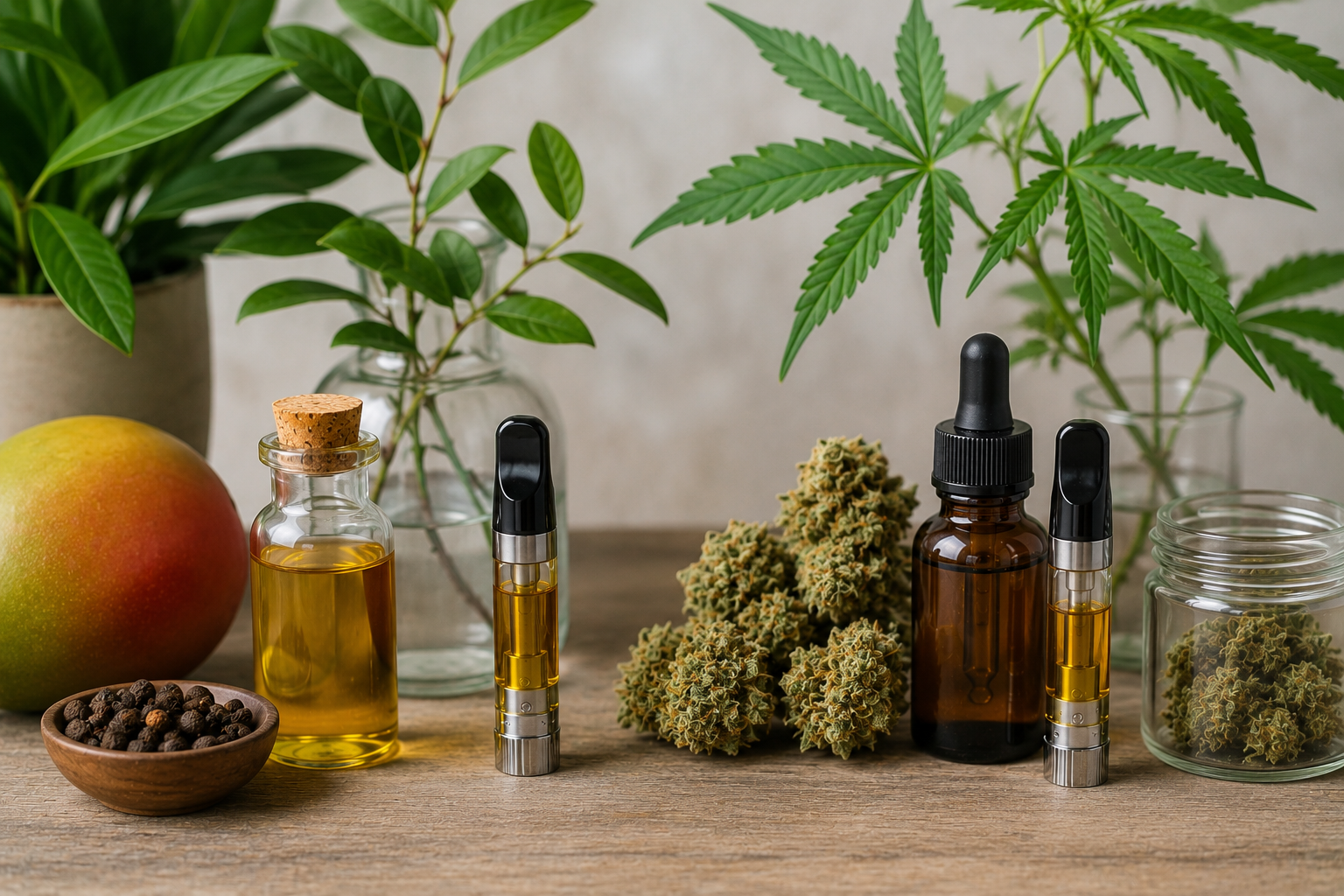
Myrcene is a naturally occurring terpene responsible for earthy, musky, herbal, and slightly fruity aromas. It is commonly found in cannabis, hops, mangoes, lemongrass, and thyme. In cannabis, myrcene is often associated with relaxing and calming effects, making it a popular terpene in wellness and recreational products.
Because of its versatility and aromatic appeal, myrcene plays a major role in vape cartridges, concentrates, tinctures, edibles, and aromatherapy products.
What Is Botanical Myrcene?
Botanical myrcene is extracted from non-cannabis plant sources such as lemongrass, bay leaves, hops, or mangoes. These plants naturally contain myrcene in high concentrations, allowing manufacturers to isolate and purify the terpene for commercial use.
Benefits of Botanical Myrcene
- Cost-effective production
- Widely available raw materials
- Consistent terpene profiles
- Federally compliant in many regions
- Ideal for scalable manufacturing
Because it is sourced from legal botanicals, botanical myrcene is commonly used in mainstream wellness and flavor industries.
What Is Cannabis-Derived Terpenes?
Cannabis-derived terpenes are extracted directly from cannabis plants during the cultivation and extraction process. These terpenes preserve the plant’s original aromatic fingerprint and are highly valued for maintaining strain-specific authenticity.
Unlike botanical alternatives, cannabis-derived terpenes contain terpene ratios unique to specific cannabis cultivars, making them highly desirable for premium cannabis products.
Advantages of Cannabis-Derived Terpenes
- Authentic cannabis aroma and flavor
- Strain-specific terpene profiles
- Enhanced entourage effect potential
- Premium product positioning
- Greater appeal among cannabis enthusiasts
Botanical Myrcene vs Cannabis-Derived Myrcene: A Complete Terpene Source Comparison
1. Source Origin
The most obvious difference in this terpene source comparison is where the terpene comes from.
- Botanical myrcene comes from non-cannabis plants
- Cannabis-derived terpenes come directly from cannabis flowers
While the molecular structure of myrcene remains identical regardless of source, the overall terpene composition surrounding it can vary significantly.
2. Aroma and Flavor Profile
One of the biggest distinctions between botanical myrcene and cannabis-derived terpenes lies in aroma complexity.
Botanical Myrcene
- Clean and isolated aroma
- Earthy and herbal notes
- Easier to standardize
Cannabis-Derived Terpenes
- Full-spectrum cannabis scent
- Rich and strain-authentic flavor
- More nuanced terpene interactions
Consumers looking for a true cannabis experience often prefer cannabis-derived terpenes due to their natural complexity.
3. Product Authenticity
For brands focused on premium cannabis experiences, cannabis-derived terpenes offer unmatched authenticity. These terpenes mirror the exact profile of the original strain, making them ideal for recreating cultivar-specific experiences.
Meanwhile, botanical myrcene is commonly used to mimic cannabis profiles at a lower cost.
This makes authenticity a major deciding factor in any terpene source comparison.
4. Cost and Scalability
Botanical Myrcene
- More affordable
- Easier large-scale production
- Better for mass-market products
Cannabis-Derived Terpenes
- Higher extraction costs
- Limited by cannabis cultivation
- Premium pricing structure
Brands balancing cost efficiency and product quality often combine botanical myrcene with other terpene blends for optimized performance.
5. Legal and Regulatory Considerations
Another critical factor in this terpene source comparison is legality.
Because botanical myrcene is sourced from non-cannabis plants, it is often easier to ship, regulate, and sell internationally.
On the other hand, cannabis-derived terpenes may face stricter compliance requirements depending on local cannabis laws.
This legal flexibility makes botanical myrcene especially attractive for wellness, fragrance, and food industries.
6. Consumer Preference
Modern cannabis consumers are becoming more educated about terpene quality and sourcing.
Consumers Who Prefer Botanical Myrcene
- Budget-conscious buyers
- Wellness users
- Flavor-focused formulations
Consumers Who Prefer Cannabis-Derived Terpenes
- Cannabis connoisseurs
- Premium vape users
- Strain-specific enthusiasts
As demand for authenticity grows, many high-end brands are investing heavily in cannabis-derived terpenes.
Which Is Better: Botanical or Cannabis-Derived Myrcene?
The answer depends on your product goals, budget, and target audience.
Choose botanical myrcene if you need:
- Affordability
- Consistency
- Regulatory flexibility
- High-volume production
Choose cannabis-derived terpenes if you prioritize:
- Authentic strain replication
- Premium branding
- Full-spectrum cannabis aroma
- Enhanced consumer experience
This ongoing terpene source comparison highlights that neither option is universally superior each serves a different purpose in the terpene marketplace.
2) How Botanical Myrcene Is Extracted and Produced

Producing high-purity botanical myrcene involves several precise extraction and refinement steps. The goal is to isolate myrcene while preserving its aromatic integrity.
1. Plant Selection
The first step in producing botanical myrcene is selecting terpene-rich plants. Lemongrass is one of the most common sources because it naturally contains high myrcene levels.
Manufacturers carefully evaluate:
- Terpene concentration
- Plant freshness
- Moisture content
- Harvest timing
The quality of raw botanical material directly impacts the final terpene profile.
2. Steam Distillation
Steam distillation is the most common extraction method for botanical myrcene.
How Steam Distillation Works
- Steam passes through plant material
- Heat releases volatile terpene compounds
- Vapors are cooled and condensed
- Essential oils separate from water
This method efficiently extracts aromatic compounds while maintaining terpene stability.
Steam distillation is widely preferred because it produces clean and scalable terpene extracts suitable for commercial manufacturing.
3. Fractional Distillation
After initial extraction, manufacturers often use fractional distillation to isolate pure botanical myrcene from other terpene compounds.
This refinement process:
- Separates terpenes by boiling point
- Improves purity levels
- Enhances consistency
- Removes unwanted compounds
High-purity botanical myrcene is especially important for vape and inhalation products where formulation precision matters.
4. Quality Testing and Analysis
Once extracted, botanical myrcene undergoes rigorous laboratory testing.
Manufacturers typically test for:
- Purity levels
- Residual solvents
- Heavy metals
- Pesticides
- Terpene composition
This quality control process ensures the terpene meets safety and regulatory standards.
Botanical Myrcene vs Cannabis-Derived Terpenes
Understanding the difference between botanical myrcene and cannabis-derived terpenes is essential in any serious terpene source comparison.
|
Feature |
Botanical Myrcene |
Cannabis-Derived Terpenes |
|
Source |
Non-cannabis plants |
Cannabis plants |
|
Cost |
More affordable |
More expensive |
|
Scalability |
Highly scalable |
Limited by cultivation |
|
Aroma |
Consistent and isolated |
Full-spectrum cannabis aroma |
|
Legal Accessibility |
Widely legal |
More regulated |
|
Product Type |
Mainstream wellness & vape |
Premium cannabis products |
Although the molecular structure of myrcene remains identical regardless of source, the surrounding terpene profile differs significantly.
Why Brands Choose Botanical Myrcene
Many manufacturers prefer botanical myrcene because it provides:
- Cost efficiency
- Reliable supply chains
- Consistent terpene formulation
- Easier compliance
- Better scalability
For large-scale production, botanical myrcene often offers a more sustainable and commercially practical solution compared to cannabis-derived terpenes.
Applications of Botanical Myrcene
The versatility of botanical myrcene makes it valuable across multiple industries.
Common Uses Include:
- Vape cartridge enhancement
- Cannabis terpene blending
- Beverage flavoring
- Cosmetic fragrances
- Relaxation and wellness products
Many companies also combine botanical myrcene with other terpene isolates to recreate strain-inspired flavor profiles.
3) How Cannabis-Derived Myrcene Is Sourced from Hemp and Cannabis Plants

Cannabis-derived terpenes are aromatic compounds extracted directly from hemp or cannabis plants rather than from external botanical sources. These terpenes retain the unique chemical profile of specific cannabis strains.
Unlike isolated botanical myrcene, cannabis-derived terpene profiles often contain dozens of naturally balanced compounds working together to create authentic flavor and aroma experiences.
Hemp vs Cannabis: Understanding the Source
Both hemp and marijuana belong to the Cannabis sativa species, but they differ in THC concentration.
Hemp Plants
- Contain less than 0.3% THC
- Federally legal in many regions
- Widely used for terpene extraction
Cannabis Plants
- Higher THC concentrations
- Often regulated differently
- Used for premium terpene production
Many manufacturers source cannabis-derived terpenes from hemp because it offers greater legal accessibility while still preserving authentic cannabis aromas.
How Cannabis-Derived Myrcene Is Extracted
The sourcing process for cannabis-derived myrcene requires careful handling to preserve terpene integrity. Because terpenes are highly volatile, extraction methods must minimize heat and oxidation.
1. Cultivation and Plant Selection
The first step in sourcing cannabis-derived myrcene is selecting terpene-rich hemp or cannabis cultivars.
Growers evaluate:
- Myrcene concentration
- Overall terpene profile
- Plant genetics
- Harvest timing
- Environmental conditions
Strains with naturally high myrcene levels are preferred for premium terpene extraction.
2. Harvesting at Peak Terpene Levels
Timing is crucial during terpene harvesting.
Terpene content can decline rapidly if plants are harvested too early or too late. Producers monitor trichome development and terpene maturity to maximize cannabis-derived terpenes yield.
Fresh-frozen harvesting techniques are commonly used to preserve delicate aromatic compounds.
3. Cold Extraction Methods
Most manufacturers use low-temperature extraction methods to protect terpene quality.
Common Extraction Techniques:
- Steam distillation
- CO2 extraction
- Hydrocarbon extraction
- Cryogenic terpene extraction
Cold extraction helps preserve:
- Aroma complexity
- Flavor authenticity
- Full-spectrum terpene profiles
This is one of the key advantages cannabis-derived terpenes have over many isolated terpene products.
4. Terpene Isolation and Refinement
After extraction, manufacturers refine and separate the terpene fraction from cannabinoids and plant waxes.
This process improves:
- Purity
- Stability
- Formulation consistency
Some companies isolate myrcene specifically, while others preserve the entire full-spectrum terpene profile for strain authenticity.
Botanical Myrcene vs Cannabis-Derived Terpenes
An effective terpene source comparison requires understanding the strengths and limitations of each source type.
|
Feature |
Botanical Myrcene |
Cannabis-Derived Terpenes |
|
Source |
Non-cannabis plants |
Hemp or cannabis plants |
|
Aroma |
Isolated and simplified |
Full-spectrum cannabis aroma |
|
Cost |
Lower cost |
Higher production cost |
|
Authenticity |
Moderate |
Very high |
|
Scalability |
Highly scalable |
More limited |
|
Consumer Appeal |
General wellness markets |
Cannabis enthusiasts |
While botanical myrcene provides affordability and manufacturing flexibility, cannabis-derived terpenes are preferred for premium cannabis applications.
Why Consumers Prefer Cannabis-Derived Terpenes
Modern cannabis consumers increasingly value authenticity and strain-specific experiences.
Benefits of Cannabis-Derived Terpenes
- Natural cannabis flavor
- Authentic strain recreation
- Full-spectrum aroma profiles
- Enhanced product positioning
- Premium consumer perception
For vape cartridges and concentrates, authentic cannabis-derived terpenes can significantly improve flavor quality and overall user experience.
Challenges in Cannabis-Derived Terpene Production
Despite their popularity, sourcing cannabis-derived terpenes comes with several challenges.
Common Production Challenges
- Higher extraction costs
- Regulatory restrictions
- Limited raw material availability
- Complex storage requirements
- Terpene degradation risks
These challenges are one reason why some brands continue using botanical myrcene in large-scale commercial formulations.
The Role of Terpene Source Comparison in Product Development
As terpene awareness grows, businesses are conducting deeper terpene source comparison research to determine the best sourcing strategies for their products.
Some brands prioritize:
- Cost efficiency with botanical myrcene
- Authenticity with cannabis-derived terpenes
- Hybrid terpene blending approaches
Understanding terpene sourcing helps brands align product quality with consumer expectations.
4) Aroma, Flavor, and Effects Comparison of Both Myrcene Types

While both sources contain the same myrcene molecule, their aroma, flavor, and overall user experience can differ significantly. Understanding this distinction is essential for manufacturers, formulators, and consumers looking for premium terpene experiences.
Understanding the Two Myrcene Sources
Before exploring the aroma and effects differences, it’s important to understand the two primary terpene categories.
Botanical Myrcene
Botanical myrcene is extracted from non-cannabis plants such as lemongrass or hops. It is widely used because of its affordability, scalability, and regulatory flexibility.
Cannabis-Derived Terpenes
Cannabis-derived terpenes are extracted directly from hemp or cannabis plants, preserving the plant’s original terpene profile and strain-specific aroma.
This distinction forms the foundation of any serious terpene source comparison.
Aroma Comparison: Botanical vs Cannabis-Derived Myrcene
One of the biggest differences between botanical myrcene and cannabis-derived terpenes is aroma complexity.
Aroma of Botanical Myrcene
Botanical myrcene typically delivers:
- Clean earthy notes
- Herbal undertones
- Mild citrus hints
- Simplified aroma structure
Because it is isolated from non-cannabis plants, the aroma profile is usually more linear and predictable.
Manufacturers often prefer botanical myrcene when they need:
- Consistent flavor replication
- Neutral terpene blending
- Cost-effective formulations
Aroma of Cannabis-Derived Terpenes
Cannabis-derived terpenes offer a much richer and more authentic cannabis aroma.
Common characteristics include:
- Full-spectrum cannabis scent
- Skunky and dank notes
- Complex herbal layers
- Strain-specific uniqueness
Since these terpenes are extracted directly from cannabis flowers, they retain the plant’s natural terpene ratios and aromatic depth.
In most terpene source comparison discussions, aroma authenticity is where cannabis-derived terpenes stand out the most.
Flavor Comparison
Flavor plays a critical role in vape products, concentrates, and infused formulations
Flavor Profile of Botanical Myrcene
Products made with botanical myrcene usually feature:
- Smooth herbal flavor
- Light fruit undertones
- Controlled consistency
- Cleaner terpene finish
Because manufacturers can precisely isolate and blend botanical myrcene, flavor profiles are easier to standardize across batches.
Flavor Profile of Cannabis-Derived Terpenes
Cannabis-derived terpenes provide:
- Authentic strain flavor
- Deeper terpene complexity
- Richer mouthfeel
- Natural cannabis aftertaste
These terpene profiles are highly valued by experienced cannabis consumers seeking premium authenticity.
For high-end vape products, many users believe cannabis-derived terpenes create a more immersive and realistic cannabis experience.
Effects Comparison of Both Myrcene Types
Although the molecular structure of myrcene remains identical regardless of source, the surrounding terpene environment can influence the overall sensory experience.
Effects Associated with Botanical Myrcene
Consumers often describe botanical myrcene products as:
- Relaxing
- Mildly calming
- Smooth and balanced
- Functional for everyday use
Because botanical myrcene is often isolated or blended with selected terpenes, the effects may feel more controlled and predictable.
Effects Associated with Cannabis-Derived Terpenes
Products containing cannabis-derived terpenes are often associated with:
- Full-spectrum cannabis effects
- Enhanced sensory depth
- Greater strain authenticity
- More immersive terpene interaction
Many cannabis enthusiasts believe these products provide a stronger “entourage effect” due to the natural interaction between multiple cannabis compounds.
This is one of the biggest talking points in modern terpene source comparison discussions.
5) Benefits and Uses of Myrcene in Wellness and Cannabis Products

Today, manufacturers source myrcene from both botanical myrcene extracts and cannabis-derived terpenes, each offering unique advantages depending on the product application. Understanding these differences through a detailed terpene source comparison can help brands and consumers make informed decisions about quality, authenticity, and functionality.
Benefits of Myrcene in Wellness Products
Myrcene has become increasingly popular in wellness applications because of its soothing aroma and versatile formulation potential.
1. Relaxation and Calmness
One of the most recognized benefits of myrcene is its calming aromatic profile.
Products formulated with botanical myrcene or cannabis-derived terpenes are often designed to promote:
- Relaxation
- Evening wellness routines
- Stress reduction
- Sensory comfort
This makes myrcene a common ingredient in aromatherapy and nighttime wellness products.
2. Enhanced Aromatherapy Experiences
Because of its earthy and herbal scent, botanical myrcene is widely used in:
- Essential oil blends
- Diffusers
- Candles
- Spa products
- Relaxation sprays
Its versatile aroma blends well with terpenes like:
- Linalool
- Caryophyllene
- Limonene
- Pinene
Many wellness brands prefer botanical myrcene because it provides consistent fragrance profiles and scalable production.
3. Flavor Enhancement in Wellness Products
Myrcene also contributes to flavor complexity in:
- Functional beverages
- Gummies
- Tinctures
- Herbal supplements
Its mild fruity and herbal notes make it a popular terpene for flavor-focused formulations.
Uses of Myrcene in Cannabis Products
Myrcene is even more significant in cannabis products because it contributes directly to the plant’s characteristic aroma and terpene identity.
1. Vape Cartridge Formulation
Many vape manufacturers use cannabis-derived terpenes rich in myrcene to recreate authentic cannabis strain experiences.
Benefits include:
- Natural cannabis flavor
- Enhanced terpene realism
- Full-spectrum aroma
- Improved strain authenticity
Some brands also use botanical myrcene to create affordable strain-inspired terpene blends.
2. Cannabis Concentrates and Extracts
Myrcene is commonly found in:
- Live resin
- Rosin
- Distillates
- Full-spectrum extracts
In these products, cannabis-derived terpenes help preserve the original flavor and aroma profile of the source strain.
This is a major factor in modern terpene source comparison discussions.
3. Edibles and Infused Products
Terpenes are increasingly added to cannabis edibles to improve:
- Flavor complexity
- Product differentiation
- Sensory experience
Both botanical myrcene and cannabis-derived terpenes are used in edible formulations depending on the brand’s goals and target market.
Botanical Myrcene vs Cannabis-Derived Terpenes
A complete terpene source comparison helps manufacturers determine which terpene source best suits their products.
|
Feature |
Botanical Myrcene |
Cannabis-Derived Terpenes |
|
Source |
Non-cannabis plants |
Hemp or cannabis plants |
|
Cost |
Lower cost |
Premium pricing |
|
Aroma |
Simplified and clean |
Complex and authentic |
|
Scalability |
Highly scalable |
Limited by cultivation |
|
Legal Accessibility |
Easier compliance |
More regulations |
|
Product Positioning |
Wellness & mainstream |
Premium cannabis products |
While both terpene types contain myrcene, their surrounding terpene compositions create very different sensory experiences.
Why Brands Use Both Terpene Types
Many companies now combine botanical myrcene with cannabis-derived terpenes to balance:
- Cost efficiency
- Product authenticity
- Flavor performance
- Regulatory flexibility
This hybrid approach allows manufacturers to create scalable yet premium terpene formulations.
Consumer Trends Driving Myrcene Demand
Consumer interest in terpene science has increased dramatically in recent years.
Modern consumers are looking for:
- Authentic cannabis experiences
- Functional wellness ingredients
- Natural flavor enhancement
- Full-spectrum terpene profiles
- Transparent sourcing
As a result, both botanical myrcene and cannabis-derived terpenes continue gaining popularity across multiple industries.
6) Which Is Better: Botanical or Cannabis-Derived Myrcene?

Both terpene sources offer unique benefits, but the right choice depends on factors like product goals, flavor authenticity, budget, scalability, and consumer expectations. Understanding the differences through a detailed terpene source comparison can help brands create better products while helping consumers make informed purchasing decisions.
Understanding the Two Sources of Myrcene
Before deciding which option is better, it’s important to understand how these terpene types differ.
What Is Botanical Myrcene?
Botanical myrcene is extracted from non-cannabis plants such as lemongrass or hops. It contains the same molecular structure as cannabis myrcene but comes from alternative plant sources.
Benefits of Botanical Myrcene
- More affordable
- Highly scalable
- Easier legal compliance
- Consistent formulation quality
- Widely available
Because of these advantages, botanical myrcene is commonly used in wellness, flavoring, and large-scale vape manufacturing.
What Is Cannabis-Derived Terpenes?
Cannabis-derived terpenes are extracted directly from hemp or cannabis plants. These terpene extracts preserve the plant’s natural aromatic fingerprint and strain-specific complexity.
Benefits of Cannabis-Derived Terpenes
- Authentic cannabis aroma
- Full-spectrum flavor
- Strain-specific profiles
- Premium consumer appeal
- Enhanced cannabis realism
These terpene profiles are especially popular in high-end vape products and cannabis concentrates.
Aroma Comparison: Which Smells Better?
One of the biggest differences in any terpene source comparison is aroma authenticity.
Aroma of Botanical Myrcene
Botanical myrcene generally delivers:
- Clean earthy notes
- Mild herbal tones
- Consistent aroma performance
- Simpler terpene structure
This makes it ideal for manufacturers who prioritize consistency and neutral blending capabilities.
Aroma of Cannabis-Derived Terpenes
Cannabis-derived terpenes offer:
- Authentic cannabis scent
- Complex aromatic layers
- Strain-specific uniqueness
- Full-spectrum terpene depth
Many cannabis enthusiasts strongly prefer cannabis-derived terpenes because they closely replicate the aroma of real cannabis flower.
Flavor Comparison
Flavor quality is another major factor when comparing botanical myrcene and cannabis-derived terpenes.
Flavor Profile of Botanical Myrcene
Products using botanical myrcene typically provide:
- Smooth herbal flavor
- Light citrus notes
- Cleaner terpene finish
- Predictable consistency
These qualities are useful for mainstream wellness and flavored vape products.
Flavor Profile of Cannabis-Derived Terpenes
Cannabis-derived terpenes create:
- Rich cannabis flavor
- Natural strain authenticity
- Complex terpene layering
- Deeper sensory experience
For consumers seeking authentic cannabis taste, cannabis-derived terpenes are often considered superior.
Effects and User Experience
Although myrcene itself is chemically identical regardless of source, the surrounding terpene environment may affect the overall experience
Experience with Botanical Myrcene
Consumers often describe botanical myrcene products as:
- Balanced
- Smooth
- Relaxing
- Mildly calming
Because formulations are more controlled, effects may feel more predictable and standardized.
Experience with Cannabis-Derived Terpenes
Users of cannabis-derived terpenes frequently report:
- More authentic cannabis experiences
- Stronger aroma immersion
- Greater strain realism
- Enhanced entourage effect perception
This full-spectrum complexity is one reason premium cannabis brands prioritize cannabis-derived terpenes.
Cost and Scalability Comparison
Cost is one of the biggest deciding factors in any terpene source comparison.
|
Feature |
Botanical Myrcene |
Cannabis-Derived Terpenes |
|
Production Cost |
Lower |
Higher |
|
Raw Material Availability |
Abundant |
More limited |
|
Scalability |
Excellent |
Moderate |
|
Compliance |
Easier |
More regulated |
|
Market Position |
Mainstream products |
Premium cannabis products |
For large-scale production, botanical myrcene is often the more practical solution.
Which One Do Consumers Prefer?
Consumer preference depends heavily on product goals and experience level.
Consumers Who Prefer Botanical Myrcene
- Wellness users
- Budget-conscious buyers
- Mainstream vape consumers
- Flavor-focused formulations
Consumers Who Prefer Cannabis-Derived Terpenes
- Cannabis enthusiasts
- Premium vape users
- Strain-specific product buyers
- Full-spectrum cannabis consumers
As terpene education grows, more consumers are becoming aware of terpene sourcing and authenticity.
Is One Truly Better Than the Other?
The truth is that neither option is universally better. The ideal choice depends on the intended product application.
Choose Botanical Myrcene If You Need:
- Cost efficiency
- Consistent flavor profiles
- Scalable manufacturing
- Regulatory flexibility
- Broad commercial distribution
Choose Cannabis-Derived Terpenes If You Want:
- Authentic cannabis aroma
- Full-spectrum flavor complexity
- Premium branding
- Strain-specific authenticity
- High-end consumer appeal
A smart terpene source comparison always considers both business goals and user expectations.
7) Legal, Safety, and Quality Considerations When Choosing Myrcene

Legal compliance is one of the most important aspects of any terpene source comparison.
1. Regulatory Status of Botanical Myrcene
Because botanical myrcene comes from non-cannabis plants, it is generally easier to manufacture, transport, and sell in many regions.
Legal Advantages Include:
- Fewer cannabis-specific restrictions
- Easier interstate and international shipping
- Simpler product compliance
- Broader commercial applications
This legal flexibility makes botanical myrcene highly attractive for:
- Wellness brands
- Food and beverage companies
- Fragrance manufacturers
- Mainstream vape businesses
2. Regulations Around Cannabis-Derived Terpenes
Cannabis-derived terpenes are subject to cannabis-related laws that vary significantly by country and region.
Regulatory Challenges May Include:
- THC testing requirements
- Cannabis licensing restrictions
- Transportation limitations
- State-by-state compliance variations
- Additional laboratory testing
Even when extracted from hemp, cannabis-derived terpenes may face stricter oversight because they originate from cannabis plants.
Safety Considerations for Myrcene Products
Product safety is essential for both consumers and manufacturers.
1. Purity and Contaminant Testing
High-quality botanical myrcene and cannabis-derived terpenes should undergo rigorous third-party testing.
Important Safety Tests Include:
- Residual solvent analysis
- Heavy metal screening
- Pesticide testing
- Microbial contamination checks
- Terpene purity verification
Reliable laboratory testing ensures safe terpene formulations and protects product integrity.
2. Proper Dilution and Formulation
Terpenes are highly concentrated compounds and should never be used improperly.
Manufacturers must carefully formulate:
- Vape products
- Edibles
- Topicals
- Aromatherapy blends
Improper terpene concentration levels may negatively affect product performance or user comfort.
Both botanical myrcene and cannabis-derived terpenes require professional formulation expertise.
3. Storage and Stability
Terpenes are sensitive to:
- Heat
- Oxygen
- UV light
- Air exposure
Poor storage conditions can degrade aroma quality and reduce terpene effectiveness.
Best Storage Practices:
- Airtight containers
- Cool temperatures
- Minimal light exposure
- Controlled humidity
Maintaining terpene stability is critical in preserving the quality of both botanical myrcene and cannabis-derived terpenes.
Quality Considerations in Terpene Sourcing
Not all terpene products offer the same level of quality.
1. Source Transparency
Consumers increasingly want to know:
- Where terpenes come from
- How they are extracted
- Whether they are naturally sourced
- What testing standards are used
Brands that provide transparency about botanical myrcene or cannabis-derived terpenes often build stronger customer trust.
2. Extraction Methods Matter
The extraction process significantly affects terpene quality.
Common Extraction Methods:
- Steam distillation
- CO2 extraction
- Cryogenic extraction
- Hydrocarbon extraction
High-quality extraction preserves:
- Aroma complexity
- Flavor integrity
- Terpene stability
This is a key factor in modern terpene source comparison evaluations.
3. Authenticity and Consumer Expectations
Consumers seeking authentic cannabis experiences often prefer cannabis-derived terpenes because they preserve full-spectrum strain profiles.
However, many brands use botanical myrcene to:
- Lower production costs
- Improve consistency
- Increase scalability
- Simplify compliance
The ideal choice depends on the intended product and target audience.
Botanical Myrcene vs Cannabis-Derived Terpenes: Safety and Quality Comparison
|
Feature |
Botanical Myrcene |
Cannabis-Derived Terpenes |
|
Legal Accessibility |
Easier compliance |
More regulated |
|
Product Cost |
Lower |
Higher |
|
Aroma Authenticity |
Moderate |
Very high |
|
Safety Testing Needs |
Standard terpene testing |
Enhanced cannabis compliance |
|
Scalability |
Excellent |
Limited by cultivation |
|
Consumer Appeal |
Mainstream wellness |
Premium cannabis markets |
This detailed terpene source comparison shows that both options have unique advantages depending on formulation goals.
8) Final Thoughts on Botanical vs Cannabis-Derived Myrcene

As the terpene industry continues evolving, the debate between botanical myrcene and cannabis-derived terpenes remains one of the most important discussions in cannabis and wellness product development. Both terpene sources offer unique advantages, and the right choice ultimately depends on product goals, consumer expectations, regulatory requirements, and desired sensory experiences.
Through a complete terpene source comparison, it becomes clear that botanical myrcene excels in affordability, scalability, consistency, and legal accessibility. Its ability to provide reliable terpene performance makes it ideal for wellness products, mainstream vape formulations, aromatherapy, and large-scale manufacturing.
On the other hand, cannabis-derived terpenes deliver unmatched authenticity, full-spectrum aroma complexity, and strain-specific flavor profiles that many cannabis enthusiasts actively seek. For premium cannabis products, concentrates, and high-end vape cartridges, cannabis-derived terpene profiles often provide a more immersive and authentic experience.
Importantly, neither option is universally better. Many modern brands are now blending botanical myrcene with cannabis-derived terpenes to achieve a balance between cost efficiency and authentic cannabis flavor. This hybrid approach allows manufacturers to optimize product quality while maintaining scalable production and broader market accessibility.
As consumer awareness around terpenes continues to grow, transparency, quality testing, and informed terpene source comparison will become even more important. Brands that prioritize safe sourcing, terpene authenticity, and formulation expertise will be best positioned to succeed in the rapidly expanding cannabis and wellness industries.
Whether choosing botanical myrcene for flexibility and consistency or cannabis-derived terpenes for premium authenticity, understanding the strengths of each terpene source is essential for creating high-quality products that meet evolving consumer expectations.


