

Table of Contents:
1. Natural Sources of Linalool in Plants and Cannabis
2. Chemical Structure and Properties of Linalool Terpene Isolate
3. Linalool in Cannabis: Strains Rich in This Popular Terpene
4. Aroma and Flavor Profile of Linalool Explained
5. Linalool for Stress Relief, Relaxation, and Sleep Support
6. How Linalool Works with Other Cannabinoids and Terpenes
7. Linalool vs Myrcene vs Limonene: Terpene Comparison Guide
8. Future Trends and Research on Linalool Terpenes
9. Frequently Asked Questions About Linalool Terpene Isolate
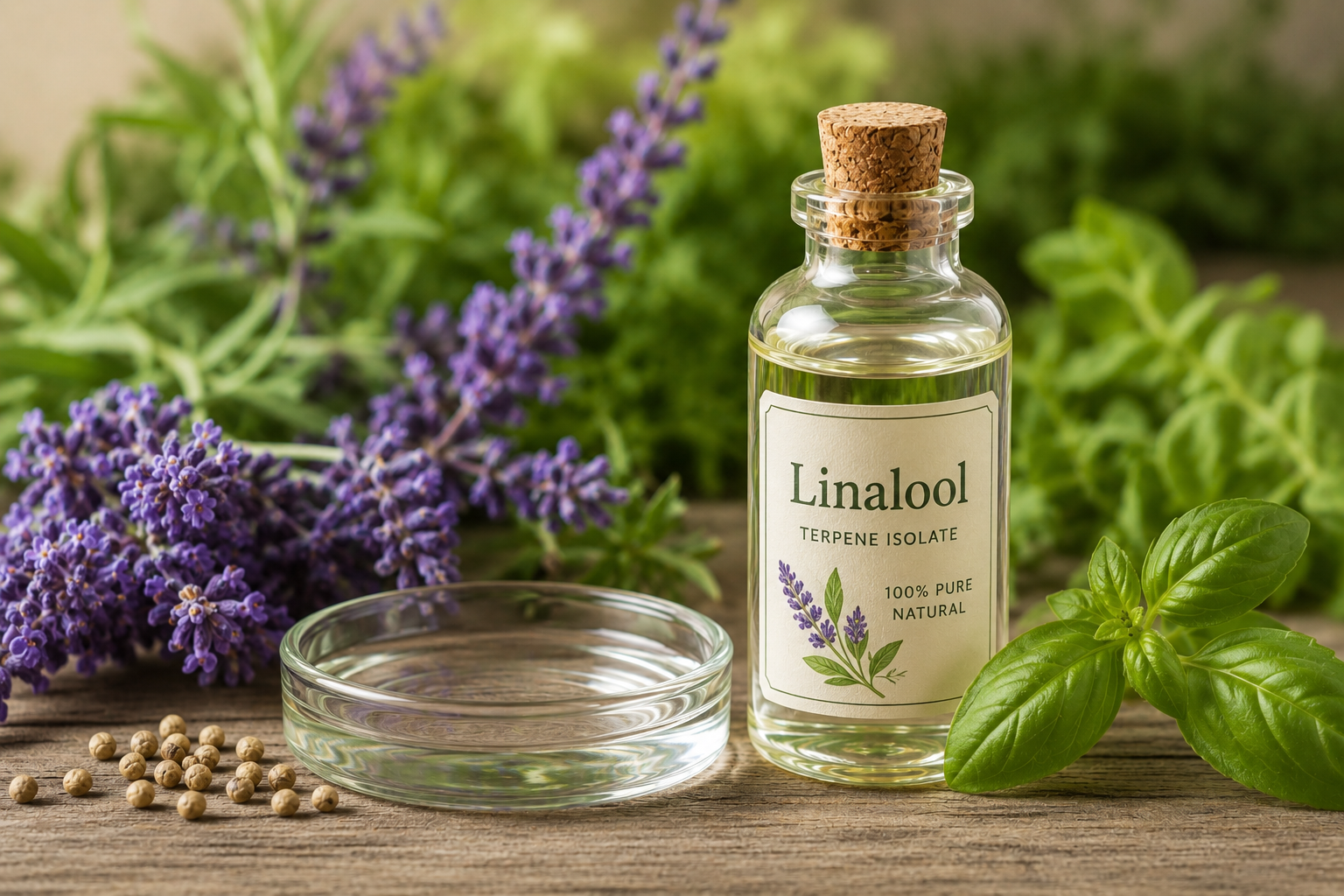
Linalool terpene isolate is a highly purified aromatic compound commonly found in plants such as lavender, basil, mint, coriander, and cannabis. Known for its floral, slightly spicy scent, linalool terpene is widely used in the wellness, fragrance, cosmetic, and aromatherapy industries.
As one of the most popular natural terpenes, linalool has gained attention for its potential calming effects, unique aroma profile, and versatility in product formulations. Whether you're exploring cannabis-derived terpenes, creating essential oil blends, or formulating skincare products, understanding linalool isolate is essential.
Understanding Terpenes and Their Importance
Before diving deeper into linalool isolate, it’s important to understand what terpenes are.
Terpenes are aromatic compounds naturally produced by plants. They contribute to the smell, flavor, and potential therapeutic effects of many herbs, fruits, and flowers. In cannabis, terpenes work alongside cannabinoids through what is known as the entourage effect.
Popular terpenes include:
- Myrcene
- Limonene
- Pinene
- Caryophyllene
- Linalool
Among these, linalool terpene isolate stands out due to its soothing aroma and broad commercial applications.
1) Natural Sources of Linalool in Plants and Cannabis

Linalool occurs naturally in more than 200 plant species. Many of these plants are commonly used in traditional medicine, essential oils, and herbal remedies.
Lavender
Lavender is perhaps the most famous natural source of linalool terpene. Lavender essential oil contains high concentrations of linalool, contributing to its relaxing scent and calming reputation.
Popular uses include:
- Aromatherapy
- Sleep support products
- Relaxation oils
- Spa treatments
Basil
Basil is another rich source of natural linalool. Sweet basil varieties contain aromatic terpene compounds that create a fresh, spicy, herbal scent.
Basil-derived linalool is often used in:
- Culinary flavoring
- Herbal medicine
- Essential oil production
Coriander
Coriander seeds contain significant levels of linalool isolate, giving the spice its citrusy and floral aroma.
Coriander oil is widely used in:
- Natural wellness products
- Food flavoring
- Fragrance manufacturing
Mint
Many species of mint plants naturally produce linalool alongside other terpenes like menthol and pinene.
Mint-based linalool is commonly found in:
- Oral care products
- Herbal teas
- Cooling aromatherapy blends
Rosewood
Historically, rosewood oil was one of the richest sources of pure linalool. Its floral and woody aroma made it highly valued in luxury perfume production.
Due to sustainability concerns, many manufacturers now rely on alternative botanical terpene sources.
Citrus Fruits
Certain citrus fruits naturally contain small amounts of linalool terpene, particularly in their peels.
Examples include:
- Oranges
- Lemons
- Bergamot
These citrus terpenes contribute to complex fragrance and flavor profiles.
Linalool in Cannabis
Cannabis is one of the most talked-about sources of linalool terpene today. In cannabis plants, linalool contributes to the aroma, flavor, and overall terpene profile of specific strains.
Why Linalool Matters in Cannabis
Many consumers seek out linalool-rich cannabis strains for their calming and relaxing aromatic experience.
Linalool is often associated with:
- Floral aromas
- Lavender notes
- Smooth smoke profiles
- Relaxation-focused terpene blends
Popular Cannabis Strains Rich in Linalool
Several well-known cannabis strains naturally contain elevated levels of linalool terpenes.
Lavender Kush
Known for its floral aroma and relaxing terpene profile, Lavender Kush is a classic example of a linalool-dominant cannabis strain.
LA Confidential
This strain contains a rich blend of:
It is recognized for its earthy and calming aromatic profile.
Amnesia Haze
Although citrus-forward, Amnesia Haze also contains traces of linalool terpene, creating a balanced and complex aroma.
Do-Si-Dos
This modern cannabis strain features a terpene-rich profile that includes:
- Linalool
- Limonene
- Caryophyllene
Benefits of Natural Linalool Sources
Aromatherapy Applications
Natural sources of linalool are heavily used in:
- Diffusers
- Massage oils
- Relaxation candles
- Sleep sprays
Cosmetic and Skincare Industry
Due to its pleasant fragrance, linalool terpene is commonly included in:
- Lotions
- Creams
- Facial serums
- Hair care products
Cannabis and Hemp Products
Manufacturers often use cannabis-derived terpenes and hemp-derived linalool in:
- Vape cartridges
- Concentrates
- CBD products
- Terpene blends
Linalool vs Other Common Terpenes
|
Terpene |
Aroma |
Common Source |
|
Linalool |
Floral, lavender |
Lavender, cannabis |
|
Limonene |
Citrus |
Citrus peels |
|
Pinene |
Pine |
Pine needles |
|
Myrcene |
Earthy |
Mango, cannabis |
|
Caryophyllene |
Peppery |
Black pepper |
This unique aromatic versatility helps make linalool isolate one of the most in-demand terpenes globally.
How Linalool Is Extracted
Manufacturers obtain linalool terpene isolate using methods such as:
- Steam distillation
- CO2 extraction
- Fractional distillation
These processes create highly purified terpene isolates for commercial use.
2) Chemical Structure and Properties of Linalool Terpene Isolate

The chemical structure of linalool plays a major role in its aromatic and functional properties.
Molecular Formula
The molecular formula of linalool terpene isolate is:
C10H18O
This composition classifies linalool as a terpene alcohol due to the presence of a hydroxyl (-OH) group.
IUPAC Name
The scientific name for linalool is:
3,7-dimethyl-1,6-octadien-3-ol
This chemical structure gives linalool isolate its distinctive aroma and volatility.
Structural Characteristics
Linalool contains:
- Two double bonds
- A tertiary alcohol group
- A flexible hydrocarbon chain
These structural features contribute to its:
- Floral fragrance
- Low boiling point
- High volatility
- Solubility characteristics
Isomers of Linalool
One interesting aspect of linalool terpene is that it exists in two naturally occurring stereoisomers.
(R)-Linalool
Also known as:
- Licareol
- Coriandrol
This form is commonly associated with:
- Sweet floral aromas
- Lavender-like scents
(S)-Linalool
Also called:
- Petitgrain alcohol
This version has a slightly different scent profile with:
- Woody notes
- Herbal undertones
The existence of these isomers influences the fragrance profiles used in:
- Perfumes
- Essential oils
- Cannabis terpene blends
Physical Properties of Linalool Terpene Isolate
Understanding the physical properties of linalool isolate is essential for its industrial applications.
|
Property |
Description |
|
Appearance |
Clear liquid |
|
Aroma |
Floral, lavender-like |
|
Molecular Weight |
154.25 g/mol |
|
Boiling Point |
Approximately 198°C |
|
Solubility |
Slightly soluble in water |
|
Volatility |
High |
|
Density |
Around 0.86 g/cm³ |
These characteristics make linalool terpene isolate highly effective in aromatic formulations.
Aroma Profile of Linalool
The scent profile of linalool terpene is one of its most valuable commercial traits.
Common Aroma Descriptions
- Floral
- Sweet
- Lavender-like
- Light citrus
- Herbal
- Slightly spicy
Because of this appealing aroma, natural linalool is commonly used in:
- Perfumes
- Candles
- Diffusers
- Essential oils
- Cannabis concentrates
Stability and Storage Properties
Proper handling of linalool terpene isolate is important to maintain quality and aroma.
Best Storage Practices
- Keep in airtight containers
- Store away from sunlight
- Avoid excessive heat exposure
- Maintain cool temperatures
Due to its volatile nature, exposure to oxygen and light may degrade pure linalool isolate over time.
Extraction and Isolation Methods
Manufacturers isolate linalool using advanced extraction techniques such as:
- Steam distillation
- Fractional distillation
- CO2 extraction
These methods help produce highly concentrated terpene isolates suitable for commercial use.
Safety and Regulatory Considerations
When used correctly, linalool terpene isolate is generally considered safe in approved commercial formulations.
However, concentrated terpenes should always be:
- Properly diluted
- Lab tested
- Handled carefully
Consumers should purchase products from reputable suppliers offering:
- Third-party testing
- Certificates of Analysis (COAs)
- Food-grade quality standards
3) Linalool in Cannabis: Strains Rich in This Popular Terpene

Linalool is one of the most well-known and widely studied cannabis terpenes found in both hemp and marijuana plants. Famous for its floral, lavender-like aroma, linalool terpene contributes significantly to the scent, flavor, and overall terpene profile of many cannabis strains.
What Does Linalool Smell Like?
The aroma profile of linalool terpene is often described as:
- Floral
- Lavender-like
- Sweet
- Slightly spicy
- Herbal
This recognizable scent makes linalool-rich cannabis strains popular among consumers seeking smooth and aromatic cannabis experiences.
Why Linalool Matters in Cannabis
The popularity of linalool in cannabis goes beyond aroma alone.
Cannabis enthusiasts and product formulators value linalool terpene because it contributes to:
- Complex terpene profiles
- Enhanced aromatic experiences
- Flavor depth in cannabis extracts
- Premium cannabis formulations
Linalool is commonly found in:
- Flower
- Concentrates
- Vape cartridges
- Terpene blends
- Hemp-derived products
Popular Cannabis Strains Rich in Linalool
Several cannabis strains naturally contain elevated levels of linalool terpene. These strains are often recognized for their floral scent and relaxing aromatic profile.
Lavender Kush
One of the Most Famous Linalool Strains
As the name suggests, Lavender Kush is rich in linalool terpenes and offers a sweet floral aroma similar to lavender essential oil.
Aroma Profile
- Floral
- Herbal
- Sweet
- Earthy
Common Terpenes
- Linalool
- Myrcene
- Caryophyllene
LA Confidential
LA Confidential is another well-known cannabis strain featuring a strong concentration of linalool terpene.
This strain is recognized for its:
- Smooth aroma
- Earthy notes
- Floral undertones
Terpene Composition
- Linalool
- Myrcene
- Pinene
Amnesia Haze
Although primarily known for citrus notes from limonene, Amnesia Haze also contains traces of linalool terpene that add floral complexity.
Flavor Profile
- Citrus
- Sweet
- Herbal
- Floral
Do-Si-Dos
Do-Si-Dos is a terpene-rich cannabis strain known for its balanced aromatic profile and elevated linalool content.
Aroma Notes
- Floral
- Sweet
- Earthy
- Spicy
Dominant Terpenes
- Linalool
- Caryophyllene
- Limonene
Zkittlez
Zkittlez contains a fruity terpene profile with subtle floral notes influenced by linalool terpene.
Flavor Notes
- Tropical fruit
- Sweet candy
- Floral undertones
Gelato
Many phenotypes of Gelato feature moderate amounts of linalool combined with:
- Caryophyllene
- Limonene
- Humulene
This creates a balanced and flavorful terpene experience.
The Role of Linalool in Cannabis Aroma
The floral qualities of linalool terpene make it an important ingredient in cannabis breeding and extraction.
How Linalool Influences Cannabis Flavor
Linalool contributes:
- Sweetness
- Floral complexity
- Smoothness
- Herbal undertones
This terpene is especially important in:
- Luxury cannabis products
- High-end concentrates
- Vape terpene formulations
Linalool and the Entourage Effect
Cannabis researchers and consumers often discuss the entourage effect, where terpenes and cannabinoids interact together.
Although research is ongoing, linalool terpene is frequently included in discussions about:
- Aromatic synergy
- Sensory enhancement
- Full-spectrum cannabis extracts
Linalool in Hemp and CBD Products
The demand for hemp-derived linalool has expanded rapidly in the CBD industry.
Manufacturers use linalool terpene isolates in:
- CBD tinctures
- Vape products
- Hemp concentrates
- Wellness formulations
Cannabis Products Containing Linalool
Today, consumers can find linalool terpene in many cannabis product categories.
Common Products
Flower
Natural terpene-rich cannabis flower.
Vape Cartridges
Enhanced with cannabis-derived terpenes.
Concentrates
High-potency terpene extracts.
Edibles
Infused with botanical terpene blends.
Linalool vs Other Popular Cannabis Terpenes
|
Terpene |
Aroma Profile |
Common Characteristics |
|
Linalool |
Floral, lavender |
Smooth and aromatic |
|
Limonene |
Citrus |
Bright and fruity |
|
Myrcene |
Earthy |
Musky and herbal |
|
Pinene |
Pine |
Fresh and crisp |
|
Caryophyllene |
Peppery |
Spicy and woody |
This unique floral profile helps distinguish linalool-rich strains from other cannabis varieties.
How Cannabis Growers Enhance Linalool Levels
Cannabis cultivators may influence terpene production through:
- Genetics
- Climate
- Harvest timing
- Curing techniques
- Nutrient management
High-quality cultivation practices can help preserve delicate volatile terpenes like linalool.
4) Aroma and Flavor Profile of Linalool Explained

Linalool is one of the most recognizable and widely used natural terpenes found in plants, flowers, herbs, spices, and cannabis. Famous for its soft floral scent and subtle spicy sweetness, linalool terpene plays a major role in the aroma and flavor profiles of countless botanical products.
The Floral Characteristics of Linalool
One of the defining features of linalool terpene is its strong floral aroma.
Lavender-Like Notes
The terpene is heavily associated with:
- Lavender flowers
- Fresh blossoms
- Sweet herbal gardens
This floral quality makes linalool-rich terpene profiles extremely popular in:
- Relaxation products
- Luxury fragrances
- Wellness formulations
Sweet and Citrus Undertones
Although floral notes dominate, linalool terpene isolate also contains subtle:
- Sweetness
- Citrus hints
- Fruity brightness
These secondary characteristics add depth and complexity to terpene blends.
This is why linalool pairs well with:
- Limonene
- Myrcene
- Pinene
- Caryophyllene
Herbal and Spicy Elements
Another important aspect of the flavor profile of linalool is its mild herbal and spicy finish.
This spicy undertone is especially noticeable in:
- Basil
- Coriander
- Certain cannabis strains
These earthy herbal notes contribute to a smoother and richer sensory experience.
Flavor Profile of Linalool in Cannabis
In cannabis, linalool terpene contributes significantly to both aroma and flavor.
Common Flavor Notes
Cannabis strains rich in linalool often feature:
- Floral sweetness
- Herbal spice
- Lavender notes
- Smooth earthy tones
These flavors are highly sought after in:
- Premium cannabis flower
- Vape cartridges
- Concentrates
- Live resin products
Linalool in Essential Oils and Aromatherapy
Outside cannabis, linalool isolate is widely used in:
- Lavender oil
- Basil oil
- Rosewood oil
- Coriander oil
Its fragrance profile makes it one of the most important ingredients in:
- Aromatherapy products
- Relaxation blends
- Massage oils
- Sleep sprays
Why the Aroma of Linalool Matters
The aroma profile of linalool terpene influences:
- Product appeal
- Consumer experience
- Flavor complexity
- Brand differentiation
Manufacturers carefully use linalool-rich terpene blends to create premium sensory experiences in:
- Cannabis products
- Cosmetics
- Fragrance products
- Wellness formulations
Linalool Compared to Other Terpenes
|
Terpene |
Aroma Profile |
Common Characteristics |
|
Linalool |
Floral, lavender |
Smooth and calming |
|
Limonene |
Citrus |
Bright and fruity |
|
Myrcene |
Earthy, musky |
Herbal and rich |
|
Pinene |
Pine |
Fresh and crisp |
|
Caryophyllene |
Peppery |
Spicy and woody |
This combination of floral sweetness and herbal spice helps distinguish linalool terpene from other aromatic compounds.
Industries That Use Linalool for Flavor and Aroma
Cannabis Industry
Used in:
- Vape carts
- Flower
- Concentrates
- Terpene blends
Fragrance Industry
Found in:
- Perfumes
- Candles
- Luxury body sprays
Food and Beverage Industry
Food-grade linalool isolate may be used in:
- Beverages
- Flavoring agents
- Herbal products
Cosmetic Industry
Added to:
- Creams
- Lotions
- Haircare products
How Linalool Is Extracted
Manufacturers produce linalool terpene isolate using:
- Steam distillation
- CO2 extraction
- Fractional distillation
These methods preserve the terpene’s aromatic purity and chemical integrity.
Factors That Influence Linalool Flavor and Aroma
Several factors impact the aroma intensity of linalool terpene.
Plant Genetics
Different plant species produce varying linalool levels.
Growing Conditions
Climate, soil, and nutrients affect terpene production.
Extraction Methods
Improper extraction can damage volatile aroma compounds.
Storage
Heat and oxygen may degrade terpene quality over time.
The Popularity of Linalool in Modern Products
The increasing demand for:
- Natural wellness products
- Botanical extracts
- Cannabis-derived terpenes
- Premium fragrance compounds
has helped make linalool terpene isolate one of the most important aromatic compounds on the market today.
Consumers increasingly prefer products with:
- Natural floral aromas
- Botanical ingredients
- Rich terpene profiles
5) Linalool for Stress Relief, Relaxation, and Sleep Support

One of the main reasons people seek linalool-rich products is for stress management and relaxation support.
Aromatherapy and Stress Reduction
The soothing aroma of linalool terpene is widely used in:
- Diffusers
- Essential oils
- Massage therapy
- Meditation environments
Many users associate the scent of linalool with:
- Calm environments
- Reduced tension
- Mental relaxation
- Emotional balance
Linalool and Relaxation
The relaxing sensory experience created by linalool isolate has made it a staple ingredient in modern wellness products.
Common Relaxation Products Containing Linalool
Essential Oils
Lavender oil is one of the richest sources of natural linalool.
Cannabis Products
Many linalool-rich cannabis strains are popular for evening use.
Bath and Body Products
Linalool is often added to:
- Bath salts
- Body oils
- Lotions
- Relaxation sprays
Linalool and Sleep Support
Why Linalool Is Used in Sleep Products
Because of its calming floral aroma, linalool terpene is commonly included in products designed to support bedtime routines.
Many sleep-focused wellness products contain:
- Lavender essential oil
- Botanical terpene blends
- Hemp-derived terpenes
- Relaxation sprays
Linalool in Aromatherapy for Sleep
Aromatherapy products rich in linalool terpene isolate are often used to create relaxing nighttime environments.
Popular Aromatherapy Applications
- Pillow sprays
- Essential oil diffusers
- Relaxation candles
- Herbal bath products
The soft floral fragrance may help create a peaceful atmosphere before bedtime.
6) How Linalool Works with Other Cannabinoids and Terpenes

Linalool and THC
THC is the primary psychoactive cannabinoid in cannabis. When combined with linalool terpene, many users report a smoother and more balanced aromatic experience.
Linalool-rich cannabis strains often feature:
- Floral aroma
- Herbal sweetness
- Relaxing terpene profiles
Common Product Types
- Flower
- Concentrates
- Vape products
- Full-spectrum extracts
Linalool and CBD
CBD products frequently include linalool terpene isolate due to its calming aroma and compatibility with wellness formulations.
Many CBD terpene blends combine:
- CBD
- Linalool
- Myrcene
- Caryophyllene
These products are popular in:
- Tinctures
- Wellness oils
- Relaxation formulas
- Sleep-support products
Linalool and CBN
CBN (Cannabinol) has become increasingly popular in nighttime cannabis formulations. Many manufacturers combine CBN with linalool terpene in products designed for evening use.
This combination is commonly found in:
- Sleep gummies
- Relaxation tinctures
- Nighttime vapes cartridges
How Linalool Works with Other Terpenes
Linalool rarely exists alone in cannabis. Instead, it works alongside other terpenes to create complex aroma and flavor profiles.
Linalool and Myrcene
Myrcene is one of the most common cannabis terpenes and is known for its earthy, musky aroma.
When paired with linalool terpene, the profile often becomes:
- Herbal
- Floral
- Smooth
- Earthy
Found In:
- Lavender Kush
- Do-Si-Dos
- Purple strains
Linalool and Caryophyllene
Caryophyllene is known for its spicy, peppery aroma. Together with linalool isolate, it creates a balanced blend of:
- Floral sweetness
- Warm spice
- Herbal complexity
This pairing is common in:
- Full-spectrum extracts
- Cannabis concentrates
- Premium flower
Linalool and Limonene
Limonene adds bright citrus notes that complement the floral qualities of linalool terpene.
Together they create:
- Citrus-floral aromas
- Sweet terpene blends
- Refreshing cannabis profiles
Common Applications
- Vape cartridges
- Aromatherapy products
- Cannabis concentrates
Linalool and Pinene
Pinene contributes fresh pine aromas that combine well with the soft floral scent of linalool.
This pairing creates:
- Herbal freshness
- Forest-like aroma profiles
- Crisp botanical blends
Why Full-Spectrum Cannabis Products Matter
Many consumers prefer full-spectrum cannabis products because they preserve:
- Cannabinoids
- Terpenes
- Flavonoids
- Natural plant compounds
Products containing both linalool terpene and cannabinoids are commonly marketed as:
- Full-spectrum extracts
- Broad-spectrum products
- Live resin concentrates
7) Linalool vs Myrcene vs Limonene: Terpene Comparison Guide

As the cannabis and wellness industries continue to grow, consumers are becoming increasingly interested in terpenes and their role in aroma, flavor, and overall product experience. Among the most popular and widely discussed cannabis terpenes are Linalool, Myrcene, and Limonene.
What Is Linalool?
Linalool terpene is famous for its soft floral aroma and lavender-like scent. It is one of the most recognizable botanical terpenes used in:
- Aromatherapy
- Cannabis products
- Cosmetics
- Essential oils
Natural Sources of Linalool
Linalool naturally occurs in:
- Lavender
- Basil
- Mint
- Coriander
- Cannabis
Aroma Profile of Linalool
The scent of linalool isolate is commonly described as:
- Floral
- Sweet
- Lavender-like
- Herbal
- Slightly spicy
What Is Myrcene?
Myrcene terpene is one of the most abundant terpenes found in cannabis plants. It is known for its earthy, musky aroma and is commonly associated with herbal cannabis strains.
Natural Sources of Myrcene
Myrcene is naturally found in:
- Mangoes
- Hops
- Thyme
- Lemongrass
- Cannabis
Aroma Profile of Myrcene
The scent profile of myrcene terpene includes:
- Earthy notes
- Muskiness
- Herbal spice
- Clove-like undertones
What Is Limonene?
Limonene terpene is widely recognized for its bright citrus aroma and refreshing flavor profile.
Natural Sources of Limonene
Limonene naturally occurs in:
- Lemons
- Oranges
- Limes
- Grapefruits
- Cannabis strains
Aroma Profile of Limonene
The aroma of limonene isolate is typically:
- Citrus-forward
- Sweet
- Fruity
- Refreshing
- Zesty
Comparing Linalool vs Myrcene vs Limonene
Aroma Comparison
|
Terpene |
Primary Aroma |
Secondary Notes |
|
Linalool |
Floral |
Lavender, herbal |
|
Myrcene |
Earthy |
Musky, spicy |
|
Limonene |
Citrus |
Sweet, fruity |
Each terpene creates a completely different sensory experience in cannabis and botanical products.
Flavor Profile Comparison
Linalool Flavor
Linalool terpene offers:
- Floral sweetness
- Herbal smoothness
- Lavender-like flavor
Myrcene Flavor
Myrcene terpene is known for:
- Earthy richness
- Musky depth
- Herbal spice
Limonene Flavor
Limonene terpene delivers:
- Citrus brightness
- Fruity sweetness
- Refreshing zest
Common Cannabis Strains Rich in Each Terpene
Linalool-Rich Cannabis Strains
Popular strains include:
- Lavender Kush
- LA Confidential
- Do-Si-Dos
Myrcene-Rich Cannabis Strains
Common examples:
- Granddaddy Purple
- Blue Dream
- OG Kush
Limonene-Rich Cannabis Strains
Popular limonene strains:
- Super Lemon Haze
- Wedding Cake
- Durban Poison
Role in Cannabis Terpene Profiles
Cannabis strains rarely contain only one terpene. Instead, they feature complex combinations of:
- Linalool
- Myrcene
- Limonene
- Caryophyllene
- Pinene
These combinations create the unique aroma and flavor profiles consumers experience in:
- Flower
- Concentrates
- Vape products
- Live resin extracts
Linalool vs Myrcene vs Limonene in Aromatherapy
Linalool in Wellness Products
Commonly used in:
- Relaxation oils
- Sleep sprays
- Aromatherapy diffusers
Myrcene in Botanical Formulations
Frequently found in:
- Herbal blends
- Massage oils
- Plant extracts
Limonene in Citrus Products
Popular in:
- Cleaning products
- Citrus fragrances
- Uplifting aromatherapy blends
How These Terpenes Work Together
In cannabis, terpenes may interact together within what is commonly called the entourage effect.
For example:
- Linalool adds floral smoothness
- Myrcene contributes earthy depth
- Limonene introduces citrus brightness
Together, they create balanced and complex terpene profiles.
Which Terpene Is Best?
The best terpene depends entirely on personal preference and the type of aroma or flavor experience desired.
Choose Linalool If You Prefer:
- Floral aromas
- Lavender notes
- Smooth botanical blends
Choose Myrcene If You Prefer:
- Earthy profiles
- Herbal depth
- Musky cannabis aromas
Choose Limonene If You Prefer:
- Citrus freshness
- Fruity flavors
- Bright aromatic profiles
8) Future Trends and Research on Linalool Terpenes
Linalool terpene is rapidly becoming one of the most researched and commercially valuable compounds in the global cannabis, wellness, fragrance, and botanical extract industries. Known for its floral lavender-like aroma and wide range of applications, linalool isolate is gaining attention from researchers, manufacturers, and consumers worldwide.
As demand for natural terpenes, cannabis-derived terpenes, and botanical wellness ingredients continues to rise, scientists and product developers are exploring new ways to utilize and improve linalool terpene formulations.
Growing Demand for Natural Terpenes
One of the biggest future trends in the terpene industry is the increasing consumer demand for natural ingredients.
Modern consumers are actively searching for:
- Natural fragrance ingredients
- Plant-derived terpenes
- Organic wellness products
- Botanical extracts
- Clean-label formulations
This shift is expected to drive major growth in the global linalool market over the next decade. Industry reports forecast continued expansion in the use of natural linalool across cosmetics, aromatherapy, food, and cannabis industries.
Future Growth of the Linalool Market
Recent market research suggests that the global linalool terpene market is expected to experience steady growth through 2035.
The expansion is being driven by:
- Increased use in fragrances
- Growth in cannabis products
- Rising demand for essential oils
- Expansion of aromatherapy markets
- Consumer preference for natural ingredients
Several reports indicate that natural linalool is becoming increasingly valuable compared to synthetic fragrance compounds.
Advances in Cannabis Terpene Research
The cannabis industry has dramatically increased interest in terpene science, especially regarding compounds like linalool, limonene, and myrcene.
Researchers are now studying:
- Terpene interactions
- Aroma modulation
- Flavor enhancement
- Full-spectrum cannabis formulations
- Cannabinoid-terpene synergy
This growing field of study is helping scientists better understand how cannabis terpenes influence product experiences.
The Future of the Entourage Effect
One of the most exciting areas of modern cannabis science is the continued study of the entourage effect.
This theory suggests that cannabinoids and terpenes work together synergistically within cannabis products.
Recent studies are increasingly exploring how compounds such as:
- Linalool
- CBD
- THC
- Myrcene
- Caryophyllene
- Limonene
may interact together in full-spectrum formulations.
Emerging Research on Linalool and Wellness
Researchers continue exploring the potential applications of linalool terpene isolate in wellness-focused products.
Areas of ongoing study include:
- Aromatherapy applications
- Relaxation support
- Sleep-support formulations
- Stress-management products
- Botanical wellness blends
The popularity of wellness products containing lavender terpenes and botanical aroma compounds continues to grow worldwide.
Innovations in Terpene Extraction Technology
The future of linalool production is closely tied to advancements in extraction technologies.
Manufacturers are investing heavily in:
- CO2 extraction
- Steam distillation improvements
- Fractional distillation
- Microencapsulation
- Terpene preservation systems
New extraction methods aim to improve:
- Purity
- Stability
- Aroma retention
- Shelf life
Emerging technologies such as microencapsulation of terpenes are also gaining attention for improving fragrance longevity and product performance.
Bio-Based and Sustainable Linalool Production
Sustainability is becoming a major focus in the future of terpene manufacturing.
Companies are increasingly investing in:
- Bio-based linalool production
- Sustainable sourcing
- Eco-friendly extraction methods
- Plant-based fragrance ingredients
This trend is especially important as consumers continue favoring:
- Natural wellness products
- Sustainable cosmetics
- Organic terpene formulations
Industry reports indicate growing interest in environmentally friendly natural linalool production systems.
AI and Precision Cannabis Formulation
The future of cannabis product development may increasingly involve:
- Artificial intelligence
- Precision terpene blending
- Customized cannabis formulations
- Personalized wellness products
Cannabis brands are beginning to explore data-driven terpene formulations that optimize:
- Flavor
- Aroma
- Consumer preferences
- Product consistency
Linalool terpene is expected to remain an important component in these advanced formulations.
Future Applications of Linalool in Consumer Products
The future uses of linalool terpene isolate extend far beyond cannabis.
Cosmetic Industry
Linalool is expected to remain a major ingredient in:
- Perfumes
- Skin care
- Hair care
- Luxury fragrances
Food and Beverage Industry
Food-grade linalool terpenes are increasingly used in:
- Flavoring agents
- Herbal beverages
- Functional foods
Home Fragrance Market
The growing popularity of:
- Candles
- Essential oil diffusers
- Relaxation sprays
- Home wellness products
is expected to further increase demand for floral terpene compounds.
Research on Terpene Stability and Preservation
Because terpenes are highly volatile compounds, scientists are also researching better methods for:
- Terpene preservation
- Oxidation prevention
- Storage optimization
- Aroma stability
Future innovations may significantly improve the shelf life and quality of:
- Vape cartridges
- Cannabis concentrates
- Essential oils
- Botanical extracts
Regulatory Changes and Industry Standards
As terpene markets continue expanding, regulatory oversight is expected to increase.
Future regulations may focus on:
- Product purity
- Label transparency
- Food-grade standards
- Safety testing
- Cannabis terpene compliance
Manufacturers increasingly emphasize:
- Third-party lab testing
- Certificates of Analysis (COAs)
- High-purity terpene sourcing
Linalool and the Future of Cannabis Branding
Terpenes are becoming central to cannabis branding and marketing.
Instead of focusing only on THC percentage, many cannabis companies now promote:
- Terpene profiles
- Aroma experiences
- Flavor complexity
- Full-spectrum formulations
Linalool-rich cannabis strains are especially popular among consumers seeking floral and relaxing aromatic profiles.
Challenges Facing the Linalool Industry
Despite growing demand, the industry still faces challenges such as:
- Raw material price fluctuations
- Supply chain limitations
- Regulatory compliance
- Stability concerns
- Standardization issues
Researchers and manufacturers continue working on solutions to improve scalability and consistency.
9) Frequently Asked Questions About Linalool Terpene Isolate
This FAQ guide answers the most common questions about linalool terpene and its growing role in the cannabis and wellness industries.
What Is Linalool Terpene Isolate?
Linalool terpene isolate is a purified form of the naturally occurring terpene called linalool. Terpenes are aromatic compounds produced by plants that contribute to:
- Aroma
- Flavor
- Plant defense systems
- Botanical fragrance profiles
Linalool is especially known for its:
- Floral scent
- Lavender aroma
- Slight citrus undertones
- Herbal sweetness
What Plants Naturally Contain Linalool?
Linalool naturally occurs in over 200 plant species.
Common Natural Sources of Linalool
- Lavender
- Basil
- Mint
- Coriander
- Rosewood
- Citrus fruits
- Cannabis plants
These plants produce linalool terpene as part of their natural aromatic and protective systems.
What Does Linalool Smell Like?
The aroma profile of linalool isolate is commonly described as:
- Floral
- Lavender-like
- Sweet
- Herbal
- Slightly spicy
- Light citrus
This pleasant fragrance is why linalool is widely used in:
- Perfumes
- Candles
- Essential oils
- Cannabis terpene blends
Is Linalool Found in Cannabis?
Yes, linalool terpene is commonly found in many cannabis strains and hemp plants.
It contributes to:
- Cannabis aroma
- Flavor profiles
- Full-spectrum terpene blends
Several popular linalool-rich cannabis strains include:
- Lavender Kush
- Do-Si-Dos
- LA Confidential
- Amnesia Haze
What Is the Role of Linalool in Cannabis?
In cannabis, linalool terpene isolate contributes to:
- Floral aroma profiles
- Flavor complexity
- Botanical terpene balance
- Premium cannabis experiences
Linalool often works together with other cannabis compounds through the entourage effect.
What Is the Entourage Effect?
The entourage effect refers to the interaction between:
- Cannabinoids
- Terpenes
- Flavonoids
- Other cannabis compounds
Researchers believe that terpenes such as:
- Linalool
- Myrcene
- Limonene
- Caryophyllene
may work together with cannabinoids like:
- CBD
- THC
- CBN
within full-spectrum cannabis products.
How Is Linalool Terpene Isolate Made?
Manufacturers isolate linalool terpene using advanced extraction and purification methods.
Common Extraction Methods
- Steam distillation
- CO2 extraction
- Fractional distillation
These processes create highly concentrated and purified terpene isolates.
What Products Use Linalool Terpenes?
Linalool isolate is used across many industries.
Cannabis Products
- Vape cartridges
- Flower
- Concentrates
- Live resin products
Wellness Products
- Aromatherapy oils
- Relaxation sprays
- Sleep-support products
Cosmetic Products
- Lotions
- Perfumes
- Haircare
- Skin creams
Food and Beverage Products
Food-grade linalool terpenes may be used in:
- Flavoring
- Herbal drinks
- Functional wellness products
Is Linalool Used in Aromatherapy?
Yes, linalool terpene isolate is one of the most popular compounds used in aromatherapy.
Its floral aroma is commonly associated with:
- Relaxation
- Spa products
- Meditation environments
- Wellness routines
Linalool is especially common in:
- Lavender essential oil
- Massage oils
- Diffuser blends
What Other Terpenes Pair Well with Linalool?
Linalool is often combined with other popular terpenes such as:
Myrcene
Adds earthy and herbal depth.
Limonene
Provides citrus brightness.
Caryophyllene
Adds warm spicy notes.
Pinene
Contributes fresh pine aromas.
These combinations create balanced and complex terpene profiles.
Is Linalool Natural or Synthetic?
Linalool can be:
- Naturally extracted from plants
- Produced synthetically for fragrance applications
However, many consumers prefer:
- Natural linalool
- Botanical terpene isolates
- Plant-derived fragrance compounds
What Is the Difference Between Botanical and Cannabis-Derived Linalool?
Botanical Linalool
Extracted from:
- Lavender
- Basil
- Coriander
- Other plants
Cannabis-Derived Linalool
Extracted directly from cannabis plants and hemp.
Both forms may share similar chemical structures, but cannabis-derived terpene blends may contain additional plant compounds.
How Should Linalool Terpene Isolate Be Stored?
Because terpenes are volatile compounds, proper storage is essential.
Best Storage Practices
- Keep in airtight containers
- Store in cool temperatures
- Avoid direct sunlight
- Minimize oxygen exposure
Proper storage helps preserve:
- Aroma
- Flavor
- Purity
- Stability
Is Linalool Safe?
When used correctly and according to product guidelines, linalool terpene isolate is generally considered safe for commercial applications.
Consumers should choose products that are:
- Lab tested
- Third-party verified
- Properly diluted
- Food-grade when applicable
Why Is Linalool So Popular in Cannabis and Wellness?
The growing popularity of linalool terpene comes from its:
- Floral aroma
- Versatile applications
- Compatibility with terpene blends
- Role in premium cannabis products
- Demand in wellness markets
Consumers increasingly seek:
- Natural ingredients
- Botanical wellness products
- Full-spectrum cannabis extracts
- Aromatherapy formulations
What Is the Future of Linalool Research?
Researchers continue exploring:
- Terpene interactions
- Full-spectrum cannabis science
- Sustainable terpene extraction
- Advanced terpene formulations
- Precision cannabis blending
The future of linalool terpene isolate looks promising across:
- Cannabis
- Wellness
- Cosmetics
- Fragrance
- Food industries


